7 Days GolfingTour
 8 Days Group Tour
 8 Days Yunnan Tour
 7 Days Shangri La Hiking
 11 Days Yunnan Tour
 6 Days Yuanyang Terraces
 11 Days Yunnan Tour
 8 Days South Yunnan
 7 Days Tea Tour
 8 Days Muslim Tour
 12 Days Self-Driving
 4 Days Haba Climbing
 Tiger Leaping Gorge
 Stone Forest
 Yunnan-Tibet
 Hani Rice Terraces
 Kunming
 Lijiang
 Shangri-la
 Dali
Dali
 XishuangBanna
 Honghe
 Kunming
 Lijiang
 Shangri-la
 Yuanyang Rice Terraces
 Nujiang
 XishuangBanna
 Spring City Golf
 Snow Mountain Golf
 Stone Mountain Golf










 What Our Customers Say?
 alt="Dali Erhai Lake Ecological Corridor from Xiaguan to Taoyuan"
/>
alt="Dali Erhai Lake Ecological Corridor from Xiaguan to Taoyuan"
/>
Shaxi Ancient Town
Shaxi Ancient Town Overview
Chinese Name: 沙溪镇 English IPA: Sha Xi Location: Northwest of Yunnan Population (city): 23172 Language: Yunnan Dialect Zip code: Tel code: Time zone:
Located halfway from Lijiang to Dali, Shaxi Ancient Town is well-preserved in a traditional way of life that offers a glimpse into a forgotten era. Shaxi has a long history that dates back to its role as a trade station on the Tea and Horse Caravan Route, also known as the South Silk Road, which is concentrated on Yunnan province and links up China, Tibet, Myanmar and parts of Thailand and Laos. A new highway has made the driving distance from Dali to Shaxi or Lijiang just 90 minutes. Due to the help of the local government, Shaxi Ancient Town is getting more and more popular among tourists.
Highlights of Shaxi
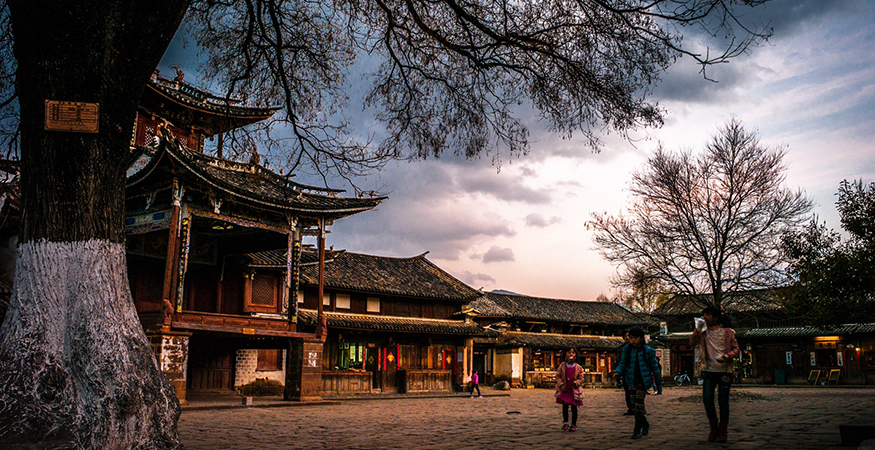
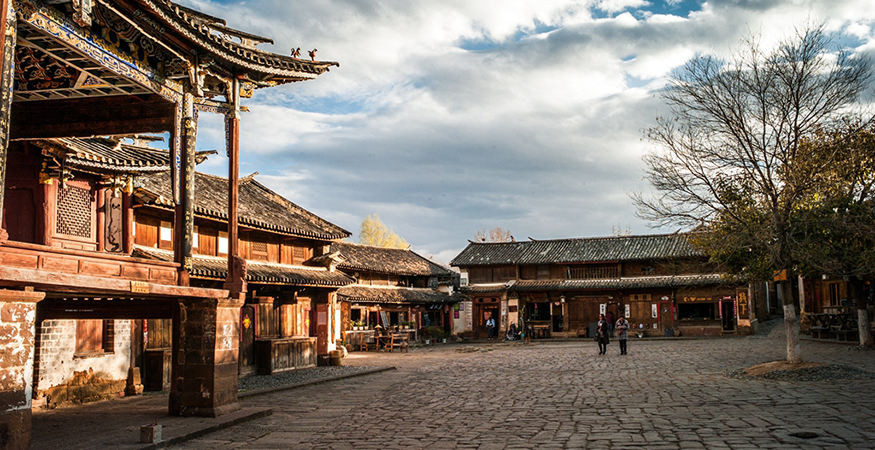
▪ Original Architectural Style: Shaxi Old Town is a true ancient town that remains the most original architectural style. The ancient temples, ancient stages, ancient stores and ancient alleys seem to bring travelers to the ancient time.
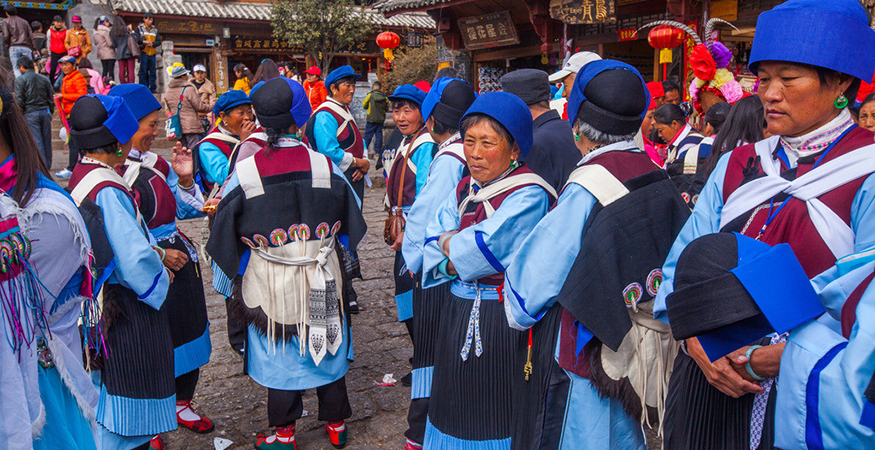
▪ Sideng Friday Market: The Sideng Friday market in Shaxi is one of Yunnan’s finest. On this day, minority peoples of the Yi and Bai come down from their mountain villages dressed in their finest attire. The market serves as both a meeting place for friends and family as well as a place to trade for goods hard to come by in the mountains.
Other Destinations in Dali
- Jianchuan County
- Binchuan County
- Xiangyun County
- Yunlong County
- Midu County
- Yangbi County
- Nanjian County
- Yongping County
- Eryuan County
- Heqing County
- Weishan County
- Shuanglang Town
- Xizhou Ancient Town
- Shaxi Ancient Town
- Nuodeng Ancient Town
- Dali City
- Dali Ancient Town
- Xiashankou
Shaxi Ancient Town Attractions
As an historic market town on the ancient teahorse road, Shaxi retains much of its traditional architecture and religious heritage. Hike or ride a horse to Shibaoshan, stroll through the quiet back lanes of Shaxi’s old town, experience a traditional music show at the Old Theatre Inn or hike to a remote mountain village, explore Shaxi Friday Market and Sideng Square, Check out the Tea Horse Road gallery at the Shaxi Visitor’s Centre. Although Shaxi is just a small town, it [...]
More Shaxi Ancient Town Attractions >>
Shaxi Ancient Town Tours
In Shaxi, tourism is burgeoning and flourishing. It is becoming another of these cosmopolitan travel destinations in rural China. Shaxi Tour packages is usually bond with some top tourist sites in Lijiang or Dali. We have designed some tour packages for you to choose from such as one day Shaxi Old Town tour or several days tour packages with Dali, Lijiang or other hot destinations of Yunnan Travel. Also, you can tailor-make your own private tour with our responsible and enthusiastic travel consultant. [...]
Climate & When to Go
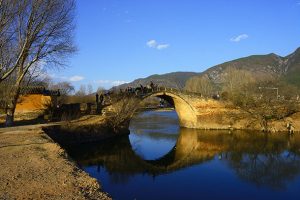 Climate & When to Go
 Shaxi enjoys a subtropical plateau monsoon climate with around 126 days in the year with temperatures around 18-21 ℃ (54-66 F) which is the most appropriate temperature for taking a break. In addition, it is abundant with sunshine throughout the year thanks to its high altitude. In other words, this is a year-round travel destination with colorful flowers blossoming everywhere. Here we introduce you the best time to visit Shaxi Jianchuan. Although the annual temperature difference is not great, daily fluctuations are significant in winter. There is no hot [...]
More Shaxi Ancient Town Climate & When to Go >>
Transportation
 Transportation
 There are no direct bus to Shaxi from Lijiang or Dali. To reach Shaxi, first take a long distance bus to Jianchuan (剑川) from either Lijiang or Dali (Xiaguan). The trip from Lijiang to Jianchuan now takes approximately 1 hour owing to the new freeway completed in 2013. The alternative way is to rent a car, which takes less than 2 hours from Lijiang and around 2 hours and a half from Dali. How to Get to Jianchuan County? From Old Town Dali: Take a bus to Xiaguan Bus [...]
More Shaxi Ancient Town Transportation >>
Festivals and Activities
There are many festivals in Shaxi Ancient Town, most of which are relative to Buddhism and Taoism, a unique religion in China. The main inhabitants are Bai, Yi, Lishu, Naxi and Han people. Bai ethnic groups take up the dominant part of the whole population. 1.Taizihui Taizihui is the biggest event and celebrated on the 8th day of the 2nd lunar month to commemorate the day that Sakyamuni become a monk. The festival lasts around half a month since Feb 1st and the activities are held in Sifang Street. Feb 8th is the most bustling day [...]
More Shaxi Ancient Town Festivals and Activities >>
Travel Tips
1.Useful Numbers Consumer Complaint:12315 Tourist Complaint:0872-2121246 Telephone Number Inquiry:114 Weather Forecast:121 Fire:119 Police:110 Ambulance:120 2.Banks Yunnan Rural Credit Cooperative Address: the Shaxi ATM is located on the upper section of the market street near the entrance to the meat sellers area. Postal Savings Bank of China Address: No.202, Sideng Road, Shaxi old town, Dali 3.Post Office Name: Post Office of Shaxi Old Town Tel: 0872-4721040 Address:Sideng Road, Shaxi Town, Jianchuan County, China 4.Hospital Name: Village Health Clinic Address:Shaxi Old Town 5.Transportation Concern Shaxi Ancient Town is located between Dali and Lijiang, so tourists will go there from Dali or Lijiang. Half a day is enough [...]
More Shaxi Ancient Town Travel Tips >>
Useful Maps
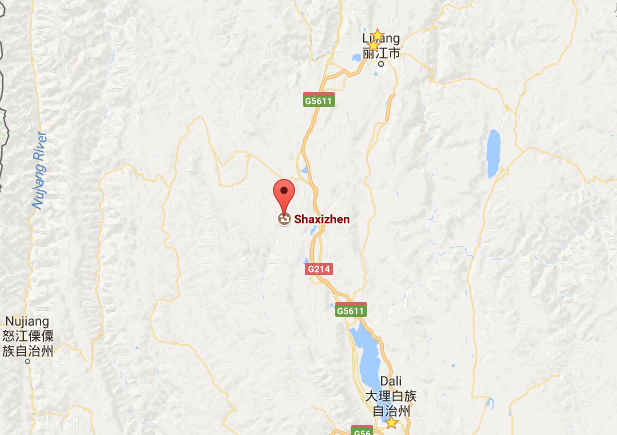
Shaxi Ancient Town is located in the south-west of Jianchuan County of Dali Bai Autonomous Prefecture in Yunnan Province. It is 139 kilometers (2 hours and 30 minutes’ drive) away from Dali and 107 kilometers away from Lijiang (2 hours' drive). Here are some maps of Shaxi for your reference such as the map of Shaxi location, the map of Shaxi transportation. [...]
More Shaxi Ancient Town Useful Maps >>
Shaxi Ancient Town Accommodation
As Shaxi is getting more and more popular, it’s said that it will be another Lijiang soon. Many good hotels and antique inns sit in the ancient town. Despite Shaxi Jianchuan hotels with the intricately carved construction, some enjoys its expansive views across the rice fields with bucolic rural location, sitting around a stone terrace with a cup of Yunnan coffee in a courtyard, watching the sun sink slowly behind Mountains. Most of the hotels are well-equipped, and tourists can sample the very best in Bai cuisine [...]
More Shaxi Ancient Town Accommodation >>
Other Hot Destinations in China
- Babao Town
- Baisha Ancient Town
- Baishuitai
- Baoshan Stone Town
- Bingzhongluo
- Dali Ancient Town
- Dashanbao
- Dongchuan Red Land
- Dulongjiang
- Feilaisi
- Haba Snow Mountain
- Heshun Ancient Town
- Honghe Hani Rice Terraces
- Jade Dragon Snow Mountain
- Jingmai
- Lashihai Lake
- Lijiang Ancient Town
- Lugu Lake
- Meili Snow Mountain
- Puzhehei
- Shuanglang Town
- Shuhe Ancient Town
- Stone Forest
- Three Parallel Rivers
- Tiger Leaping Gorge
- Yuanyang Hani Rice Terraces