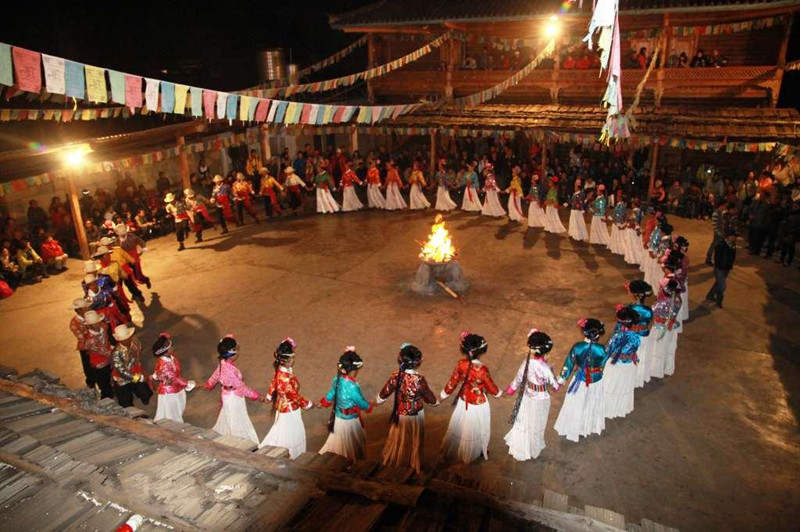
Lugu Lake (泸沽湖) is a beautiful highland lake on the border of Yunnan and Sichuan, famous for its clear water, mountain scenery and distinctive Mosuo culture. Visitors can explore traditional villages, cruise across the lake in wooden boats, photograph spectacular sunrises and discover the cultural heritage of local communities.
Plateau Lake Scenery
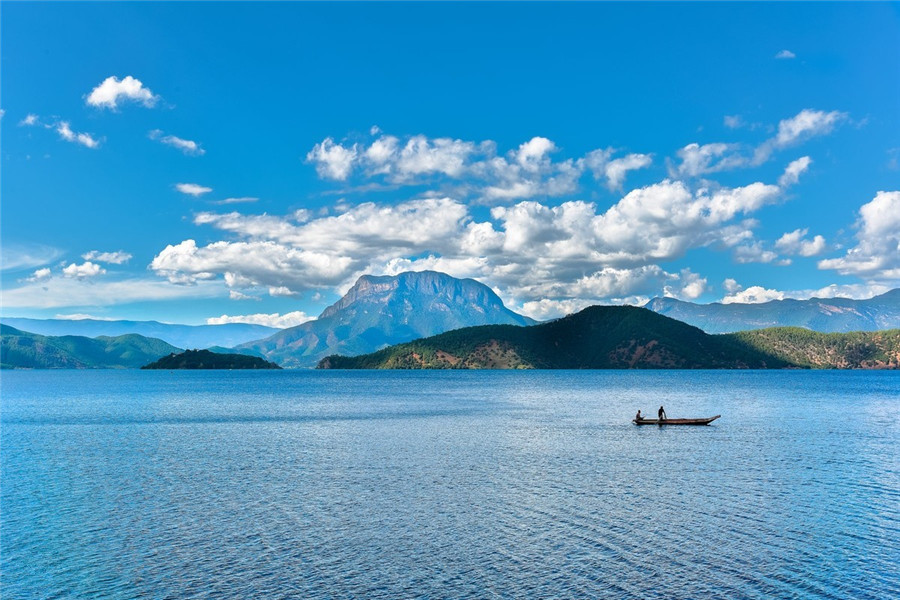
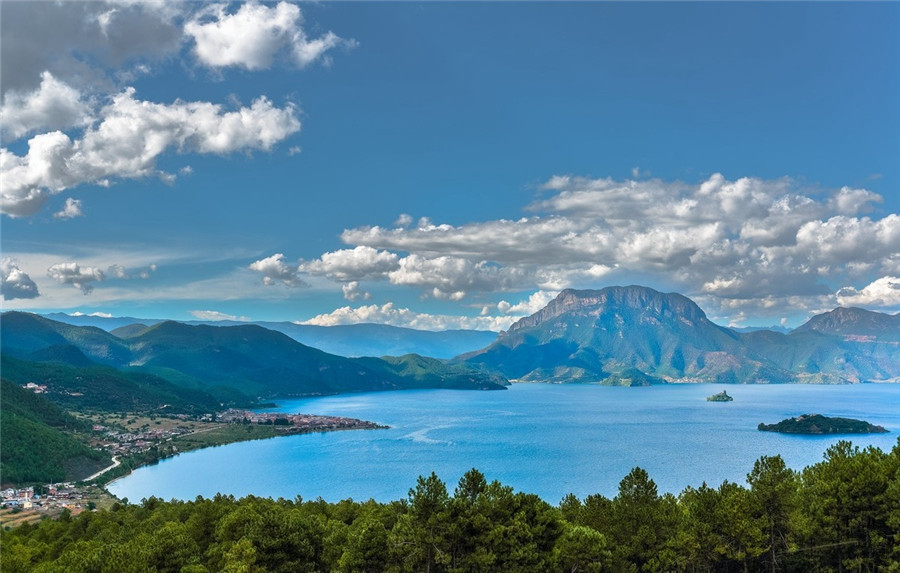
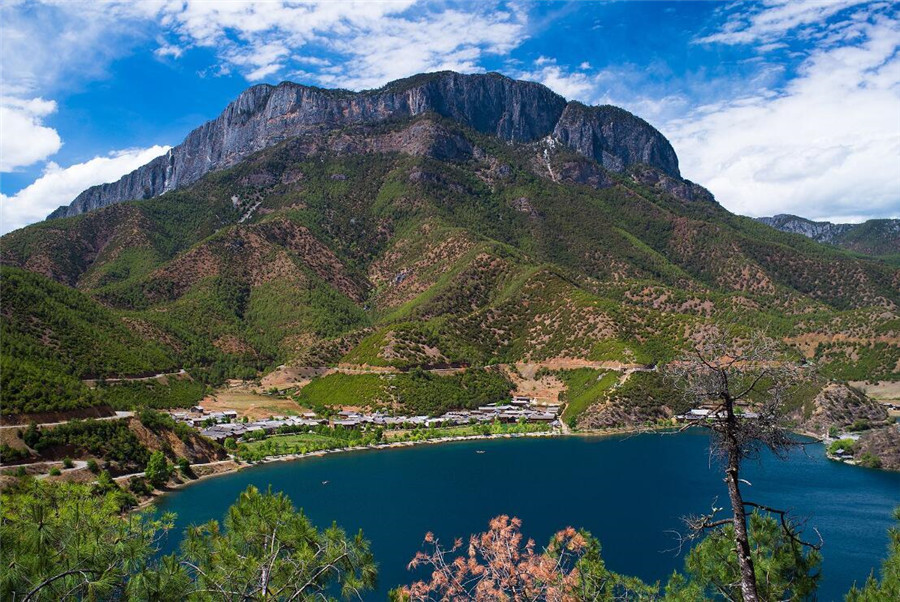
Located at an elevation of approximately 2,690 metres, Lugu Lake is surrounded by forested mountains, peaceful bays and small islands. Morning mist, clear reflections and colourful sunsets make it one of southwest China’s finest destinations for landscape photography.
Mosuo Culture
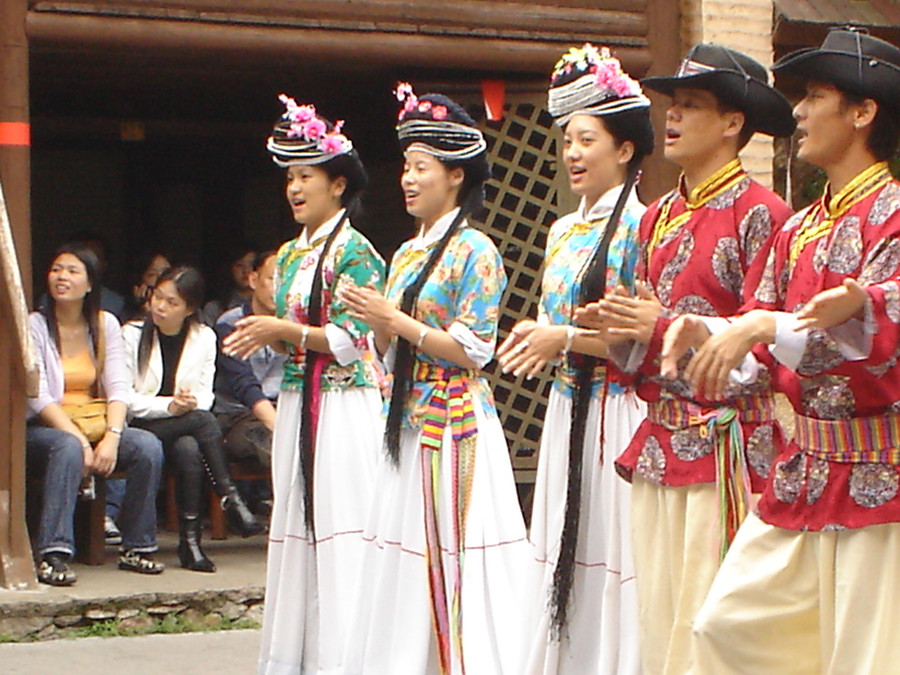
The lake region is one of the principal homelands of the Mosuo people (摩梭人), known for their matrilineal family traditions. Traditional wooden houses, folk songs, religious beliefs and village customs provide travellers with an introduction to local culture.
Lige Peninsula
Lige Peninsula (里格半岛) is among the lake’s most photographed locations. Its lakeside village, mountain backdrop and elevated viewpoint are especially attractive at sunrise.
Goddess Bay and Gemu Goddess Mountain
Goddess Bay (女神湾) is renowned for its tranquil atmosphere and sunset views overlooking Gemu Goddess Mountain (格姆女神山). The sacred mountain is an important symbol in Mosuo culture and a prominent landmark around the lake.
Caohai Wetland and Walking Marriage Bridge
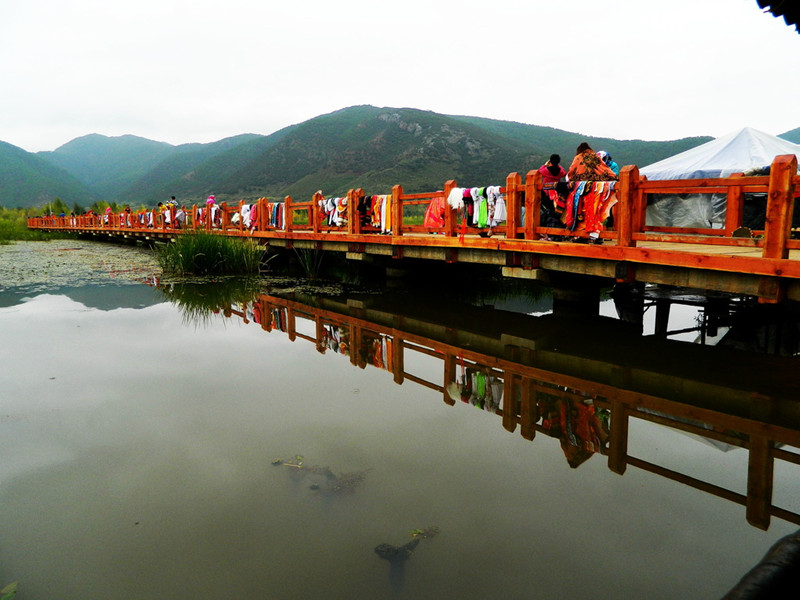
Caohai Wetland (草海) features reed beds, winding waterways and important habitats for migratory birds. The famous Walking Marriage Bridge (走婚桥) crosses the wetland and offers excellent views of the surrounding scenery.
Traditional Wooden Boat Trips
A ride aboard a traditional Pig-Trough Boat (猪槽船) is one of the signature Lugu Lake experiences. Boat trips may include quiet bays, wetland channels and Liwubi Island (里务比岛).
Lakeside Villages
Daluoshui Village (大落水村) is the lake’s main tourism centre, with convenient accommodation and dining facilities. Lige Village (里格村), Xiaoluoshui Village (小落水村) and Langfang Village (蒗放村) offer quieter surroundings and attractive lake views.
Cycling and Lake-Circuit Tours
The road around Lugu Lake connects its principal villages, viewpoints and wetlands. Travelling by private vehicle is the most comfortable option, while cycling is suitable for active visitors prepared for long distances, mountain slopes and high-altitude conditions.
Local Food
Regional cuisine combines Mosuo, Yi, Tibetan and Yunnan influences. Popular foods include preserved pork, grilled fish, free-range chicken, buckwheat cakes, potatoes, wild mushrooms and seasonal mountain vegetables.
Overview
Lugu Lake(泸沽湖) is a high-altitude freshwater lake spanning the border between Yunnan and Sichuan provinces in southwestern China. Celebrated for its clear water, mountain setting and living Mosuo culture, the lake occupies an important position within the Greater Shangri-La tourism region.
Read More
Attractions
Lugu Lake is a clear plateau freshwater lake shared by Ninglang Yi Autonomous County(宁蒗彝族自治县) in Yunnan Province(云南省) and Yanyuan County(盐源县) in Sichuan Province(四川省). Often called the “Pearl of the Plateau” and the “Kingdom of Women,” the lake is the ancestral homeland of Mosuo communities and one of the most important destinations for learning about Mosuo matrilineal society and living cultural traditions.
Read More
Tours
Lugu Lake travel packages usually begin from Lijiang and require at least two days. A classic two-day tour covers the main panoramic viewpoints, Lige Peninsula, Daluoshui Village, Caohai Wetland and the Walking Marriage Bridge. Travellers can also take a traditional wooden boat ride, enjoy sunset by the lake and learn about Mosuo family traditions with a local guide.
Read More
Climate
Lugu Lake (泸沽湖) is a high-altitude freshwater lake on the border between Ninglang Yi Autonomous County (宁蒗彝族自治县) in Yunnan and Yanyuan County (盐源县) in Sichuan. Surrounded by mountains and lying approximately 2,690 metres above sea level, the lake has a cool plateau climate, intense sunshine and considerable temperature differences between day and night.
Read More
Transportation
Lugu Lake (泸沽湖) straddles the border between Ninglang Yi Autonomous County (宁蒗彝族自治县) in Yunnan and Yanyuan County (盐源县) in Sichuan. There is no railway, high-speed rail station or metro serving the lakeside area, so visitors arrive by road or through the regional airport on the Yunnan side.
Read More
Festivals and Activities
Straddling Ninglang Yi Autonomous County (宁蒗彝族自治县) in Yunnan and Yanyuan County (盐源县) in Sichuan, Lugu Lake is home to Mosuo, Yi, Naxi, Tibetan and other ethnic communities. Its festival calendar reflects a distinctive combination of Mosuo family traditions, sacred-mountain and lake worship, Yi celebrations and Tibetan Buddhist ceremonies.
Read More
Travel Tips
Lugu Lake(泸沽湖) straddles the border between Yunnan and Sichuan provinces, with a circuit of approximately 70–76 kilometres. Its Yunnan shore has the largest concentration of accommodation and visitor services, while the Sichuan shore is noted for wetland scenery, quieter villages and a stronger rural atmosphere.
Read More
Maps
A practical Lugu Lake travel map should show the complete circular route and the boundary between Ninglang Yi Autonomous County (宁蒗彝族自治县) in Yunnan and Yanyuan County (盐源县) in Sichuan. It should also identify the main villages, viewpoints, wetlands, boat piers, accommodation areas and roads connecting the lake with Lijiang (丽江) and Xichang (西昌).
Read More
Accommodation
Lugu Lake (泸沽湖) lies across two provinces: the Yunnan shore belongs to Ninglang Yi Autonomous County (宁蒗彝族自治县) in Lijiang, while the Sichuan shore falls within Yanyuan County (盐源县) in Liangshan. Accommodation is scattered among lakeside villages rather than concentrated in a single resort district, so choosing the right location is just as important as choosing the hotel itself.
Read More
Dining
Straddling the border between Yunnan and Sichuan, Lugu Lake (泸沽湖) has a food culture shaped by Mosuo family traditions, highland agriculture and the changing seasons. Meals tend to be generous and warming, with preserved pork, local chicken, mushrooms, buckwheat, potatoes, red rice and home-brewed grain drinks appearing frequently on local tables.
Read More
Ethnic Culture
Lugu Lake (泸沽湖) is a highland lake shared by Yunnan and Sichuan provinces. Its western shore belongs to Yongning Town (永宁镇) in Ninglang Yi Autonomous County (宁蒗彝族自治县), Lijiang, while the eastern shore lies within Lugu Lake Town (泸沽湖镇) in Yanyuan County (盐源县), Liangshan. The lake is best known as one of the principal homelands of the Mosuo, a community noted for its matrilineal extended families, grandmother-centered households, Daba ritual traditions, timber dwellings and distinctive festivals.
Read More
Photos
The travel photo gallery of Lugu Lake (泸沽湖) captures a peaceful highland landscape of clear blue water, forested mountains, wetlands, islands and traditional lakeside villages. Sunrise mist, evening reflections and colourful wooden boats make the lake especially attractive to landscape photographers and travellers looking for a quieter side of Yunnan (云南).
Read More
Shopping
Shopping around Lugu Lake (泸沽湖) is closely connected with Mosuo village life, Yi craftsmanship, highland agriculture, and the cultural traditions shared by the communities on the Yunnan and Sichuan shores. The lake crosses Ninglang Yi Autonomous County (宁蒗彝族自治县) in Yunnan and Yanyuan County (盐源县) in Sichuan, so its shopping areas are distributed among lakeside villages, township markets, handicraft workshops, scenic-area stalls, and local farms.
Read More
Education
Lugu Lake(泸沽湖) is one of southwestern China’s most distinctive destinations for international education travel. Spanning the border between Yunnan and Sichuan, the region combines a high-altitude freshwater ecosystem, living Mosuo matrilineal culture, multiethnic rural communities and small-town education systems.
Read More
Administrative Divisions
Lugu Lake is a transprovincial highland lake administered jointly by Yunnan and Sichuan. The western and southwestern shores fall within the Lijiang administrative system, while the eastern and northeastern shores belong to Liangshan Yi Autonomous Prefecture. Although visitors experience the lake as one continuous destination, its villages, roads, piers, museums, schools, wetlands, cultural institutions, and tourism services are managed through two separate provincial systems.
Read More