Yunnan Guide
  • Yunnan Guide
  • Travel Tips
  • Tour Planing
  • Ethnic Culture
  • Yunnan Climate
  • Golf Courses
  • Travel Articles
  • Tiger Leaping Gorge - Niru Village Transportation: By Bus & Car-rental

    12/06/2018•Crazy Jone•10538 words•About 36 minutes

    Niru Village is a beautiful highland destination with a rich variety of ecosystems, including meadows, forests, lakes and alpine landscapes. It is located in the northeast of Shangri-La, about 75 kilometers from the city center. Both Tiger Leaping Gorge and Niru Village are excellent destinations for travelers who enjoy hiking and outdoor adventures.

    The most practical route from Tiger Leaping Gorge Town to Niru Village follows the Huxiang Highway, also known as the eastern Shangri-La route. The journey is approximately 200 kilometers and takes around 4 hours by car under normal road conditions. The main route is Tiger Leaping Gorge Town – Haba Village – Baishuitai – Luoji Township – Niru Village.

    Niru Village is located in Luoji Township, Shangri-La, at an altitude of around 2,700 meters. Visitors entering the village are required to complete real-name registration, and daily visitor numbers are controlled. Because there is no direct public transportation service to Niru, travelers should plan the final section of the journey in advance.

    Tiger Leaping Gorge to Niru Village Route at a Glance

    Transportation Approx. Distance Approx. Time Recommended?
    Public Bus + Local Transfer About 200 km Long and uncertain ★★☆☆☆
    Train + Road Transfer — Very long ★☆☆☆☆
    Private Car / Charter About 200 km Around 4 hours ★★★★★
    Motorcycle About 200 km 5–6 hours ★★★★☆
    Bicycle About 200 km 2–3 days recommended ★★★☆☆

    By Bus

    There is no direct bus from Tiger Leaping Gorge to Niru Village. Travelers need to make several transfers, and public transportation becomes increasingly limited as they approach Niru.

    From Middle Tiger Gorge

    From Middle Tiger Gorge, there is traditionally one daily bus departing from Tina's Guest House at around 15:00 for Shangri-La.

    After arriving in Shangri-La, travelers need to continue to Luoji Township. Public transportation between Shangri-La and Luoji is limited, so the connection may require waiting until the following day. From Luoji Township, there is no regular passenger bus directly into Niru Village. Travelers normally need to arrange a local private car or shared vehicle for the approximately 30-kilometer mountain road to Niru.

    For backpackers and independent hikers, arranging the final transfer with a guesthouse in Niru in advance is generally much more practical than relying entirely on same-day public transportation.

    From Upper Tiger Gorge

    From Upper Tiger Gorge, travelers can take a bus from Lijiang toward Shangri-La and then arrange transportation onward to Niru Village.

    The traditional Lijiang–Shangri-La bus connections include the following departures:

    Departure Station Arrival Station Departure Time
    Lijiang Bus Terminal (丽江客运站) Shangri-La Bus Terminal 07:30, 08:10, 08:50, 09:30, 10:00, 10:40, 11:00, 11:30, 12:00, 12:30, 13:00, 13:30, 14:00, 14:30, 15:00, 15:30, 16:00, 16:30, 17:10
    Shuhe Ancient Town (束河古镇) Dukezong Ancient Town 08:00
    North Gate of Lijiang Ancient Town Dukezong Ancient Town 08:15
    South Gate of Lijiang Ancient Town Dukezong Ancient Town 08:25

    Because bus schedules can change, travelers should confirm the latest departure information locally before starting the journey.

    From Tiger Leaping Gorge Town

    At Tiger Leaping Gorge Town, travelers can find buses heading toward Shangri-La. Another option is to take a Lijiang–Shangri-La bus and then transfer in Shangri-La.

    From Shangri-La, travelers continue toward Luoji Township and arrange a local vehicle for the final section to Niru Village.

    From Baishuitai

    Baishuitai can also be used as an intermediate point.

    There is traditionally a daily bus between Tiger Leaping Gorge and Baishuitai, departing at around 12:00. Tickets can be purchased at Tina's Guest House or Tibet Guest House. From Baishuitai, travelers can continue toward Shangri-La and get off near Pudacuo National Park.

    From Pudacuo, travelers can either arrange a local vehicle or take the hiking route toward Niru Village. The Pudacuo–Niru route is a popular option for experienced hikers, although it requires proper preparation and should not be treated as an ordinary sightseeing walk.

    By Train

    There is no direct train to Niru Village, and taking the train is not an efficient way to travel from Tiger Leaping Gorge.

    Travelers would first need to reach Shangri-La Railway Station and then continue by road toward Luoji Township and Niru Village. The number of transfers makes the journey considerably longer than traveling by private vehicle.

    For travelers whose main destination is Niru Village, the train is therefore not recommended.

    By Private Car or Charter

    A private vehicle is the most convenient and flexible option for traveling from Tiger Leaping Gorge to Niru Village.

    The main route is:

    Tiger Leaping Gorge Town → Haba Village → Baishuitai → Luoji Township → Niru Village

    The total distance is approximately 200 kilometers, with around 4 hours of driving in normal conditions. The actual travel time can be longer depending on weather, road conditions, traffic and stops.

    The section between Tiger Leaping Gorge and Luoji Township is mainly on a paved mountain tourism road. After Luoji Township, however, the road becomes considerably rougher. The final section toward Niru includes narrow mountain roads, sharp bends and gravel surfaces, with potholes and occasional falling rocks.

    An SUV or four-wheel-drive vehicle is preferable for the final section. Ordinary sedans may have difficulty on rough sections and have a higher risk of scraping the underbody, especially during the rainy season.

    For foreign travelers, hiring an experienced local driver together with a guide is recommended. A private vehicle also allows travelers to stop at Haba Village, Baishuitai and other viewpoints along the route.

    Yunnan Exploration Travel can provide private car and charter services for this route.

    Email: [email protected]
    Tel / WhatsApp: +86-18064845137

    By Motorcycle

    Motorcycle travel follows essentially the same route as private vehicles:

    Tiger Leaping Gorge Town → Haba Village → Baishuitai → Luoji Township → Niru Village

    The total distance is approximately 200 kilometers, and the journey usually takes around 5–6 hours depending on riding conditions and stops.

    The first part of the route is mainly paved, while the road from Luoji Township toward Niru becomes a rough mountain gravel road. Riders should expect potholes, loose stones, narrow sections, sharp bends and possible falling rocks.

    Motorcycle travelers should wear a helmet and full protective equipment throughout the journey. The high-altitude environment can also become cold quickly, so windproof and warm clothing is essential.

    Reduce speed significantly on gravel sections and be especially careful when meeting vehicles on blind bends. Fuel should be filled before leaving Luoji Township, as there are very limited opportunities for refueling farther into the mountains.

    Motorcycle travel is not recommended during periods of heavy rain, when landslides, falling rocks and slippery gravel roads can make the final section particularly dangerous.

    By Bicycle

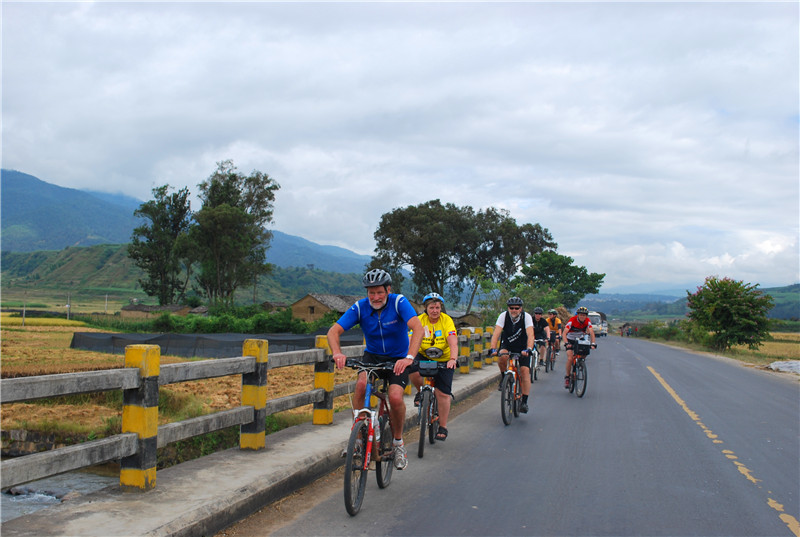
    Cycling from Tiger Leaping Gorge to Niru Village is possible but is a very demanding high-altitude cycling route.

    The total distance is around 200 kilometers, with substantial climbing and difficult mountain terrain. Rather than attempting the route in one day, experienced cyclists should allow 2–3 days and prepare for overnight stays along the way.

    The road from Tiger Leaping Gorge toward Baishuitai is mainly paved mountain road. After Luoji Township, cyclists enter rougher gravel terrain, making the final section considerably more difficult.

    Supplies become increasingly limited as the route approaches Niru. Luoji Township is therefore an important place to stock up on food, water and other essentials before entering the more remote mountain area.

    Cyclists should carry spare inner tubes, tire repair equipment, basic tools and sufficient food and water. Mobile phone coverage can be weak or unavailable in many sections.

    Large vehicles may appear on mountain roads, while blind bends can make passing difficult. Weather can also change rapidly at high altitude, so rain gear, warm clothing and emergency supplies are essential.

    Important Travel Tips for Niru Village

    Entry Registration and Visitor Limits

    Entry to Niru Village is free, but visitors are required to complete real-name registration. Daily visitor numbers are limited, so travelers should contact their accommodation in Niru in advance and ask the guesthouse to assist with registration and entry arrangements.

    Mobile phone coverage inside the village and surrounding mountains can be weak. Download offline maps before departure and carry enough cash and basic supplies.

    Road Conditions and Rainy Season

    The rainy season, generally from June to September, can bring landslides, falling rocks and road damage, particularly on the Luoji–Niru mountain road.

    Before departure, check local road conditions and weather information. If there is heavy rain or a severe weather warning, do not force the journey into the mountains.

    Altitude and Acclimatization

    Niru Village is located at around 2,700 meters above sea level, and the route gradually gains altitude from Tiger Leaping Gorge.

    Travelers who are not accustomed to high-altitude environments should avoid strenuous activity immediately after arrival. Allow time to rest and pay attention to how your body feels before beginning long hikes.

    Hiking and Local Guides

    Niru is known for its relatively untouched landscapes, including Seven-Color Waterfall and Nanbao Pasture. Some hiking routes extend deep into remote mountain areas.

    For longer or less familiar routes, hiring a local guide is strongly recommended. Travelers should respect local Tibetan customs, avoid disturbing local communities and natural areas, and carry all rubbish out with them.

    Chartering a Vehicle for Groups

    For families or groups traveling together, a private charter is usually the most practical solution. It avoids multiple public-transport transfers and allows the group to adjust the schedule according to weather and road conditions.

    The journey can also be combined with stops at Haba Village and Baishuitai, making the transfer itself part of the travel experience rather than simply transportation between two destinations.

    Which Transportation Option Is Best?

    For most international travelers, private car or chartered vehicle is the most convenient way to travel from Tiger Leaping Gorge to Niru Village. The route is relatively remote, public transportation is limited, and the final mountain section requires a vehicle suitable for rough road conditions.

    Independent backpackers can use public transportation and arrange a local vehicle from Luoji Township, but this requires more time and flexibility. Motorcycle travelers can enjoy a more adventurous journey, while cyclists should treat the route as a serious multi-day mountain cycling challenge.

    If you are planning to hike in Niru after arriving, arranging the transportation and accommodation before leaving Tiger Leaping Gorge is particularly important.

    Recommended Routes from Different Starting Points

    Starting Point Recommended Route
    Middle Tiger Gorge Middle Tiger Gorge → Shangri-La → Luoji Township → Niru Village
    Upper Tiger Gorge Upper Tiger Gorge → Shangri-La → Luoji Township → Niru Village
    Tiger Leaping Gorge Town Tiger Leaping Gorge Town → Haba Village → Baishuitai → Luoji Township → Niru Village
    Baishuitai Baishuitai → Luoji Township → Niru Village
    Pudacuo Pudacuo → Niru Village by vehicle or hiking route

    Tiger Leaping Gorge to Niru Village Travel Route

    The most direct overland route from Tiger Leaping Gorge Town to Niru Village is Tiger Leaping Gorge Town → Haba Village → Baishuitai → Luoji Township → Niru Village, covering approximately 200 kilometers.

    For travelers prioritizing convenience, a private vehicle with an experienced local driver is the best choice. Travelers seeking a more independent adventure can combine buses, local transfers, motorcycles or bicycles, but the remote mountain roads and limited public transportation require considerably more preparation.

    For hikers, Niru Village is particularly attractive because the destination itself is not simply a transfer point. The surrounding forests, alpine meadows, lakes and mountain trails provide opportunities for multi-day hiking and deeper exploration of the Shangri-La highlands.

    ENQUIRY

    Have a question before booking? Message us to learn more.
    Click to change
    Expand All
    1. What is the most practical way to reach Niru Village from Tiger Leaping Gorge?

    A private car or charter is the most convenient and flexible option, covering about 200 kilometers in roughly 4 hours under normal road conditions. It follows the route Tiger Leaping Gorge Town to Haba Village to Baishuitai to Luoji Township to Niru Village, and lets you stop at Haba Village, Baishuitai and viewpoints. Hiring an experienced local driver together with a guide is recommended for foreign travelers.

    3. Is there a direct bus to Niru Village?

    No, there is no direct bus from Tiger Leaping Gorge to Niru Village. From Middle Tiger Gorge, one daily bus normally departs Tina's Guest House at about 15:00 for Shangri-La, then you need limited connections to Luoji Township and a local vehicle for the final roughly 30-kilometer mountain road. Arranging the final transfer with a Niru guesthouse in advance is more practical.

    5. Which route does a private car or charter take?

    A private car or charter follows the main route from Tiger Leaping Gorge Town to Haba Village to Baishuitai to Luoji Township to Niru Village. The total distance is about 200 kilometers. The section from Tiger Leaping Gorge to Luoji is mainly paved mountain tourism road, but after Luoji the road becomes much rougher as you climb toward the village.

    7. Do I need a reservation or registration to enter Niru Village?

    Entry to Niru Village is free, but visitors must complete real-name registration and daily visitor numbers are controlled. Travelers should contact their accommodation in Niru in advance and ask the guesthouse to assist with registration and entry arrangements. This is especially important because public transport and visitor capacity are limited.

    9. How hard is cycling from Tiger Leaping Gorge to Niru Village?

    Cycling from Tiger Leaping Gorge to Niru Village is a very demanding high-altitude route of about 200 kilometers with substantial climbing. Experienced cyclists should allow 2 to 3 days, not one day. After Luoji Township the gravel terrain becomes much rougher, supplies are scarce, and phone coverage can be weak, so stock up on food, water and spare tubes in Luoji.

    2. How long does it take to drive from Tiger Leaping Gorge to Niru Village?

    The journey is approximately 200 kilometers and takes around 4 hours by car in normal conditions, though weather, road conditions, traffic and stops can lengthen it. By motorcycle it usually takes 5 to 6 hours. Experienced cyclists should plan 2 to 3 days because of the climbing and rough mountain terrain.

    4. Can I use the train to get from Tiger Leaping Gorge to Niru Village?

    No direct train serves Niru Village, and the train is not an efficient choice from Tiger Leaping Gorge. You would first have to reach Shangri-La Railway Station, then continue by road to Luoji Township and Niru Village. The number of transfers makes this considerably longer than a private vehicle, so it is not recommended for travelers whose main destination is Niru.

    6. How rough is the road after Luoji Township?

    After Luoji Township, the road becomes considerably rougher, with narrow mountain sections, sharp bends, gravel surfaces, potholes and occasional falling rocks. An SUV or four-wheel-drive vehicle is preferable. Ordinary sedans may have difficulty and risk scraping the underbody, especially during the rainy season.

    8. Is motorcycle travel a good option for this route?

    Motorcycle travel is possible but demanding and best for experienced riders. The 200-kilometer journey usually takes 5 to 6 hours, with paved roads until Luoji Township and then rough gravel mountain road with potholes, loose stones and sharp bends. Wear full protective gear and windproof warm clothing, refuel before Luoji, reduce speed on gravel, and avoid heavy rain because of landslide and falling-rock risk.

    10. What altitude and weather factors should I prepare for?

    Niru Village sits at about 2,700 meters above sea level, and the route gradually gains altitude from Tiger Leaping Gorge. Avoid strenuous activity immediately after arrival and allow time to rest before hiking. The rainy season from June to September can bring landslides, falling rocks and road damage, so check conditions and avoid forcing the journey in heavy rain. Download offline maps and carry cash because mobile coverage can be weak.

    Related Categories