
 7 Days GolfingTour
 8 Days Group Tour
 8 Days Yunnan Tour
 7 Days Shangri La Hiking
 11 Days Yunnan Tour
 6 Days Yuanyang Terraces
 11 Days Yunnan Tour
 8 Days South Yunnan
 7 Days Tea Tour
 8 Days Muslim Tour
 12 Days Self-Driving
 4 Days Haba Climbing
 Tiger Leaping Gorge
 Stone Forest
 Yunnan-Tibet
 Hani Rice Terraces
 Kunming
 Lijiang
 Shangri-la
 Dali
Dali
 XishuangBanna
 Honghe
 Kunming
 Lijiang
 Shangri-la
 Yuanyang Rice Terraces
 Nujiang
 XishuangBanna
 Spring City Golf
 Snow Mountain Golf
 Stone Mountain Golf








Chuwa Festival and Ganduo Festival of Dai Ethnic Minority in Dehong
The Introduction of Chuwa Festival and Ganduo Festival
- Chinese Name:傣族出洼节和干朵节
- English Name: Chuwa Festival and Ganduo Festival of Dai Ethnic Minority
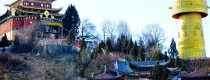
The “Chuwagan Duo Festival,” a religious holiday of the Dai people, takes place in Mangshi, located in the Dehong Dai and Jingpo Autonomous Prefecture along the China-Myanmar border. Dai people dress in traditional attire and engage in Buddhist rituals under the largest hollow stupa in Asia.
An important aspect of the “Chuwagan Duo Festival” is the worship of the Buddha and listening to teachings from the Great Buddha in the temple. On this day, the area in front of the Menghuan Golden Stupa is flooded with people. Dai families from nearby villages arrive in waves, bringing flowers, fruits, rice, and other offerings, striking the large gongs, and dancing the Ga Yang dance.
This is just the beginning. In addition to the Buddhist activities, performances such as Ga Yang and Ga Guang, Dai boxing, elephant foot drum competitions, and stick martial arts display, as well as various ethnic folk art performances, excite the attendees. During the “Chuwagan Duo Festival,” every Dai person dresses in festive attire, offering the highest tributes and sincere hearts to the Buddha, sincerely repenting for any wrongs committed during the “Chuwagan” period or before, aiming to purify their souls through this act.
The Dai people’s “Chuwagan” is essentially the amalgamation of the summer retreat of Buddhist monks with Dai traditional culture.
Like ancient India, the regions inhabited by the Dai are rice-growing agricultural societies. As Buddhism spread from India to the Dai areas, many customs from ancient India were easily assimilated into Dai culture. Although the summer retreat is a season for Buddhist monks’ cultivation, the Dai people, who wholeheartedly embrace Buddhism, have fully integrated it into their lives. During the “summer retreat,” monks concentrate on their practices while the community focuses on agricultural production, forming a tacit understanding and a customary practice in Dai society. At the onset of summer, the Dai hold a grand ritual to welcome summer (known as “Ruwu”), and at the end of summer, they also hold a grand farewell ceremony (known as “Chuwu”).
The Dai’s “Ruwu” typically occurs on the 15th day of the 9th month in the Dai lunar calendar (mid-June in the lunar calendar), where the local monks gather at temples to chant sutras, while the devotees prepare food, flowers, and paper currency to present at the temple. This marks the commencement of a three-month period of “retreat” and “harvest.” During this time, monks are prohibited from going out to preach, devotees are restricted from traveling, courtship and marriage are not allowed, and large celebratory activities are banned. Monks need to focus on learning, while the community concentrates on agricultural production.
“Chuwu” generally takes place on the 15th day of the 12th month in the Dai lunar calendar (mid-September in the lunar calendar), symbolizing the end of the three-month period of “retreat” and “harvest,” lifting all prohibitions that have been in place since “Ruwu.” On this day, the Dai community dresses in festive attire and brings food, flowers, preserved meat, coins, and other offerings to the temple to worship the Buddha and listen to teachings, as they engage in grand celebratory activities, parading through the villages with lanterns shaped like birds, beasts, fish, and insects, igniting fireworks, lighting sky lanterns, and dancing the elephant foot drum dance among other entertainment activities.
The “Chuwu” celebrations generally last for three days, followed by the “Gandu Festival.” “Gandu” primarily means repentance. During the three-month “Ruwu” period, everyone inevitably commits acts that violate Buddhist precepts, and they seek forgiveness and atonement from the Buddha. Additionally, “Gandu” carries the meaning of celebrating the harvest, as the period after “Chuwu” marks the harvest season.
The Local Activities of Chuwa Festival
- Ceremonial Offerings: The festival begins with celebrations at local temples, where Dai people bring various offerings such as flowers, fruits, food, and ceremonial paper money to honor the Buddha and the monks.
- Buddhist Worship: Attendees participate in rituals that include chanting, praying, and listening to teachings from monks. This is a vital aspect of the festival, emphasizing the importance of spirituality.
- Cultural Performances: The festival features traditional performances that entertain and engage the community. This includes:
- Ga Yang and Ga Guang Performances: These are traditional dances that reflect Dai culture.
- Dai Boxing: A form of martial arts that highlights physical skill and cultural heritage.
- Elephant Foot Drum Dance: A lively dance that incorporates drumming and rhythmic movements, celebrating tradition and community spirit.
- Parades with Lanterns: Participants often carry lanterns shaped like various animals and natural elements, symbolizing prosperity and good fortune as they parade through the villages.
- Fireworks and Celebrations: The event is filled with joy, involving fireworks, lighting sky lanterns, and community feasts, creating a festive atmosphere of celebration and togetherness.
- Community Feasting: After religious ceremonies, families come together for communal meals, showcasing local dishes and fostering a sense of unity and festivity.
The Local Activities of Ganduo Festival
Following the Chuwa Festival, the Ganduo Festival focuses more on repentance and gratitude related to the agricultural harvest:
- Repentance Rituals: The core activity of Ganduo is for individuals to seek forgiveness for any misdeeds committed over the previous months. During this time, people sincerely repent for any actions that may have violated Buddhist precepts.
- Thanksgiving Offerings: Participants express gratitude for the harvest and pray for future prosperity. This may include offering newly harvested rice and other food items to the Buddha.
- Cultural Festivities: Similar to Chuwa, the Ganduo Festival includes vibrant performances, dancing, and various artistic expressions that celebrate Dai culture and community spirit.
- Community Gatherings: Families and villagers come together to enjoy traditional foods and participate in games and activities, fostering social bonds and communal joy.
- Harvest Celebrations: As the agricultural season concludes, the festival serves as a time to celebrate the successes of the harvest, featuring feasts that highlight seasonal produce.
- Traditional Games and Competitions: During the Ganduo Festival, local games and competitions might be organized, showcasing the community’s talents and providing entertainment for both children and adults.


