Shuhe Ancient Town (束河古镇) is a peaceful historic settlement near Lijiang and an important stop on the Ancient Tea Horse Road. With stone-paved lanes, traditional Naxi courtyards, clear streams and views towards Jade Dragon Snow Mountain, Shuhe offers a quieter alternative to Lijiang Old Town.
Ancient Tea Horse Road Heritage
Shuhe was once a trading station where horse caravans rested before continuing towards Tibet. Historic streets, old shops and traditional courtyards preserve the town’s connection with the Ancient Tea Horse Road (茶马古道).
Shuhe Sifang Street
Shuhe Sifang Street (束河四方街) forms the traditional centre of the town. Smaller and quieter than its counterpart in Lijiang Old Town, it is surrounded by old houses, handicraft shops, cafés and local restaurants.
Qinglong Bridge
Built during the Ming dynasty, Qinglong Bridge (青龙桥) is one of Shuhe’s best-known historic landmarks. Its weathered stone surface and waterside setting reflect the town’s long history as a caravan settlement.
Jiuding Longtan Pool
Jiuding Longtan Pool (九鼎龙潭) is a clear spring-fed pool surrounded by trees and traditional buildings. Its water flows through Shuhe’s network of canals, adding a tranquil character to the old streets.
Tea Horse Road Museum
The Ancient Tea Horse Road Museum (茶马古道博物馆) introduces the development of caravan trade and cultural exchange across southwest China. Its exhibits help visitors understand Shuhe’s importance within this historic trading network.
Naxi Culture and Traditional Architecture
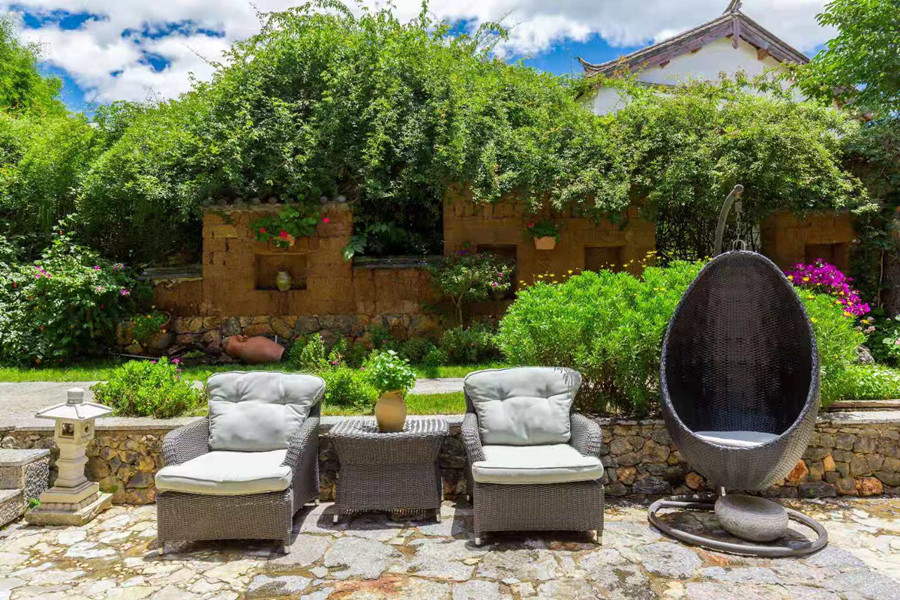
Shuhe is a traditional centre of Naxi culture (纳西文化), reflected in its wooden courtyard houses, music, customs and handicrafts. Some quieter residential lanes still preserve the atmosphere of a living Naxi community.
Mountain Views and Countryside
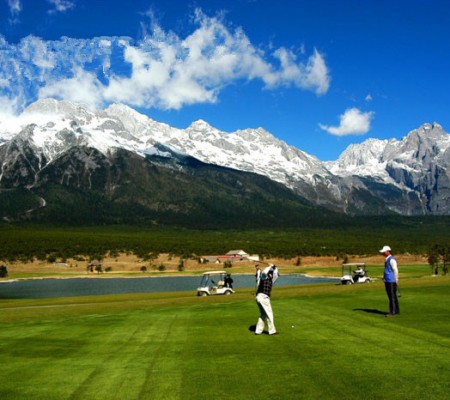
The northern and western edges of Shuhe provide attractive views of Jade Dragon Snow Mountain (玉龙雪山). Visitors can also explore nearby farmland, villages and countryside paths by walking, cycling or horseback riding.
Cafés, Handicrafts and Local Food
Shuhe contains boutique cafés, craft studios and family-run restaurants housed inside traditional courtyards. Travellers can browse handmade leather goods, textiles and silverwork while sampling Naxi dishes and regional Yunnan cuisine.
Relaxed Evening Atmosphere
After sunset, lanterns illuminate the streams, bridges and old lanes. Although Shuhe has restaurants and live-music venues, its evenings are generally calmer than those of Lijiang Old Town, making it suitable for a relaxed overnight stay.
Overview
Shuhe Old Town(束河古镇) is a historic Naxi settlement in Lijiang, Yunnan Province. Administratively, it belongs to Shuhe Subdistrict(束河街道) of Gucheng District(古城区), with its heritage core located mainly within Longquan Community.
Read More
Attractions
Shuhe Ancient Town (束河古镇) lies northwest of central Lijiang at the foot of Jade Dragon Snow Mountain. Once an important caravan station on the Tea Horse Road, it is now part of the UNESCO World Heritage property “Old Town of Lijiang” and is recognized as a national AAAA-rated tourist attraction.
Read More

Tours
Lijiang Gucheng District travel packages range from short walking tours to multi-day cultural holidays. A half-day or one-day programme can cover Lijiang Old Town, Mu’s Residence, Lion Hill and Black Dragon Pool Park, while a two-day stay allows travellers to visit Shuhe Ancient Town, explore quieter residential lanes and enjoy local Naxi music, handicrafts and cuisine at a relaxed pace.
Read More
Climate
Shuhe Ancient Town(束河古镇)is located in the northwestern part of the Lijiang Basin in Yunnan Province, at an elevation of approximately 2,440 meters. The town lies near the foothills of the Jubao Mountain(聚宝山), part of the broader mountain system connected with Yulong Snow Mountain(玉龙雪山). The surrounding landscape combines mountains, an open basin, streams and historic agricultural areas.
Read More
Transportation
Shuhe Ancient Town is an important part of the UNESCO World Heritage-listed Old Town of Lijiang and is located in Shuhe Subdistrict of Lijiang. The historic town is about 6–7 km from Dayan Ancient Town (大研古城). Its traditional stone-paved lanes are designed primarily for pedestrians, so visitors arriving by car, motorcycle, or e-bike need to leave their vehicles at designated parking areas outside the main historic streets.
Read More
Festivals and Activities
Shuhe Ancient Town is an important component of the UNESCO-listed Old Town of Lijiang and a historic caravan station on the Ancient Tea Horse Road. Its resident culture is predominantly Naxi, with long-standing Tibetan, Bai, Han and other ethnic influences created through trade, migration and cultural exchange.
Read More
Travel Tips
Shuhe Ancient Town is one of the most rewarding places to experience the quieter side of Lijiang. Once an important post station along the ancient Tea Horse Road, the town retains historic waterways, stone lanes, traditional Naxi residences and a strong sense of everyday community life. Compared with the busier Dayan Ancient Town, Shuhe generally offers a slower pace, fewer large-scale commercial streets and more opportunities for visitors to explore at their own rhythm.
Read More
Maps
Lijiang Gucheng District travel maps help visitors understand the relationship between the old-town walking areas, modern urban districts and surrounding cultural attractions. A practical map should identify the entrances to Lijiang Old Town, major pedestrian streets, public squares, museums, transport stations, accommodation areas and routes leading toward Shuhe Ancient Town and Jade Dragon Snow Mountain.
Read More
Accommodation
Shuhe Ancient Town (束河古镇) is one of the most attractive places to stay in Lijiang for travelers who prefer a quieter atmosphere, traditional architecture, mountain scenery, and a slower pace of travel. Located in Shuhe Subdistrict of Lijiang's Gucheng District, the town forms an important part of Lijiang Ancient City (丽江古城), a UNESCO World Heritage cultural area.
Read More
Dining
Shuhe Ancient Town is one of the historic Naxi settlements along the ancient Tea Horse Road in Lijiang. Its food culture developed alongside the town's waterways, traditional courtyards, farming communities, caravan routes and long-standing ethnic traditions. Today, Shuhe Ancient Town food ranges from traditional Naxi dishes and Yunnan home cooking to fire-pit meals, seasonal wild mushrooms, freshwater fish, snacks, cafés, Tibetan-style cuisine and Hui Muslim halal food.
Read More
Ethnic Culture
Shuhe Ancient Town(束河古镇)is part of Shuhe Subdistrict in Lijiang Old Town District and forms an important component of the Old Town of Lijiang World Heritage area. Known in the Naxi language as “Shaowu,” traditionally associated with a village beneath the peaks, Shuhe developed as one of the early Naxi settlements on the Lijiang Plain and later became an important stopping point along the Ancient Tea Horse Road.
Read More
Photos
The travel photo gallery of Lijiang Gucheng District (丽江古城区) captures one of Yunnan’s most photogenic destinations, combining historic streets, traditional Naxi architecture, canals, gardens and distant snow-mountain views. Around Lijiang Old Town (丽江古城), tiled rooftops, stone lanes, wooden houses and flowing waterways create memorable scenes from sunrise until late evening.
Read More
Shopping
Shuhe Ancient Town (束河古镇) is a historic Naxi settlement on the ancient Tea Horse Road and one of the three component areas of the UNESCO-listed Old Town of Lijiang. Once known for leatherworking, horse equipment and regional trade, Shuhe retains a strong connection to caravan culture and traditional craftsmanship.
Read More
Education
Shuhe Ancient Town is an important historic area of Lijiang and part of the UNESCO World Heritage property of Lijiang Old Town. Located within Shuhe Subdistrict of Gucheng District, the wider area includes the historic town, Longquan Community, Kaiwen Community, Puji Village and Ciman Village.
Read More
Administrative Divisions
Shuhe Ancient Town (束河古镇) is located within Shuhe Subdistrict, Gucheng District, Lijiang City, Yunnan Province. Administratively, Shuhe is a subdistrict rather than a separate town or township. Its tourism area is closely associated with the historic settlement and surrounding residential, agricultural, and mountain communities.
Read More