7 Days GolfingTour
 8 Days Group Tour
 8 Days Yunnan Tour
 7 Days Shangri La Hiking
 11 Days Yunnan Tour
 6 Days Yuanyang Terraces
 11 Days Yunnan Tour
 8 Days South Yunnan
 7 Days Tea Tour
 8 Days Muslim Tour
 12 Days Self-Driving
 4 Days Haba Climbing
 Tiger Leaping Gorge
 Stone Forest
 Yunnan-Tibet
 Hani Rice Terraces
 Kunming
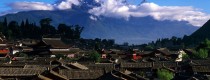 Lijiang
 Shangri-la
 Dali
Dali
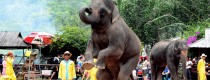 XishuangBanna
 Honghe
 Kunming
 Lijiang
 Shangri-la
 Yuanyang Rice Terraces
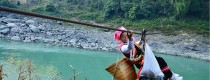 Nujiang
 XishuangBanna
 Spring City Golf
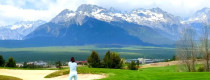 Snow Mountain Golf
 Stone Mountain Golf



Five Tips for Travelling in Yunnan from Experts
Here are detailed suggestions with headings for alleviating high altitude sickness in Yunnan:
1. Gradual Acclimatization
How to Approach It:
- Ascend Slowly: Plan your itinerary to gradually ascend in altitude, allowing your body time to adjust.
- Day-by-Day Increase: Spend a day or two at intermediate altitudes before reaching higher elevations.
Why It Helps:
- Reduced Symptoms: Gradual acclimatization helps mitigate symptoms like headache, nausea, and fatigue.
- Improved Adaptation: Allows your body to produce more red blood cells and adapt to lower oxygen levels.
2. Stay Hydrated
How to Ensure Proper Hydration:
- Drink Plenty of Water: Consume fluids regularly to maintain hydration levels.
- Avoid Excessive Caffeine: Limit beverages that can contribute to dehydration.
Why It’s Important:
- Oxygen Transport: Hydration supports efficient oxygen transport in the bloodstream.
- Symptom Prevention: Reduces the likelihood and severity of altitude sickness symptoms.
3. Rest and Relaxation
How to Incorporate Rest:
- Scheduled Rest Periods: Plan for downtime and avoid strenuous activities upon arrival at higher altitudes.
- Prioritize Sleep: Ensure adequate sleep to aid in altitude adaptation.
Why It’s Essential:
- Body Adjustment: Rest allows your body to acclimatize more effectively.
- Energy Conservation: Reduces strain on your cardiovascular system and minimizes fatigue.
4. Medication and Supplements
How to Use Them:
- Consult with a Healthcare Professional: Consider medications like acetazolamide (Diamox) under medical guidance.
- Natural Supplements: Gingko biloba or garlic capsules may also help alleviate symptoms.
Why They’re Effective:
- Symptom Relief: Medications and supplements can assist in managing altitude sickness symptoms.
- Oxygenation Support: Some supplements improve blood circulation and oxygen delivery.
5. Light Diet
How to Adjust Your Diet:
- Eat Small, Frequent Meals: Opt for easily digestible foods to prevent digestive discomfort.
- Balanced Nutrition: Include carbohydrates for energy and foods rich in potassium and magnesium.
Why It’s Beneficial:
- Digestive Ease: Light meals reduce the workload on your digestive system, which may be affected at higher altitudes.
- Nutrient Absorption: Supports overall well-being and helps maintain energy levels.
Additional Tips:
- Avoid Alcohol and Smoking: Both can worsen altitude sickness symptoms.
- Monitor Symptoms: Be vigilant for signs of severe altitude sickness, such as persistent headache or difficulty breathing.
- Emergency Preparedness: Familiarize yourself with medical facilities and emergency contacts in the area.
By implementing these detailed strategies, you can enhance your comfort and safety while exploring the breathtaking high-altitude landscapes of Yunnan. Always prioritize gradual adjustment and listen to your body’s signals to ensure a memorable and enjoyable journey.