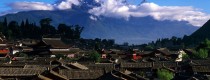
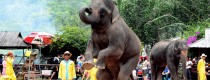
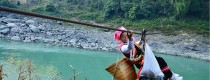
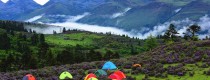
China Yunnan Self-driving Tours include self-driving routes to northwest Yunnan (Dali, Lijiang, Shangri-La) and Xishuangbanna, as well as Yunnan Border Self-driving Tours (Yunnan - Xinjiang Self-driving Tours, China - Thailand Self-driving Tours). China self-driving tours in Yunnan will bring you a lifetime adventure experience and will show you the true depth of diverse ethnic minorities culture and historical culture in China and you could see kinds of landscape and landforms on the way. Our tours are designed exclusively for experienced drivers seeking the ultimate undiscovered holiday. Check the top quality, high-end tours all year round, you can find one for Yunnan Travel.
This guide is specially designed for foreigners, with a clear structure and ready-to-use content. It covers: General Introduction → Popular Destinations → Top Scenic Highways → Classic Self-Driving Routes → Land Port Entry Routes → Practical Guide, comprehensively solving all core problems of foreigners self-driving in China and helping to safely and in-depth experience the beauty of self-driving in China.
I. General Introduction to Self-Driving in China (From a Foreigner's Perspective)
Core Advantages
China is a world-class self-driving paradise, boasting a vast land of 9.6 million square kilometers with extremely diverse landforms, including all natural landscapes such as snow-capped mountains, glaciers, grasslands, deserts, canyons, and coastlines. The road network is improved, with highways, national roads, and scenic highways crisscrossing; most sections are paved with asphalt, and sedans/SUVs can pass (four-wheel drive is required for a few plateau and desert sections). At the same time, it has a diverse culture, integrating the customs of multiple ethnic groups such as Han, Tibetan, Hui, Uyghur, Miao, and Dai, with both humanistic and natural landscapes.
Best Self-Driving Seasons
-
Northwest China (Xinjiang/Gansu): June to October. At this time, the Duku Highway is open, the grasslands are in their best viewing period, avoiding the severe cold of winter and extreme high temperatures of summer.
-
Tibet/Western Sichuan: May to October. After the rainy season, the road conditions are stable and the weather is clear, allowing for better viewing of plateau snow-capped mountains and lake landscapes.
-
Yunnan/Guangxi: Suitable all year round, only need to avoid the cold wave in January and February, and you can experience the unique landscapes and ethnic customs in all seasons.
-
Northeast China: June to September for vast grasslands, December to February for ice and snow wonders; snow chains are required for self-driving in winter.
Core Characteristics of Self-Driving for Foreigners
-
All procedures must be handled by a travel agency on behalf of you, including temporary vehicle entry procedures and temporary Chinese driving permits; individuals cannot handle them directly.
-
An Tibet Entry Permit must be applied for in advance to travel to Tibet. Port and checkpoint inspections along the way are strict, and relevant documents must be carried with you.
-
Remote areas in western China (parts of Xinjiang and Tibet) have no mobile phone signal, long distances between gas stations, and inconvenient supplies. It is necessary to make a full itinerary plan in advance and prepare a satellite phone and offline maps.
II. Popular Destinations (Favorites of Foreigners, Classified by Region)
1. Northwest China (Xinjiang + Qinghai + Gansu) — A Concentrated Area of World-Class Landscapes
-
Xinjiang: Urumqi, Ili (Nalati Grassland, Kalajun Grassland), Turpan (Flaming Mountain, Grape Valley), Kashgar (Ancient City, China-Pakistan Border), Kuqa (Tianshan Mysterious Grand Canyon), Altay (Kanas, Hemu), Muztagh Ata, Sayram Lake, Pamir Mountains, Panlong Ancient Road, Taklamakan Desert.
-
Qinghai: Qinghai Lake, Chaka Salt Lake, Da Qaidam Emerald Lake, Chaerhan Salt Lake, Hoh Xil (qualification required), Menyuan Flower Sea, Qilian Grassland.
-
Gansu: Dunhuang Mogao Grottoes, Mingsha Mountain, Zhangye Danxia National Geopark, Jiayuguan Pass, Hexi Corridor, Kongtong Mountain.
2. Southwest China (Tibet + Yunnan + Sichuan) — Integration of Snow-Capped Mountains, Canyons, Ancient Cities and Ethnic Customs
-
Tibet: Lhasa (Potala Palace, Jokhang Temple), Nyingchi (Peach Blossom Valley, Yarlung Zangbo Grand Canyon), Shigatse (Tashilhunpo Monastery), Everest Base Camp, Nam Co, Yamdrok Lake, Kailash, Manasarovar, Lulang, Ranwu Lake.
-
Yunnan: Kunming, Dali (Erhai Lake), Lijiang (Ancient City, Jade Dragon Snow Mountain), Shangri-La, Meili Snow Mountain, Xishuangbanna (Tropical Rainforest), Bingchacha, Tengchong.
-
Sichuan (including Western Sichuan): Chengdu, Jiuzhaigou, Huanglong, Siguniang Mountain, Xinduqiao, Daocheng Yading, Western Sichuan Ring Road, Emei Mountain.
3. North China + Northeast China — A Resort for Grasslands, Forests, Borders and Snow Scenery
-
Inner Mongolia: Hulunbuir Grassland (Morigele River), Ejina Banner (Euphrates Poplar Forest), Manzhouli (China-Russia Border), Xilingol, Shiwei, Arxan.
-
Heilongjiang/Jilin/Liaoning: Changbai Mountain, Mohe Arctic Village, Daxing'an Mountains, Harbin, Dandong Yalu River.
4. South China + East China — The First Choice for Leisure Self-Driving, Gathered with Landscapes, Coastlines and Ancient Towns
-
Guangxi/Hainan: Guilin Landscape, Yangshuo, Beihai, Sanya, Hainan Island Ring Highway (Coconut Grove on the East Line, Sunset Coastline on the West Line).
-
Zhejiang/Anhui: Qiandao Lake, Huangshan Mountain, Southern Anhui Sichuan-Tibet Line, Hangzhou West Lake, Ancient Huizhou.
III. Top Scenic Highways (Must-Drive, Most Yearned for by Foreigners)
12 core scenic highways are selected, marked with mileage, difficulty and best season, suitable for different self-driving needs, covering from beginner-friendly to hardcore off-roading.
1. Duku Highway G217 (Xinjiang · Ace)
Mileage: 561km (Dushanzi → Kuqa) | Duration: 2–3 days | Difficulty: ★★★☆☆ (Sedan accessible) Features: Four seasons in one day, different scenery every ten miles, crossing the Tianshan Mountains, covering all landscapes of deserts, grasslands, snow-capped mountains, canyons and gobi. Opening Hours: Early June to Early October (expected to open on June 10, 2026, only 5 months a year) Highlights: Dushanzi Grand Canyon, Tangbula Hundred-Mile Gallery, Nalati Grassland, Bayanbulak九曲十八弯 (Nine Turns and Eighteen Bends), Tianshan Mysterious Grand Canyon.
2. Taklamakan Desert Highway (Xinjiang · Sea of Death)
Mileage: 522km (Luntai → Minfeng) | Duration: 1 day | Difficulty: ★★★☆☆ (Sedan can pass directly) Features: The longest flowing desert highway in the world, crossing China's largest and the world's tenth largest desert, with vast sand seas and golden euphrates poplar forests. Best Time: October to November (golden euphrates poplars, stunning scenery) Highlights: Desert sunrise and sunset, euphrates poplar forest landscapes, straight desert highway.
3. Sichuan-Tibet South Line G318 (Chengdu → Lhasa · China's Scenic Avenue)
Mileage: 2140km | Duration: 10–14 days | Difficulty: ★★★★☆ (SUV preferred) Features: Crossing the Hengduan Mountains and Qinghai-Tibet Plateau, with dense snow-capped mountains, glaciers, lakes and canyons, offering an extremely strong self-driving experience. Season: May to June, September to October (avoid the rainy season from July to August) Highlights: Zheduo Mountain (4298m), Tianlu Eighteen Bends, Nujiang 72 Bends, Ranwu Lake, Midui Glacier, Nyingchi, Namjagbarwa Peak.
4. Xinjiang-Tibet Line G219 (Yecheng → Lazi · Top of the Heavenly Road)
Mileage: 2140km | Duration: 12–18 days | Difficulty: ★★★★★ (Hardcore, four-wheel drive required) Features: The highest highway in the world, with an average altitude of 4500m and a maximum altitude of 5347m, crossing the Qiangtang No-Man's Land, Kunlun Mountains and Gangdise Mountains; Tibetan wild asses and Tibetan antelopes are common. Best Time: June to September (warm season, reduced altitude sickness risk) Highlights: Jieshan Daban, Pangong Tso, Ali No-Man's Land, sacred mountains and holy lakes.
5. Yunnan-Tibet Line G214 (Kunming → Lhasa · Ancient Tea Horse Road)
Mileage: About 2300km | Duration: 10–14 days | Difficulty: ★★★☆☆ Features: Gentler than the Sichuan-Tibet Line, connecting the elegance of Yunnan and the grandeur of Tibet, with rich ethnic customs. Season: April to May (azaleas in bloom), September to October (stunning autumn scenery) Highlights: Dali, Lijiang, Shangri-La, Meili Snow Mountain, Yanjing Ancient Salt Fields.
6. Qinghai-Tibet Line G109 (Xining → Lhasa · The Steadiest Tibet Entry Line)
Mileage: 1950km | Duration: 8–12 days | Difficulty: ★★★☆☆ (Full asphalt road for sedans) Features: High altitude but stable road conditions, suitable for first-time Tibet travelers and those afraid of altitude sickness; the altitude rises gradually, making it easy to adapt. Highlights: Qinghai Lake, Chaka Salt Lake, Hoh Xil, Tuotuo River, Tanggula Pass (5231m).
7. Yizhao Highway S237 (Xinjiang · Little Duku)
Mileage: 180km (Yining → Zhaosu) | Duration: 1 day | Difficulty: ★★★☆☆ Features: A combination of danger and stunning beauty, crossing the Tianshan Mountains, with shocking grassland flower seas and Baishi Peak along the way. Opening Hours: June to September, only small vehicles with less than 7 seats are allowed to pass.
8. Hainan Island Ring Tourism Highway (China's Version of California Route 1)
Mileage: About 1000km | Duration: 5–7 days | Difficulty: ★★☆☆☆ (Beginner-friendly) Features: Full coastal scenery, connecting rainforests and fishing villages, relaxed and casual, suitable for vacation-style self-driving. Highlights: Coconut groves on the East Line, sunset coastline on the West Line, characteristic fishing villages, tropical rainforests.
9. China-Pakistan Friendship Highway (Kashgar → Khunjerab · Pamir Heavenly Road)
Mileage: 415km | Duration: 2 days | Difficulty: ★★★★☆ Features: Crossing the Pamir Mountains, with strong border customs, complex road conditions but extreme landscapes. Highlights: Muztagh Ata, Karakul Lake, Panlong Ancient Road, Khunjerab Pass (4733m), Tajik ethnic customs.
10. G331 China-DPRK Border Highway (Dandong → Changbai Mountain · Border Scenery)
Mileage: About 1500km | Duration: 7 days | Difficulty: ★★★☆☆ Features: Driving along the China-DPRK border, with unique scenery and few people. Highlights: Yalu River, Changbai Mountain Tianchi, primeval forests, border villages.
11. Qinghai-Gansu Grand Ring Line (Xining → Qinghai Lake → Chaka → Dunhuang → Zhangye → Xining)
Mileage: 2800km | Duration: 8 days | Difficulty: ★★★☆☆ Features: Packaging multiple landscapes such as lakes, salt lakes, deserts, Danxia landforms and grasslands in one trip, with high cost performance.
12. Bingchacha (Bingzhongluo → Chayu · The Most Dangerous Tibet Entry Road)
Mileage: 270km | Duration: 2–3 days | Difficulty: ★★★★★ (Four-wheel drive required) Features: The most dangerous Tibet entry road in China, with a strong sense of primitive seclusion, suitable for senior off-road enthusiasts. Highlights: Nujiang Grand Canyon, primeval forests, secluded Chayu.
IV. Popular Self-Driving Routes (Classic Long-Distance Routes for Foreigners, Including Itineraries)
7 classic routes are selected, covering different regions and difficulties, suitable for different self-driving durations, which can be directly referenced for planning.
1. Northwest Grand Ring Line (Xinjiang + Qinghai + Gansu, 18 days)
Itinerary: Horgos → Yining → Sayram Lake → Dushanzi (Duku Highway) → Kuqa → Kashgar → Taklamakan Desert → Luntai → Urumqi → Hami → Dunhuang → Zhangye → Xining → Qinghai Lake → Chaka Salt Lake Features: Covering grasslands, snow-capped mountains, deserts, lakes and ancient cities, allowing in-depth experience of the magnificent scenery in northwest China.
2. Sichuan-Tibet + Everest Ring Line (Sichuan + Tibet, 15 days)
Itinerary: Chengdu → Kangding → Litang → Daocheng Yading → Mangkang → Nujiang 72 Bends → Ranwu → Bomi → Nyingchi → Lhasa → Yamdrok Lake → Shigatse → Everest Base Camp → Lhasa Features: In-depth integration of Tibetan culture and snow-capped mountains and glaciers, unlocking the Everest pilgrimage journey.
3. Yunnan-Tibet Line + Meili Snow Mountain (10–12 days)
Itinerary: Kunming → Dali → Lijiang → Shangri-La → Deqin (Meili Snow Mountain) → Yanjing → Mangkang → Zuogong → Basu → Ranwu → Bomi → Nyingchi → Lhasa Features: Connecting Yunnan's ethnic customs and Tibet's plateau landscapes, with gentle road conditions, suitable for first-time Tibet travelers.
4. Qinghai-Tibet Line + Qinghai Lake (8–10 days)
Itinerary: Xining → Qinghai Lake → Chaka Salt Lake → Delingha → Keluke Lake → Tuotuo River → Tanggula Mountain → Nagqu → Damxung → Nam Co → Lhasa Features: The steadiest road conditions, with gradually rising altitude, easy to adapt to altitude sickness, suitable for travelers afraid of altitude sickness.
5. Inner Mongolia Grassland Ring Line (7–9 days)
Itinerary: Hailar → Golden Tent Khan → Erguna → Enhe → Shiwei → Heishantou → Manzhouli → Arxan → Hailar Features: Full of grassland and border customs, you can experience horse riding and camping; green in summer and white in winter, with scenery in all seasons.
6. Cross-Border Self-Driving Routes (3 Core Routes)
-
China-Laos Cross-Border (Laos → Yunnan, 8 days): Vientiane → Mohan Port (Entry) → Xishuangbanna → Pu'er → Kunming → Dali → Lijiang, relaxed and casual, with tropical rainforests and ethnic customs.
-
China-Russia Cross-Border (Russia → Inner Mongolia, 10 days): Chita → Manzhouli Port → Hailar → Hulunbuir Grassland → Arxan → Harbin → Changbai Mountain, covering grasslands, forests, snow scenery and border customs.
-
China-Vietnam Cross-Border (Vietnam → Guangxi, 7 days): Hanoi → Friendship Pass Port → Pingxiang → Detian Waterfall → Jingxi → Dongxing Port → Beihai, integrating karst landscapes, transnational waterfalls and Vietnamese customs.
7. Tibet Ali Ring Line (Lhasa → Ali, 18 days)
Itinerary: Lhasa → Shigatse → Everest Base Camp → Kailash → Manasarovar → Zanda Earth Forest → Shiquanhe → Pangong Tso → Return to Lhasa Features: Hardcore self-driving, crossing the roof of the world, sacred mountains and holy lakes, and no-man's land, suitable for senior off-road enthusiasts and pilgrims.
V. Land Port Entry Self-Driving Routes (2026 Latest, Directly Accessible by Self-Driving)
China borders 14 countries by land, but only designated ports are open for foreigners to enter China by self-driving. All procedures must be handled by a travel agency on behalf of you. The following are the core accessible ports and recommended routes, with prompts for inaccessible ports.
Core Accessible Self-Driving Entry Ports (6 First Choices)
-
✅ China-Laos: Mohan Port, Yunnan (First choice for Southeast Asia, most mature) Entry: Boten, Laos → Mohan, China (Highway) Route: Mohan → Xishuangbanna (Jinghong) → Pu'er → Kunming → Dali → Lijiang → Shangri-La → Mangkang → Lhasa (Yunnan-Tibet Line) Suitable for: Southeast Asian self-driving entry, easy Tibet entry | Port Hours: 8:00–18:00
-
✅ China-Kazakhstan: Horgos Port, Xinjiang (First choice for Central Asia/Europe) Entry: Kazakhstan → Horgos (Highway) Route: Horgos → Yining → Dushanzi → Duku Highway → Kuqa → Kashgar → Urumqi (Xinjiang Grand Ring Line) Suitable for: Central Asian/European entry, in-depth self-driving in Xinjiang | Port Hours: 9:00–18:00
-
✅ China-Mongolia: Erenhot Port, Inner Mongolia (Mongolia/Russia) Entry: Zamyn-Uud, Mongolia → Erenhot (Highway) Route: Erenhot → Hohhot → Baotou → Yinchuan → Lanzhou → Xining → Qinghai Lake → Lhasa (Qinghai-Tibet Line) Suitable for: Mongolian/Russian entry, Northwest + Qinghai-Tibet connection
-
✅ China-Mongolia: Manzhouli Port, Inner Mongolia (Russian Far East) Entry: Zabaykalsk, Russia → Manzhouli (Highway) Route: Manzhouli → Hailar → Arxan → Tongliao → Chifeng → Beijing → Xi'an → Chengdu → Lhasa (Sichuan-Tibet Line) Suitable for: Russian Far East entry, Northeast + North China + Southwest connection
-
✅ China-Nepal: Zhangmu Port, Tibet (Nepal/India) Entry: Kathmandu, Nepal → Zhangmu (Highway, foreign self-driving groups have resumed in 2026) Route: Zhangmu → Nyalam → Everest Base Camp → Shigatse → Lhasa Suitable for: Nepalese/Indian entry, Tibet pilgrimage | Note: Tibet Entry Permit + full travel agency accompaniment required
-
✅ China-Vietnam: Dongxing Port, Guangxi (Vietnam) Entry: Mong Cai, Vietnam → Dongxing (Beilun River Bridge) Route: Dongxing → Beihai → Nanning → Guilin → Yangshuo → Guiyang → Chongqing → Chengdu → Lhasa (Sichuan-Tibet Line) Suitable for: Vietnamese entry, South China + Southwest connection
❌ Inaccessible Self-Driving Entry Ports (2026)
China-Kyrgyzstan (Turugart/Ili Keshitan), China-Pakistan (Khunjerab), China-Russia (Hunchun/Suifenhe), China-Myanmar (Ruili/Moten): Only Chinese-registered vehicles are allowed to enter; foreign vehicles are prohibited.
Full List of Accessible Self-Driving Entry Ports for 14 Land Bordering Countries (2026 Latest)
-
🇰🇵 DPRK → China (Northeast): Dandong Port (Liaoning), Ji'an Port (Jilin), Quanhe Port (Hunchun)
-
🇷🇺 Russia → China (Northeast/Northwest): Manzhouli Port (Inner Mongolia), Suifenhe Port (Heilongjiang), Hunchun Port (Jilin), Heihe Port (Heilongjiang), Heishantou Port (Inner Mongolia)
-
🇲🇳 Mongolia → China (North): Erenhot Port (Inner Mongolia), Ceke Port (Alxa), Ganqimaodu Port (Bayannur), Zhuengadabuqi Port (Xilingol)
-
🇰🇿 Kazakhstan → China (Northwest): Horgos Port (Xinjiang), Alashankou Port (Xinjiang), Baketu Port (Tacheng), Dulata Port (Yining)
-
🇰🇬 Kyrgyzstan → China (Northwest): Ili Keshitan Port (Kizilsu), Turugart Port (Kizilsu)
-
🇹🇯 Tajikistan → China (Northwest): Karasu Port (Kashgar), Khunjerab Port (shared)
-
🇦🇫 Afghanistan → China (Northwest): Wakhan Corridor Port (Kashgar, seasonally open June-September)
-
🇵🇰 Pakistan → China (Northwest): Khunjerab Port (Kashgar)
-
🇮🇳 India → China (Southwest): Yadong Port (Shigatse, Tibet), Nathu La Pass (Shigatse)
-
🇳🇵 Nepal → China (Southwest): Gyirong Port (Tibet), Zhangmu Port (Nyalam), Pulan Port (Ali), Lizi Port (Shigatse)
-
🇧🇹 Bhutan → China (Southwest): Yadong Port (Tibet, advance reservation required)
-
🇲🇲 Myanmar → China (Southwest): Ruili Port (Yunnan), Wanding Port (Yunnan), Daluo Port (Xishuangbanna), Houqiao Port (Baoshan), Menglian Port (Pu'er)
-
🇱🇦 Laos → China (Southwest): Mohan Port (Xishuangbanna), Mengkang Port (Pu'er), Mengman Port (Xishuangbanna)
-
🇻🇳 Vietnam → China (South China): Friendship Pass Port (Chongzuo, Guangxi), Dongxing Port (Fangchenggang), Pingxiang Port (Chongzuo), Shuikou Port (Chongzuo)
VI. Practical Guide for Foreigners Self-Driving in China (2026 Latest, Documents + Procedures + Safety + Pitfalls Avoidance)
1. Necessary Documents (Indispensable)
-
Personal Documents: Passport (valid for ≥6 months), Chinese Tourist Visa (L Visa, 30–90 days), original foreign driver's license + Chinese-English notarized translation, Temporary Entry Driving Permit (handled at port/vehicle management office, valid for 3 months, no exam required).
-
Vehicle Documents: Vehicle Registration Certificate (notarized translation), Vehicle License, 45° photos of the left and right sides of the vehicle, Chinese compulsory insurance + commercial insurance (covering the entire trip).
-
Special Documents: Tibet Entry Permit (must be applied for when traveling to Tibet, handled by a travel agency); ATA Carnet is invalid, and temporary import and export declaration + vehicle equivalent deposit (refunded upon departure) is required.
2. Vehicle Entry Procedures (Handled at Port, about 2–3 hours in total)
-
The travel agency submits vehicle and personnel information for pre-review 7 days in advance.
-
After arriving at the port, complete the following in turn: Customs X-ray + manual inspection → Border inspection of passport/visa → Vehicle management office to collect temporary license plate + vehicle license + temporary driving permit → Release.
3. Driving Rules (Strictly Observe to Avoid Violations)
-
Drive on the right side of the road with strict speed limits: 100–120km/h on highways, 60–80km/h on national roads, and 60km/h in urban areas.
-
Wear seat belts throughout the journey; speeding, drunk driving and fatigue driving are strictly prohibited, with severe penalties for violations.
-
Remote areas in western China have no street lights, no mobile phone signals, and wild animals appear; night driving is prohibited.
-
For the entire Tibet and border counties in Xinjiang, travel agency registration + tour guide accompaniment are required; free travel is prohibited.
4. Supply and Safety Preparation
-
Gas Stations: The distance between gas stations in western China (Xinjiang/Tibet) is 100–300km. Be sure to fill up the tank before departure; a spare fuel barrel can be carried in remote areas.
-
Network and Navigation: There is no 4G signal in remote areas; you must download Gaode/Baidu offline maps in advance and prepare a satellite phone.
-
Altitude Sickness Response: In high-altitude areas (>4000m) in Tibet and Xinjiang, take Rhodiola rosea 1 week in advance, prepare oxygen cylinders, avoid strenuous exercise, do not take a bath on the first day, rest immediately if you have a headache, vomiting and other symptoms, and evacuate if severe.
-
Rescue and Equipment: There is no trailer service in remote western areas; it is recommended to drive an off-road vehicle and prepare a full-size spare tire, repair tools and emergency equipment; snow chains, warm clothes and sun protection products are needed for plateaus, and sand prevention boards and GPS are needed for deserts.
5. Pitfalls Avoidance Guide (2026 Latest, Key Reminders)
-
ATA Carnet has been cancelled; do not blindly look for ATA services, and must go through the "temporary import and export + travel agency guarantee" process.
-
International driver's licenses are invalid in China; a Temporary Entry Driving Permit in China must be applied for, otherwise it will be regarded as unlicensed driving.
-
Duku Highway and Xinjiang-Tibet Line have seasonal closures: Duku Highway is open from June to October, and Xinjiang-Tibet Line is open from June to September; access is prohibited at other times.
-
Refuel only at PetroChina and Sinopec; private oil has no quality guarantee and is easy to damage the vehicle.
-
A Tibet Entry Permit must be applied for in advance to travel to Tibet; you cannot pass the checkpoint without a Tibet Entry Permit, and you are not allowed to go there without permission.
VII. China Self-Driving Tour with Yaso Trip
China self-driving tours in China with Yaso Trip offer one of the most diverse and unforgettable road trip experiences in China, covering deserts, snow mountains, grasslands, plateaus, and ancient Silk Road routes. From the dramatic “four seasons in one day” scenery along the Duku Highway (Duku Highway Xinjiang) and the endless dunes of the Taklamakan Desert, to the extreme landscapes of the Sichuan–Tibet Highway (G318 Sichuan Tibet Road) and the vast Qinghai–Tibet Highway, every journey reveals a completely different natural world. With Yaso Trip China self-drive service, travelers can access carefully designed routes across Xinjiang self-driving tours and Yunnan–Tibet road trips, combining wilderness exploration, ethnic culture, and iconic geography into a seamless journey.
For foreign travelers, Yaso Trip self-driving China service provides full support for complex procedures such as China temporary driving license, vehicle import procedures in China, and Tibet travel permit China. Most routes require 1–2 months of advance planning, and Yaso Trip assists with itinerary design, border regulations, and high-altitude travel preparation. By following China traffic rules for foreigners and preparing proper safety equipment, navigation tools, and altitude adaptation plans, travelers can enjoy a secure and immersive China road trip travel experience. With Yaso Trip’s professional coordination, exploring China by car becomes not only possible, but also smooth, safe, and deeply rewarding.
Yunnan Self-driving Tours
China Yunnan - Thailand Self-driving Tours
Yunnan Travel Guide for Self-driving Tours: