7 Days GolfingTour
 8 Days Group Tour
 8 Days Yunnan Tour
 7 Days Shangri La Hiking
 11 Days Yunnan Tour
 6 Days Yuanyang Terraces
 11 Days Yunnan Tour
 8 Days South Yunnan
 7 Days Tea Tour
 8 Days Muslim Tour
 12 Days Self-Driving
 4 Days Haba Climbing
 Tiger Leaping Gorge
 Stone Forest
 Yunnan-Tibet
 Hani Rice Terraces
 Kunming
 Lijiang
 Shangri-la
 Dali
Dali
 XishuangBanna
 Honghe
 Kunming
 Lijiang
 Shangri-la
 Yuanyang Rice Terraces
 Nujiang
 XishuangBanna
 Spring City Golf
 Snow Mountain Golf
 Stone Mountain Golf













Xizhou Ancient Town
Xizhou Ancient Town Overview
Chinese Name: 喜洲镇 English IPA: Xi Zhou Location: Located in the north of Dali City Population (city): 70,000 Language: Bai Language Zip code: Tel code: Time zone:
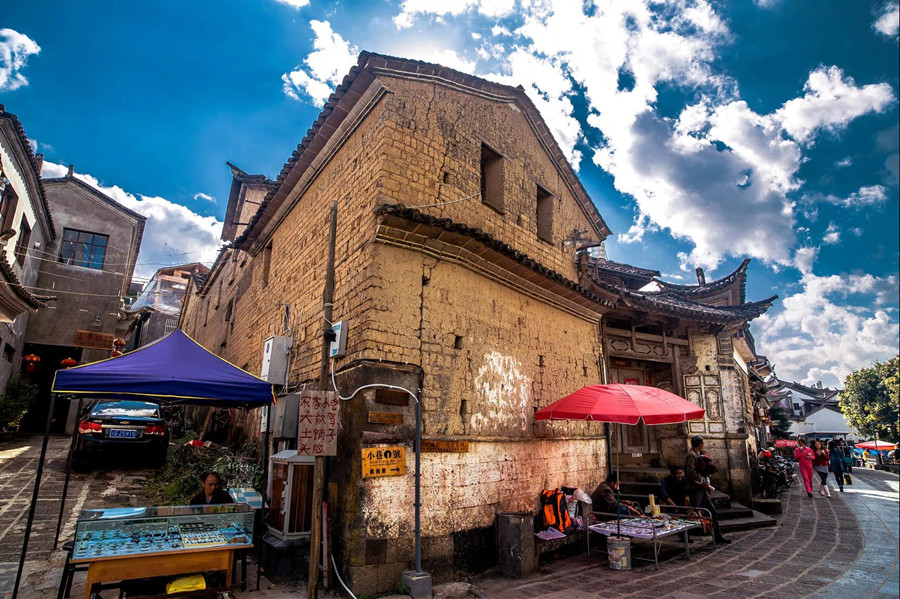
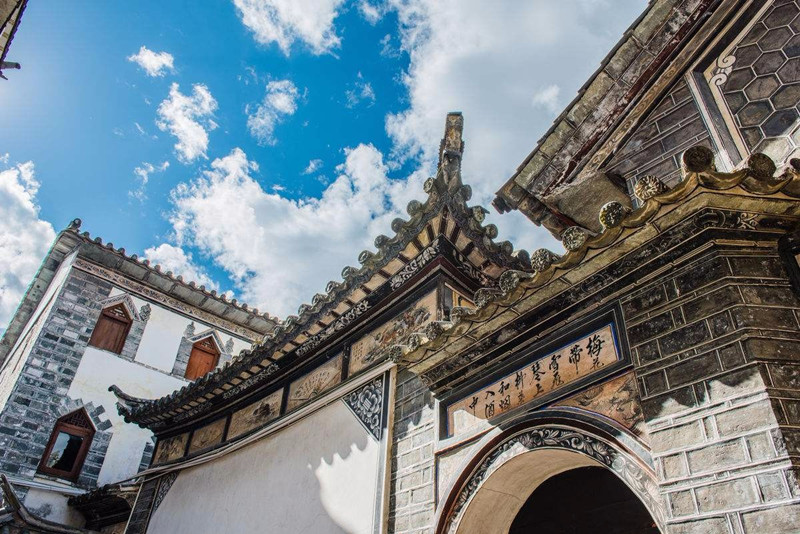
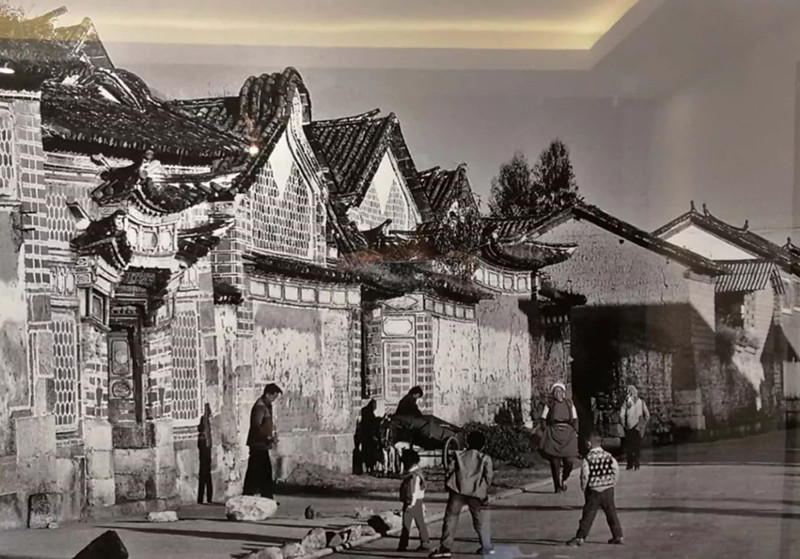
Xizhou Town(喜洲镇) is a county in the Dali Bai Autonomous Prefecture located in western Yunnan Province, China. Located at only 18 kilometers north of Dali, Xizhou faces Erhai on the east and rests on Cangshan in the west. Xizhou has been historically important as a trading post along the Tea Horse Road, it was once home to a landing strip and radio station for the Flying Tigers during WWII, has been home to notable rulers and governors of local polities past and present, and has gained notoriety in modernity for its high concentration of preserved and restored traditional Bai architecture and protected heritage sites.
Highlights of Xizhou
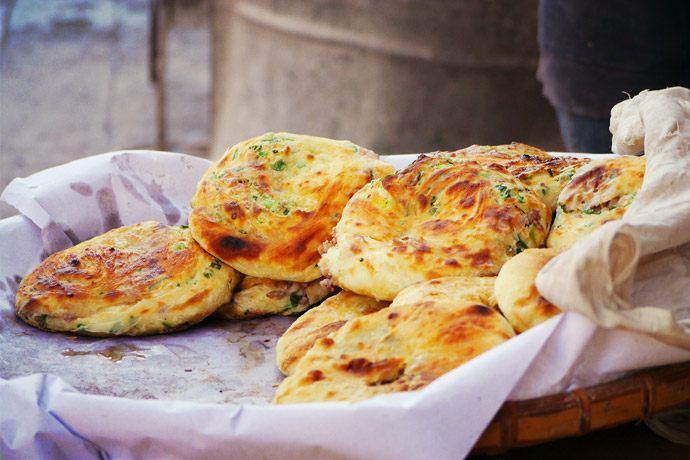
Xizhou Cake: Xizhou Cake is the most famous food in Xizhou. Leaven flour, knead with vegetable oil, and add spring onion, Chinese prickly ash, and salt taste, or ham, diced meat, pork scraps, and brown sugar for a sweet taste. Toast for ten minutes and it is served.
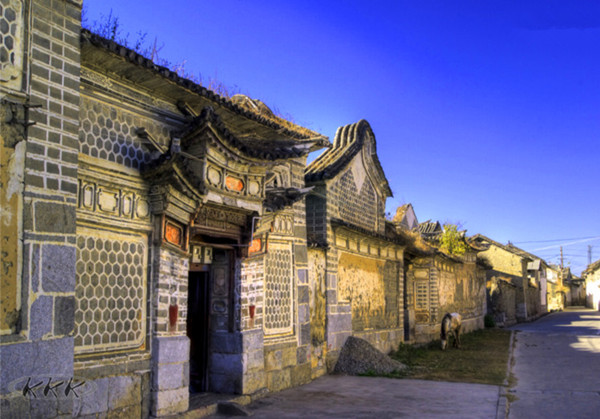
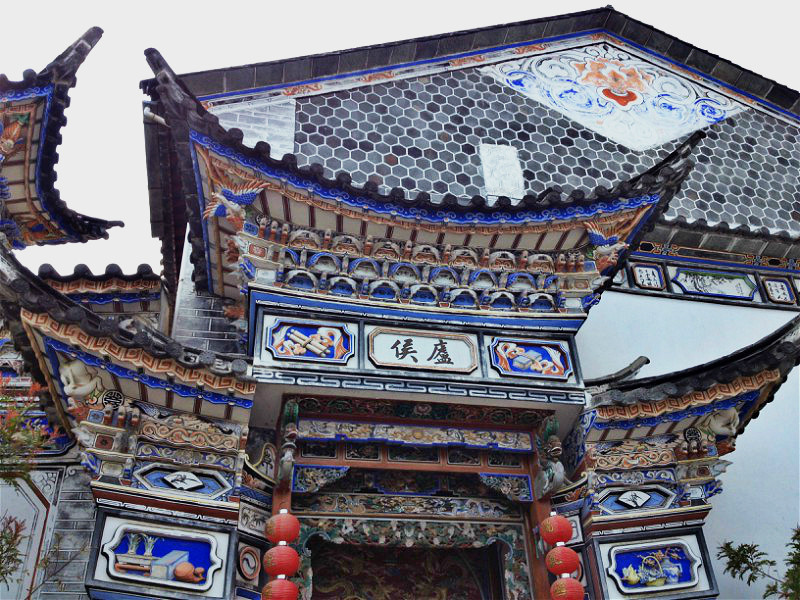
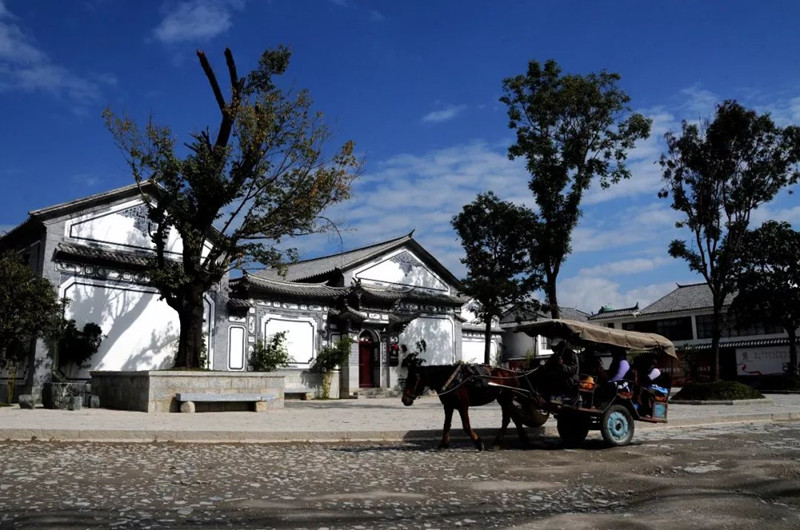
Traditional Bai-style residences: Xizhou has a total of hundreds of Bai people’s residential buildings in the Ming Dynasty, the Qing Dynasty, the Republic of China, and the contemporary times. Looking from afar, like a simple and elegant city, it is more like a huge museum of residential architecture.
Other Destinations in Dali
- Jianchuan County
- Binchuan County
- Xiangyun County
- Yunlong County
- Midu County
- Yangbi County
- Nanjian County
- Yongping County
- Eryuan County
- Heqing County
- Weishan County
- Shuanglang Town
- Xizhou Ancient Town
- Shaxi Ancient Town
- Nuodeng Ancient Town
- Dali City
- Dali Ancient Town
- Xiashankou
Xizhou Ancient Town Attractions
Xizhou Town is a charming town with green hills and clear water, its tourism resources are unique and various. Within the territory, the main scenic plots are Xizhou Old Town, Yan Family Compound, Zhoucheng Village, Taoyuan Village, Yinfucheng’s House Baochengfu, Kelizhuang Mosque, Haishe (Tongue of Erhai Lake) Park, Shengyuan Temple. [...]
More Xizhou Ancient Town Attractions >>
Xizhou Ancient Town Tours
Xizhou was once a commercial center of Yunnan, and the birthplace of Bai's modern entrepreneurs. It has gained notoriety in modernity for its high concentration of preserved and restored traditional Bai architecture and protected heritage sites. We have designed some tour packages for you to choose from such as several days tour packages with Dali, Lijiang or other hot destinations of Yunnan Travel. Also, you can tailor-make your own private tour with our responsible and enthusiastic travel consultant. [...]
Climate & When to Go
Its low latitude tempered by its high elevation, Dali has a mild subtropical highland climate with short, mild, dry winters and warm, rainy summers. Frost may occur in winter but the days still generally warm up to 15 °C (59 °F) or more. During summer, a majority of the days features some rainfall and daytime temperatures rise to 24 °C (75 °F). A great majority of the year's rainfall occurs from June to October. CLIMOGRAPH XǏZHŌU The least amount of rainfall occurs [...]
More Xizhou Ancient Town Climate & When to Go >>
Transportation
 Transportation
 Xizhou Town is located in the north of Dali City, west of Cangshan Mountain and east of Erhai Lake. How to Get to Dali By plane Dali Airport is located to the east of New City, 13 km (8 mi) from South Gate. Direct flights include Dali-Kunming (Daily), Dali-Chengdu (Daily), Dali-Chongqing, and Dali-Xishuangbanna (Daily). You can fly to many large cities, such as Beijing, Shanghai, Guangzhou and Hong Kong via Kunming. Alternatively, you can go to Kunming Changshui International Airport by plane. It is located in the [...]
More Xizhou Ancient Town Transportation >>
Festivals and Activities
There are many festivals in Xizhou Town, most of which are relative to Buddhism and Taoism, a unique religion in China. The main inhabitants are Bai, Yi, Lishu, Naxi and Han people. Bai ethnic groups take up the dominant part of the whole population. Visiting Three Spirits Each year, on the 23rd day of the fourth lunar month, the people don festival clothes, carry willow branches, rattle sticks in their hands, blow whistles from tree leaves, pluck three-stringed instruments and beat octagonal [...]
More Xizhou Ancient Town Festivals and Activities >>
Travel Tips
We’ve offered you some travel tips about Xizhou. Hope these information could be useful for you. Useful Numbers Zip code: 671200 Area code: 0872 Consumer Complaint: 12315 Tourist Complaint: 0872-2124023 Telephone Number Inquiry: 114 Weather Forecast: 121 Fire: 119 Police: 110 Ambulance: 120 Safety Precautions 1. Take care of your luggage and important things, such as passport and visa. 2. Check out the weather report before your travel. Do not go sightseeing in bad weather. 3. Respect and follow local custom and avoid conflicts. Advice There is no hot summer here, and T-shirts, shorts and a [...]
More Xizhou Ancient Town Travel Tips >>
Useful Maps
To help you have a better understanding about Xizhou, and plan a Xizhou tour easily, we have collected some very useful Xizhou tourist maps, including Xizhou attractions map, map of scenic spots around Xizhou, etc, all of which are downloadable and printable. [...]
More Xizhou Ancient Town Useful Maps >>
Xizhou Ancient Town Accommodation
As it is close to the Dali ancient town, a majority of tourists choose to return to the ancient town or head to the next attraction Shuanglang. The hostel with the best condition in the old town is Xilinyuan Xilinyuan Hostel(喜林苑酒店)-Five Star Tel: 0872-2452988 Address: No.85 Chengbei Village, Xizhou Town,Dali City Comment: It is the best hotel in the old town. Diehaiyuehai Resort Hotel(蝶海月海度假酒店) Tel: 400-011-8011 Address: Next toGongyu Cave,Taoyuan Village,Xizhou Town,Dali City Comment: The hotel has well-equipped basic facilities and perfect service system Linghaimuyue Hotel(聆海沐月客栈) Tel: 0871-2433188 Address: Taoyuan Village,Xizhou Town,Dali City Comment: It has convenient transportation and superior geographical position. Heyao Renshouju [...]
More Xizhou Ancient Town Accommodation >>
Other Hot Destinations in China
- Babao Town
- Baisha Ancient Town
- Baishuitai
- Baoshan Stone Town
- Bingzhongluo
- Dali Ancient Town
- Dashanbao
- Dongchuan Red Land
- Dulongjiang
- Feilaisi
- Haba Snow Mountain
- Heshun Ancient Town
- Honghe Hani Rice Terraces
- Jade Dragon Snow Mountain
- Jingmai
- Lashihai Lake
- Lijiang Ancient Town
- Lugu Lake
- Meili Snow Mountain
- Puzhehei
- Shuanglang Town
- Shuhe Ancient Town
- Stone Forest
- Three Parallel Rivers
- Tiger Leaping Gorge
- Yuanyang Hani Rice Terraces