7 Days GolfingTour
 8 Days Group Tour
 8 Days Yunnan Tour
 7 Days Shangri La Hiking
 11 Days Yunnan Tour
 6 Days Yuanyang Terraces
 11 Days Yunnan Tour
 8 Days South Yunnan
 7 Days Tea Tour
 8 Days Muslim Tour
 12 Days Self-Driving
 4 Days Haba Climbing
 Tiger Leaping Gorge
 Stone Forest
 Yunnan-Tibet
 Hani Rice Terraces
 Kunming
 Lijiang
 Shangri-la
 Dali
Dali
 XishuangBanna
 Honghe
 Kunming
 Lijiang
 Shangri-la
 Yuanyang Rice Terraces
 Nujiang
 XishuangBanna
 Spring City Golf
 Snow Mountain Golf
 Stone Mountain Golf




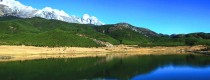
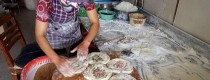
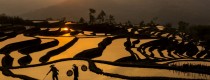

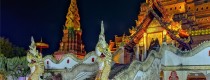


Lianghe County
Lianghe County Overview
Chinese Name: 梁河县 English IPA: Lianghe Location: Northeast of Dehong and West of Yunnan Population (city): 154,175 Language: Yunnan Dialect Zip code: Tel code: Time zone:
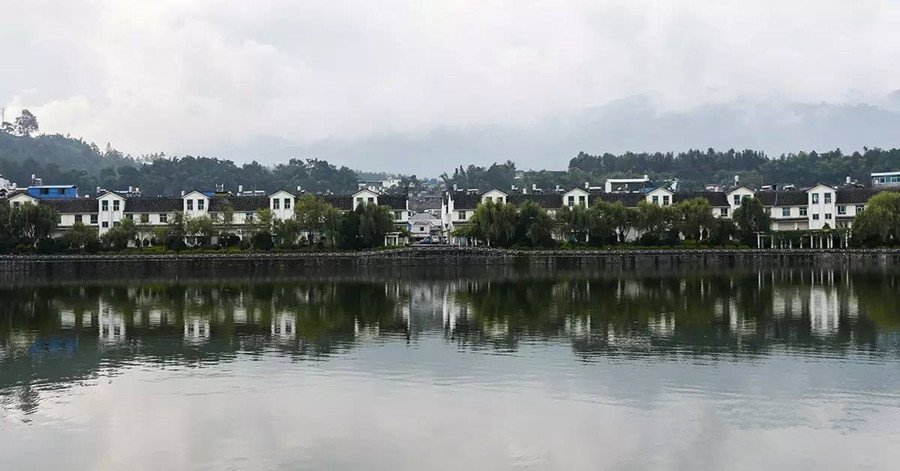
If you are tired of hustle and bustle of the metropolis, Lianghe is a nice choice for you to travel. Lianghe County, Town of Gourd Flute, is located in the northeast of Dehong and west of Yunnan. It is a county which emphasizes on the agriculture, also an attraction of Dehong. Lianghe is the essential pass of the South Silk Road. In 2006, ‘Zhepama’ and ‘Zhemima’ of Achang people were put into the list of first batch of national intangible cultural heritage. Ethnic people live here in harmony generation by generation.
Highlights
Minority culture
The traditional ethnic villages represent the local unique ethnic, such as Nangsong Achang Ethnic Town and Jiubao Achang Ethnic Town of Lianghe County.
History sites
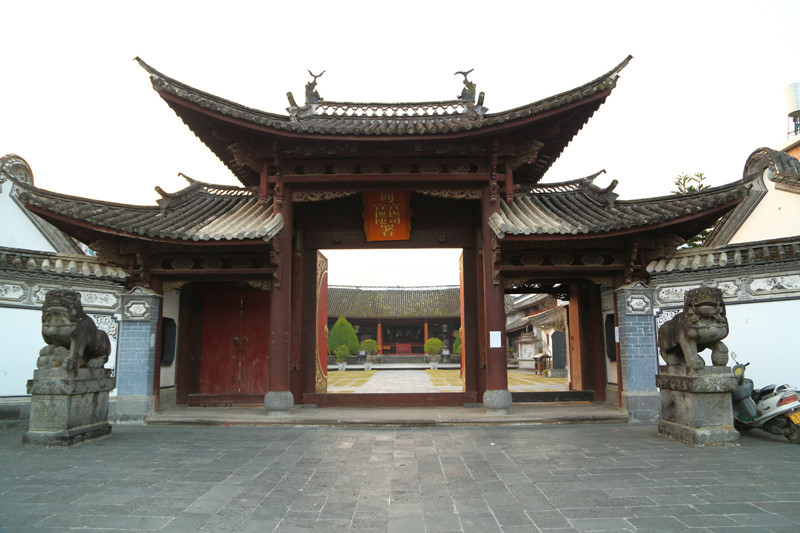
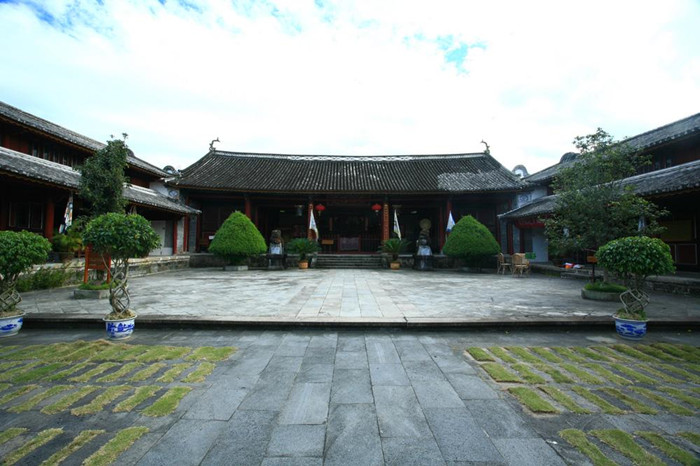
Lianghe County offers the profound history, with the heritage of system of appointing national minority hereditary headmen, like Nandian Xuanfu Chieftain Office.
Other Destinations in Lianghe County
Lianghe County Attractions
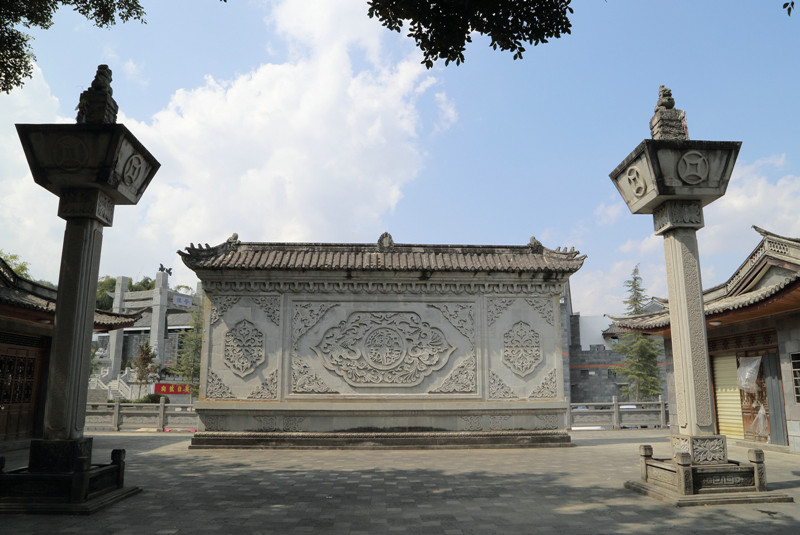
Lianghe County, Town of Gourd Flute, emphasizes on ethnic culture and chieftain culture, which is away from the hustle and bustle of the metropolis. Travelers can enjoy the leisurely life pace in the ethnic villages, appreciating the gourd flute music. Step into the traditional ethnic villages, Jiubao Village of Jiubao Town in Lianghe County and Bangdu Village of Hexi Town in Lianghe County, you will witness different life styles of ethnic groups. The Nandian Xuanfu Chieftain Office in Lianghe County [...]
More Lianghe County Attractions >>
Lianghe County Tours
Lianghe, a beautiful small town, is a peaceful place. Here, to get rid of the hustle and bustle, travelers can find the charming scenery and traditional ethnic villages. In order to know more about the destination, Yunnan Exploration offers diverse unique several days tours for you dear, covering 11 Days Western Yunnan and Myanmar Border Cycling Tour and 39 Days Yunnan 25 Ethnic Minorities Discovery and Photography Tour. Moreover, Lianghe tours can be customized according to your specific needs. [...]
Climate & When to Go
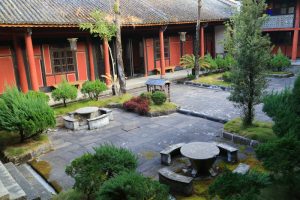 Climate & When to Go
 The climate here is mild, and generally warm and temperate. Lianghe is a city with a significant rainfall. Even in the driest month there is a lot of rain. This location is classified as Cfa by Köppen and Geiger. In Lianghe, the average annual temperature is 19.2 °C. The average annual rainfall is 1615 mm. Climate Graph Precipitation is the lowest in January, with an average of 16 mm. Most of the precipitation here falls in July, averaging 349 mm. Temperature [...]
More Lianghe County Climate & When to Go >>
Transportation
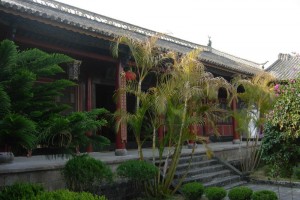 Transportation
 No plane and airport in Lianghe County. But you can fly to Tengchong or Mangshi and then take a bus to Lianghe. Hope the information can help you make a better travel plan. How to Get In Long-distance from Kunming Western Passenger Station to Lianghe County Plane+Bus A.At first, plane from Kunming to Tengchong Then, bus from Tengchong to Lianghe B.At first, plane from Kunming to Mangshi Then, bus from Mangshi to Lianghe China~Laos railway is from Dali to [...]
More Lianghe County Transportation >>
Festivals and Activities
Festivals and activities of Lianghe represent the local tradition, religion belief and life styles.Enjoy the local festivals and activities, your travel will be unique and impressive. They will help you to know more about the local culture. Water Splashing Festival 泼水节 It is the traditional festival of Dai and De’ang ethnic minority. During this time, people splash water to each other to show wishes and get rid of the bad things last year. Chuwa and Ganduo Festival of Dai Ethnic Minority 傣族出洼干朵节 [...]
More Lianghe County Festivals and Activities >>
Travel Tips
1.Travel Tips Where to Stay Jinta Hot-spring Hotel 梁河金塔温泉酒店 Kunxi Hotel in Lianghe County 梁河坤玺宾馆 Fortune Hotel 财富大酒店 Xinlei Hotel 鑫磊酒店 2.What to Visit Travelers can visit the traditional ethnic villages and history sites in Lianghe. The featured festivals deserve to enjoy, which will give you the outlet of the ethnic groups. Nandian Chieftain Government Office Site Address: No.103 Nanxun Road, Lianghe County 678600, China 3.Best Time to Visit The best time to visit Lianghe County [...]
More Lianghe County Travel Tips >>
Useful Maps
Map is an important facility if you go to a new place. To help you have a better understanding about Lianghe County, and plan a Lianghe tour easily, Yunnan Exploration offers some very useful Lianghe tourist maps, including Lianghe location maps, region maps, Lianghe attractions mas, maps of scenic spots around Lianghe, which may be helpful in your Lianghe travel. [...]
More Lianghe County Useful Maps >>
Lianghe County Accommodation
There is no luxury hotel or star hotel in this small town. If you want to have a better stay, you can go to Mangshi City to find the hotels. Here are some comfortable hotels for you. Chinese Name English Name Address Telephone Number Comment 梁河金塔温泉酒店 Jinta Hot-spring Hotel No.89 Binhe Road, Zhedao Town, near Mengdi Road. Lianghe County, Dehong 0692-6988888 Hotel is well equipped. Customers can enjoy the hot spring here. The decoration of rooms combines the local ethnic culture and South Asia culture. 梁河坤玺宾馆 Kunxi Hotel in Lianghe County Longwo Hot-spring, [...]
More Lianghe County Accommodation >>
Other Hot Destinations in China
- Babao Town
- Baisha Ancient Town
- Baishuitai
- Baoshan Stone Town
- Bingzhongluo
- Dali Ancient Town
- Dashanbao
- Dongchuan Red Land
- Dulongjiang
- Feilaisi
- Haba Snow Mountain
- Heshun Ancient Town
- Honghe Hani Rice Terraces
- Jade Dragon Snow Mountain
- Jingmai
- Lashihai Lake
- Lijiang Ancient Town
- Lugu Lake
- Meili Snow Mountain
- Puzhehei
- Shuanglang Town
- Shuhe Ancient Town
- Stone Forest
- Three Parallel Rivers
- Tiger Leaping Gorge
- Yuanyang Hani Rice Terraces