Chinese Name:大理洱源县牛街乡
English Name: Niujie Town of Eryuan County in Dali
Niujie Township (牛街乡), historically known as Meichuan (梅川), belongs to Eryuan County (洱源县) in Dali Bai Autonomous Prefecture (大理白族自治州). Located near the borders of Eryuan, Jianchuan and Heqing, it was an important station on the Ancient Tea Horse Road (茶马古道) and the Western Yunnan Ancient Road (迤西古道). Today, Niujie is a convenient wellness stop between Dali Ancient City (大理古城), Shaxi Ancient Town (沙溪古镇), Jianchuan Ancient Town (剑川古城) and Lijiang Ancient City (丽江古城), combining natural hot springs, Bai villages, historic courtyards, mountain scenery and rural food.
Niujie Township Overview
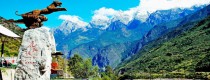
Niujie Township covers approximately 268 square kilometers and has a population of about 24,800, with the Bai people forming the principal ethnic community. The township government is based in Niujie Village (牛街村), a provincial-level historic and cultural village as well as a nationally recognized traditional village. Most other settlements are highland or mountain farming communities surrounded by rice fields, cornfields, broad-bean farms, forests and old village paths.
The township’s most important resource is the Niujie Geothermal Field (牛街热田), which covers approximately 4.65 square kilometers and contains around 56 geothermal spring sites. The Yisanying area (一三营片区) has 24 concentrated spring sources, including natural outlets and drilled wells. Surface temperatures generally range from 60°C to 78°C, with the hottest outlet reaching approximately 85.5°C, while deep-well water may approach 100°C before being cooled for guestroom pools.
Niujie’s spring water is described as a sulfurous calcium-magnesium bicarbonate mineral spring containing metasilicic acid, lithium, strontium, selenium and hydrogen sulfide. Local bathing traditions associate it with relaxation, skin care and relief from travel fatigue, although these benefits should not be regarded as medical treatment. The geothermal system also supports household hot-water use, hotels and clean-energy development, making it both a tourism resource and part of local daily life.
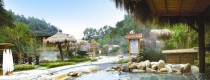
Hot spring tourism now forms the center of Niujie’s rural economy. Traditional guesthouses preserve Bai timber structures, grey-tiled roofs and enclosed courtyards, while newer properties use modern minimalist, Japanese-inspired or mountain-retreat designs. The township has developed accommodation ranging from simple public bathhouses to private courtyard guesthouses and boutique wellness hotels. Each November, the Niujie Hot Spring Culture Week (牛街温泉文化周) brings together Bai performances, local food, wellness activities, rural markets and evening hot spring experiences.
Administrative Villages and Local Features
Niujie Township administers 11 administrative villages and approximately 134 villager groups. Niujie Village (牛街村) is the administrative and tourism center, while the remaining villages are primarily agricultural settlements.
| Village |
Main character and local features |
| Niujie Village (牛街村) |
Township center containing the geothermal field, hot spring hotels, Ancient Tea Horse Road, historic stages, traditional markets and Bai courtyards |
| Shangzhan Village (上站村) |
Highland valley village known for large-scale small-chili cultivation and autumn harvest scenery |
| Fuhe Village (福和村) |
High-altitude mountain village known for traditionally cured and air-dried Fuhe ham |
| Dasongping Village (大松坪村) |
Broad highland farming area producing seed potatoes and large-pod peas, with open agricultural landscapes |
| Xidian Village (西甸村) |
Quiet Bai agricultural village with rice, garlic, corn and broad-bean farming |
| Xipo Village (西坡村) |
Hillside farming settlement with mountain paths and traditional rural scenery |
| Longmen Village (龙门村) |
Mountain village surrounded by fields, old paths and small religious sites |
| Baita Village (白塔村) |
Traditional agricultural settlement suitable for rural photography and village walks |
| Datong Village (大同村) |
Undeveloped farming village with cornfields, broad beans and everyday rural life |
| Taiping Village (太平村) |
Mountain community containing old village lanes, farmland and small temples |
| Futian Village (福田村) |
Agricultural village known for rice, garlic, corn, beans and quiet countryside scenery |
Niujie Village contains the natural villages of Shibei (石碑), Liandu (炼渡) and Wendeng (文登). Nearly all major hot spring hotels, old streets and historic attractions are concentrated here. The surrounding villages receive fewer visitors and are better suited to countryside photography, agricultural observation and gentle walking rather than conventional sightseeing.
Natural Hot Springs and Local Geothermal Life
The Huoyanshan Natural Spring (火焰山泉眼) lies near the entrance to Niujie Old Street and produces water at approximately 68°C. Local residents have long collected the water for household use, and visitors may sometimes prepare hot spring eggs under local guidance. The outlet is too hot for direct bathing and should only be viewed from a safe distance.
The Ancient Stage Spring (古戏台泉眼), located near the historic stage in Wendeng, reaches approximately 65°C. It is traditionally used for heating water and preparing food, offering visitors an informal view of how geothermal resources remain part of local village life.
The Liandu Ancient Spring (炼渡古泉) and the nearby Liandu Public Hot Spring Bathhouse (炼渡温泉澡堂) represent Niujie’s older communal bathing culture. The bathhouse is basic and primarily serves local residents, making it more suitable for visitors interested in traditional daily life than those expecting private facilities or resort services.
Ancient Tea Horse Road and Bai Heritage
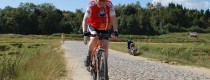
The Niujie Ancient Tea Horse Road (牛街茶马古道) preserves approximately 1.3 kilometers of stone-paved lanes through the old settlement. Traditional houses, small shops, hot spring outlets and historic courtyard gates line the route, while old paving stones reflect centuries of caravan movement between Dali, Jianchuan and Lijiang.
A traditional market is normally held every Thursday, bringing together Rushan cheese, rose jam, hot spring eggs, seasonal vegetables, highland fruit and Bai household products. Morning is the best time to visit, when local trading activity is at its liveliest.
The Wendeng Ancient Stage (文登古戏台) and Kuige Pavilion (魁阁) are important examples of Bai architecture and community culture. The stage was historically used for Dongjing music, Bai folk songs and the Crane Dance. Nearby, several historic residences—including the Zhu Family Courtyard (朱家大院), Du Family Courtyard (杜家大院), Shibei Li Family Courtyard (石碑李家大院), Tian Family Courtyard (田家大院) and Liandu Li Family Courtyard (炼渡李家大院)—display traditional layouts such as “Three Rooms and One Screen Wall” and “Four Compounds and Five Courtyards.”
Other cultural sites include Qingyun Academy (庆云书院), the Lan Clan Ancestral Hall (蓝氏宗祠) and the April 28 Revolutionary Memorial (4·28革命纪念碑). These places reflect the educational, clan and modern historical development of the township. Some buildings remain private or community-managed, so visitors should ask permission before entering.
Viewpoints, Art Spaces and Mountain Attractions
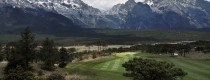
The Wohugang Viewpoint (卧虎岗观景台) overlooks the entire Niujie basin, including rice fields, village rooftops, hot spring settlements and surrounding mountains. Autumn offers golden farmland, while spring provides fresh green fields and clearer village landscapes. Nearby lanes around Gonghedian (共和店) retain traces of old caravan inns and are suitable for architectural photography.
Bantang Inside-Out Art Museum (半塘·里外美术馆) combines traditional Bai architectural elements with contemporary exhibitions and creative rural spaces. It is a popular stop for travelers seeking a quieter cultural experience between hot spring sessions.
Xiangyun Temple (祥云寺) stands in an elevated mountain location and offers views over the surrounding countryside. The route may include uneven paths, so comfortable walking shoes are recommended.
A short drive from Niujie leads to Niaodiao Mountain (鸟吊山), known for highland meadows, seasonal flowers and broad mountain views. A commonly used walking route is approximately seven kilometers and is generally gentle, although fog, rain and rapid weather changes remain possible. Haixihai Lake (海西海) offers highland lake and farmland scenery, while Mianlong Cave (眠龙洞) combines natural features with legends associated with the Jianwen Emperor.
Nearby destinations such as Cibi Lake (茈碧湖), Fengyu Ancient Town (凤羽古镇) and Eryuan West Lake (洱源西湖) can be added to a self-driving journey, allowing travelers to combine geothermal scenery with wetlands, Bai villages and historic architecture.
Recommended High-End Hot Spring Retreats
Fanshan Yu Hot Spring Guesthouse (梵山鱼温泉民宿) is one of Niujie’s most distinctive boutique properties. Its dedicated geothermal well reaches approximately 120 meters underground and supplies water independently to the guesthouse. Contemporary white architecture, panoramic windows, private pools, a viewing tea room and a quiet courtyard make it suitable for couples and wellness travelers seeking privacy.
Pushan Wilderness Forest Hot Spring (朴山野奢森林温泉) occupies a renovated century-old Bai residence in a forest setting. The property combines historic architecture with private courtyard pools, outdoor projection equipment and quiet communal spaces, making it suitable for retreats, small groups and extended stays.
Yanqige Hot Spring Guesthouse (岩栖阁温泉民宿) stands near Wohugang in a traditional timber building. Its panoramic public pools, long viewing corridor and historic Bai atmosphere appeal to travelers interested in architecture and mountain scenery.
Que CHILL HOTEL Niujie (雀CHILL HOTEL牛街店) uses a Japanese-inspired minimalist design and provides courtyard bathing, personalized service and carefully designed public areas. It is especially popular with couples and friends seeking a stylish short holiday.
Recommended Mid-Range Private Hot Spring Guesthouses
Gengyun Mountain Mineral Hot Spring (耕云丨山野之极·原矿温泉) offers private guestroom pools, a rooftop scenic swimming pool and broad views over the fields and mountains. Its modern design and open landscape make it particularly suitable for photography.
Xunyun Mountain Villa (寻云山庄) is a small hillside guesthouse with only a few rooms, each providing an outdoor private pool. The quiet garden, shared swimming pool and home-style Bai meals make it a strong choice for families and small groups.
Yecaoquan Hot Spring Guesthouse (野草泉温泉民宿) is a sunny rural courtyard property with a large communal pool, private bathing areas and barbecue facilities. It works well for friends or guests seeking a relaxed countryside stay.
Xiangnan Natural Mineral Hot Spring Guesthouse (向南·天然原矿温泉民宿) combines smart room controls, projection equipment, rooftop views and guest parking. Its contemporary facilities are particularly convenient for self-driving visitors.
Yixiyun Hot Spring Guesthouse (一溪云温泉民宿) has several landscaped pools, a restaurant and family-oriented recreation facilities. It is suitable for multigenerational families or groups requiring more complete on-site services.
Budget-Friendly Accommodation and Local Bathing
Yufeng Hot Spring Hotel (玉峰温泉酒店) is a long-established hotel near the township government. Its central location makes it convenient for restaurants, markets and transportation, while its standard guestrooms suit travelers making a short overnight stop.
Lanting Hot Spring Guesthouse (兰亭温泉民宿) and Tangquan Residence Guesthouse (汤泉居民宿) provide newer facilities and selected rooms with private indoor bathing. They are practical options for solo travelers, students and guests seeking simple accommodation.
Travelers interested in local bathing culture rather than hotel accommodation may visit the Liandu Public Bathhouse, although facilities are communal and considerably more basic than those of private guesthouses.
How to Get to Niujie Township
Driving is the most convenient way to reach Niujie. The journey from Dali Ancient City covers approximately 60 kilometers and usually takes around one hour. From Lijiang Ancient City, the distance is about 110 kilometers and the drive takes around two hours. Shaxi Ancient Town is approximately one hour away, making Niujie a practical overnight stop between the major historic towns of northwestern Yunnan.
Travelers using public transportation can take a long-distance bus from Dali Xiaguan North Bus Station (大理下关客运北站) to Eryuan County Bus Station (洱源县客运站) and then transfer to a rural minibus bound for Niujie. Many guesthouses and attractions are within walking distance of the township center, but rural buses may finish early and app-based taxi services are limited.
Best Time to Visit
Winter, from December to February, is the main hot spring season. The air is cool and relatively dry, making private-pool bathing particularly comfortable, although early-morning fog can affect mountain roads.
Spring brings flowers, green fields and fewer visitors, but rain can make old stone lanes slippery. Summer offers cooler mountain temperatures than Dali and Lijiang, with village walks during the day and hot spring bathing in the evening. Autumn is the best all-round season for photography, with golden fields, clearer mountain views and comfortable weather.
One-Day Hot Spring Tour from Dali
Leave Dali Ancient City in the morning and drive to Niujie. Begin at the Huoyanshan Natural Spring before visiting Wohugang Viewpoint and Bantang Inside-Out Art Museum. After a Bai-style lunch in the township center, reserve a private hot spring pool and spend the afternoon bathing and walking through the nearby countryside. Return to Dali before dark, particularly during winter or rainy weather.
Two-Day Niujie Wellness Retreat
On the first day, arrive in Niujie and check into a private hot spring guesthouse. Spend the afternoon walking through Liandu, Wendeng Ancient Stage and the Ancient Tea Horse Road before returning for an evening courtyard bath. Dinner can include Bai home-style cooking or local barbecue, followed by stargazing when the weather is clear.
On the second morning, visit the local market, especially when traveling on a Thursday, and purchase Rushan cheese, rose jam or seasonal produce. Continue to Wohugang for panoramic views, have a hot spring tofu lunch and then depart for Shaxi, Jianchuan or Lijiang.
Northwestern Yunnan Self-Driving Route
A recommended route is Dali Ancient City – Niujie Township – Shaxi Ancient Town – Jianchuan Ancient Town – Lijiang Ancient City. Staying one night in Niujie allows travelers to rest between longer driving sections while experiencing a quieter side of Bai culture and rural Yunnan.
Niujie Food Guide
The best-known local specialty is the Hot Spring Egg (温泉汽磺蛋), which is slowly cooked using naturally heated geothermal water. Visitors may prepare eggs at designated outlets when local residents confirm that conditions are safe.
Geothermal-Steamed Chicken (温泉炖土鸡) is cooked slowly using stable geothermal heat, producing tender meat and a light broth. The Hot Spring Tofu Banquet (温泉豆腐宴) features handmade tofu and mild home-style dishes prepared using warm geothermal water.
Other local foods include the fully cooked version of Niujie Shengpi (牛街生皮), Erhai Hot-and-Sour Fish (洱海酸辣鱼), clay-pot meat, seasonal mountain vegetables, pea flour soup, chicken-broth Ersi and Bai-style barbecue with sour and spicy dipping sauce.
Safe Hot Spring Bathing
Wait at least one hour after eating before entering a hot spring and avoid bathing when hungry, overly full or after drinking alcohol. Shower beforehand, remove metal jewelry and drink water to prevent dehydration.
Enter the pool gradually and begin with a lower temperature. Keep the water below the chest if sensitive to heat or blood-pressure changes. High-temperature pools should only be used briefly, while ordinary bathing sessions should remain moderate, with rest periods between each entry.
Leave the water immediately if dizziness, nausea, chest discomfort or unusual weakness occurs. After bathing, rinse briefly with warm water, apply moisturizer and rest before driving or exercising.
Hot spring bathing may be unsuitable for people with serious cardiovascular conditions, uncontrolled hypertension, open wounds, contagious skin diseases or acute illness. Pregnant travelers and people taking blood-pressure medication should seek medical advice, while children and older visitors must remain under close supervision.
Packing and Practical Travel Tips
Bring a swimsuit, non-slip slippers, drinking water, a towel and moisturizer. A light jacket is necessary because mountain temperatures fall quickly after sunset. Sunscreen, a folding umbrella, insect repellent and waterproof walking shoes are useful for countryside and mountain visits.
During winter, fog may reduce visibility on mountain roads, while spring and summer rain can make stone lanes and rural roads slippery. Avoid arriving late at night and download offline navigation before exploring remote villages.
Private hot spring rooms are in highest demand during winter, weekends and public holidays. Before booking, confirm whether the pool is completely private, whether genuine geothermal water is supplied, whether the pool is cleaned between guests and whether parking is available.
Natural spring outlets are generally free local landmarks rather than developed attractions. They should never be treated as ordinary bathing pools, and visitors should avoid touching the water or approaching unprotected vents.
A one-day trip is sufficient for the main village and a private bathing session, while a two-day stay allows time for the market, historic courtyards, viewpoints, local food and evening hot springs. For travelers driving between Dali and Lijiang, Niujie offers a convenient and peaceful wellness stop away from the busiest tourism centers.