Duan Wenxin - Artist of Bai Folk Art in Yunlong County, Dali

Duan Wenxin - Artist of Bai Folk Art in Yunlong County, Dali

Duan Wenxin: A Multifaceted Master of Folk Arts from Yunlong County, Dali

Basic Background and Learning Journey

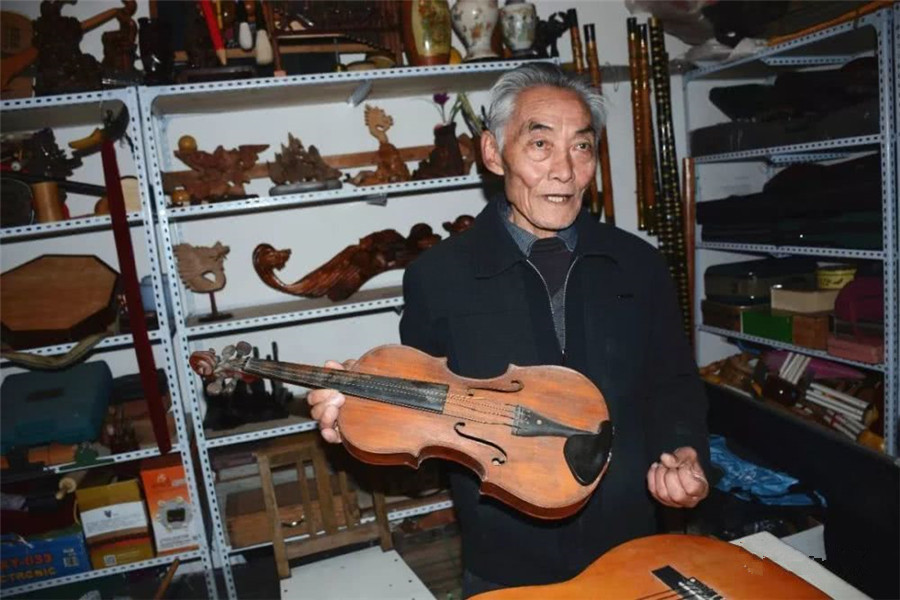
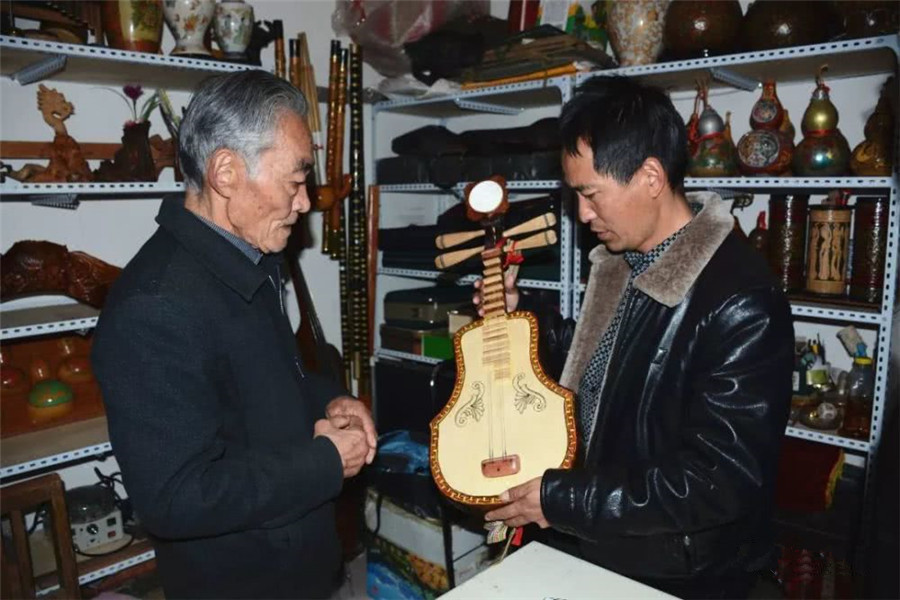
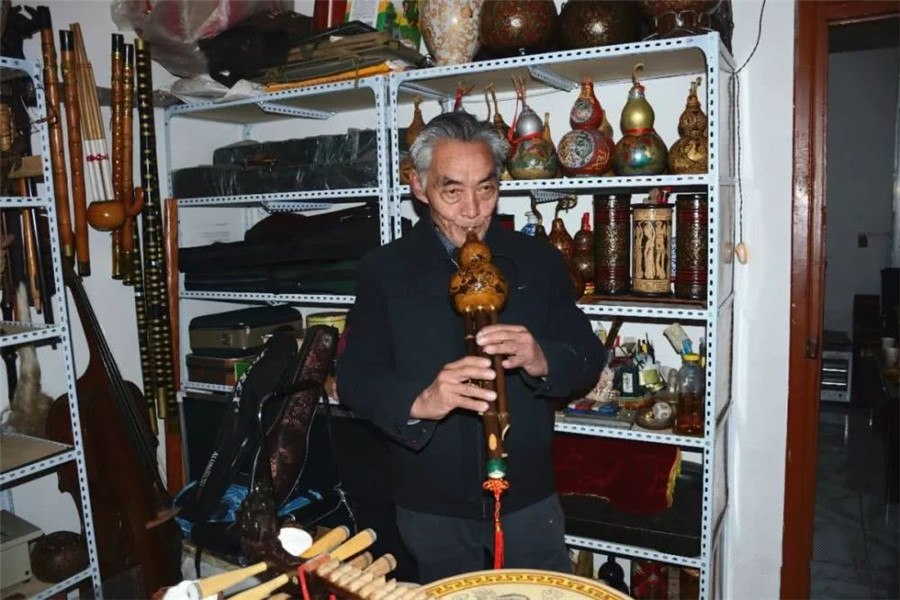
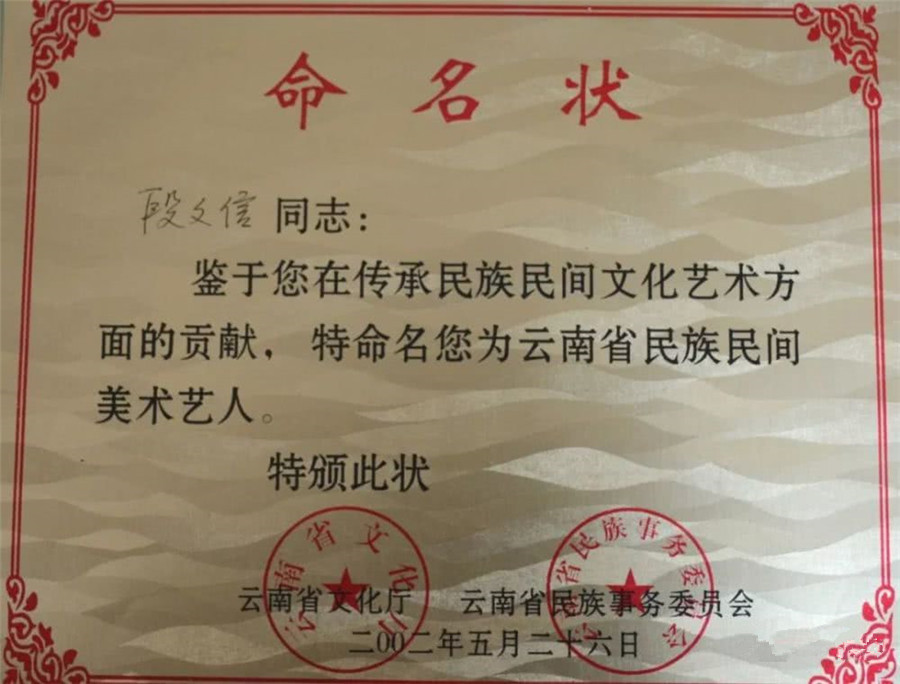
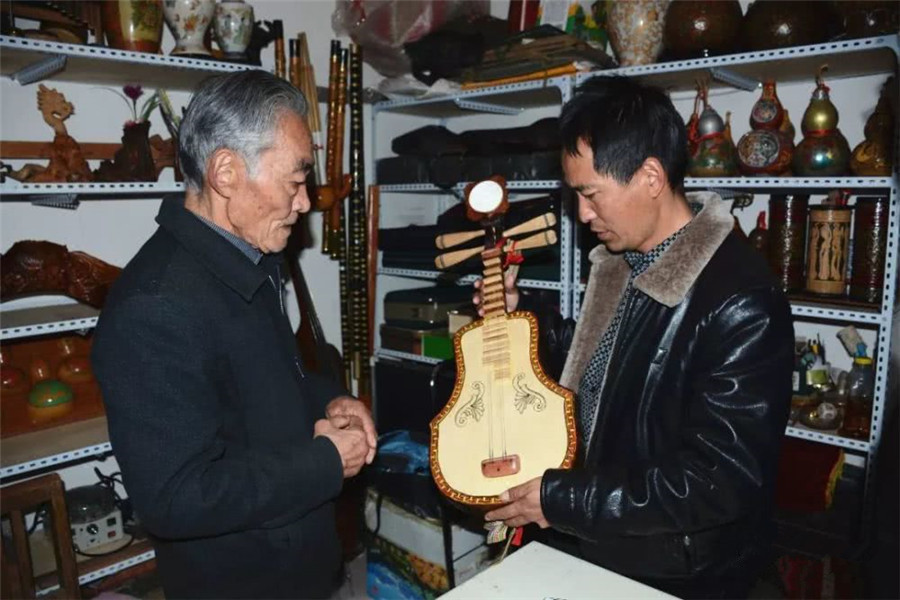
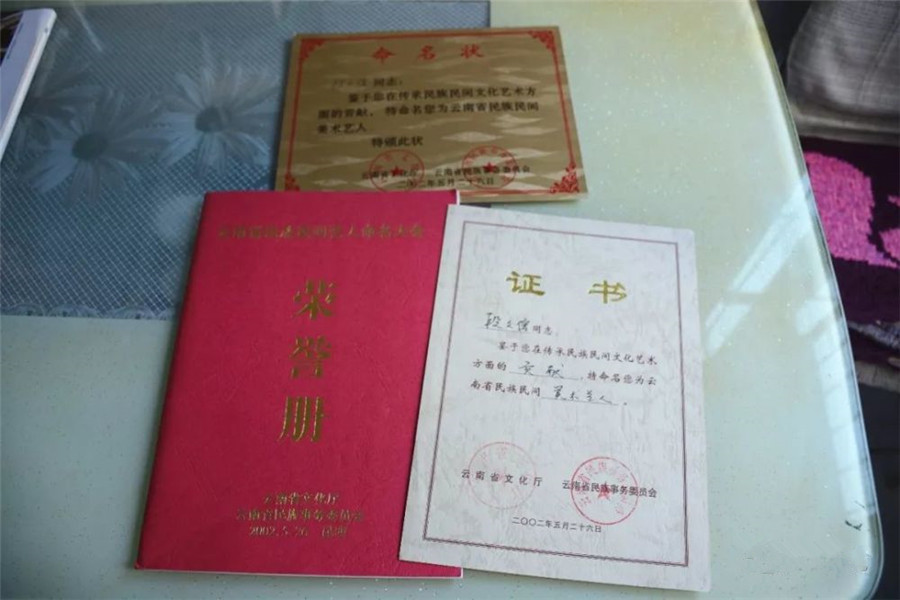
​Duan Wenxin (段文信)​​, a ​​Bai ethnic male (白族男性)​​ born in ​​1946 (1946年)​​ in ​​Qinglang Township, Cangjian Town, Yunlong County, Dali Prefecture, Yunnan Province (云南省大理州云龙县漕涧镇清朗乡)​​, is a ​​second batch of provincial-level intangible cultural heritage representative inheritor (第二批省级非物质文化遗产代表性传承人)​​ (recognized in 2002) for ​​folk arts (民间艺术)​​. A self-taught polymath, he excels in stone and wood carving, paper-cutting, and musical instrument making—particularly renowned for his ​​huqin (胡琴) craftsmanship​​. His marble carvings dot local villages, while his wooden carvings and door plaques are cherished across Yunlong. As a provincial inheritor, his lifelong dedication has enriched Yunlong’s cultural heritage and advanced the preservation of traditional crafts in Dali.

Learning Journey: From Self-Taught Curiosity to Master Craftsman

Duan’s artistic path was shaped by passion, necessity, and regional culture:

  • ​Childhood (童年时期)​​: At age 7 (second grade), he joined the school lantern troupe, sparking interest in music. He crafted his first short flute from fire tongs, revealing early talent for instrument making.
  • ​Adolescence (青少年时期)​​: In 1961 (junior high), he encountered a violin brought by a Beijing teacher. Fascinated, he taught himself to play and later built a replica—showcasing self-directed learning and creativity.
  • ​Professional Training (专业学习期)​​: Graduating from Dali Normal School in 1967, he gained foundational music and art skills, though formal lessons were limited. This period solidified his technical base.
  • ​Career Development (职业发展期)​​: Assigned to Yangbi County, he worked as a music and art teacher across schools. With limited access to store-bought instruments, he began crafting his own—violins, huqins, and more—to meet demand, honing his skills through practice.
  • ​Artistic Maturity (艺术成熟期)​​: Over decades, he mastered diverse instruments (from huqins to cellos, flutes to suona) and expanded into stone/wood carving and paper-cutting, becoming a local legend for his versatility.

Artistic Characteristics and Representative Works

Technical Features: Mastery Across Disciplines

Duan’s artistry spans three domains, each marked by precision and innovation:

  1. ​Musical Instrument Making​​:
    • ​Material Selection​​: For huqins, he uses premium woods (rosewood for high-end, tung wood for standard) and selects only naturally dried python skin (neck skin for its even texture and resilience).
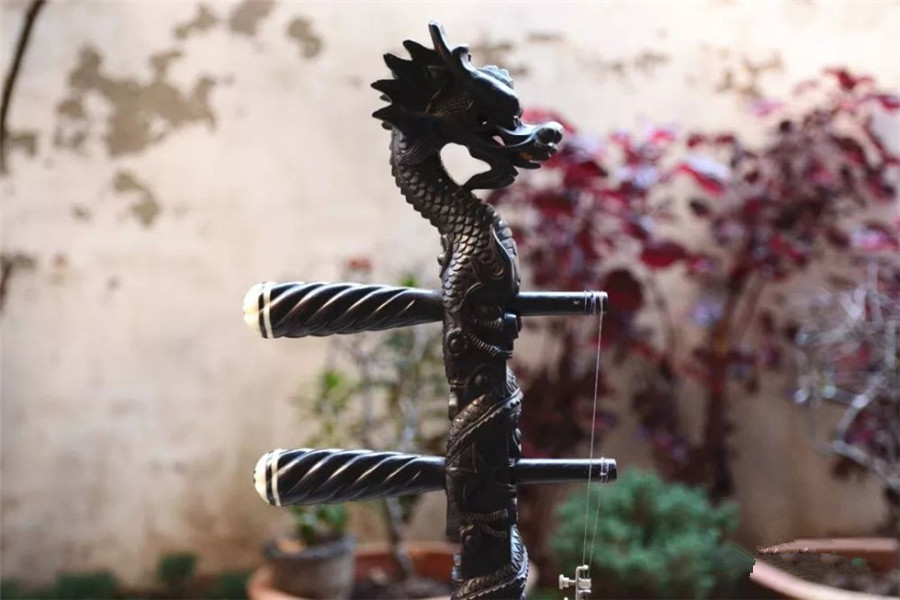
    • ​Craftsmanship​​: Each huqin takes over a month to make, involving over 20 steps—selecting wood, carving the resonator, stretching snake skin, shaping the scroll, and assembling.
    • ​Sound Quality​​: His instruments are celebrated for their rich, resonant tones, with top-tier huqins fetching ¥50,000–60,000 and mid-range pieces ¥2,000–3,000.
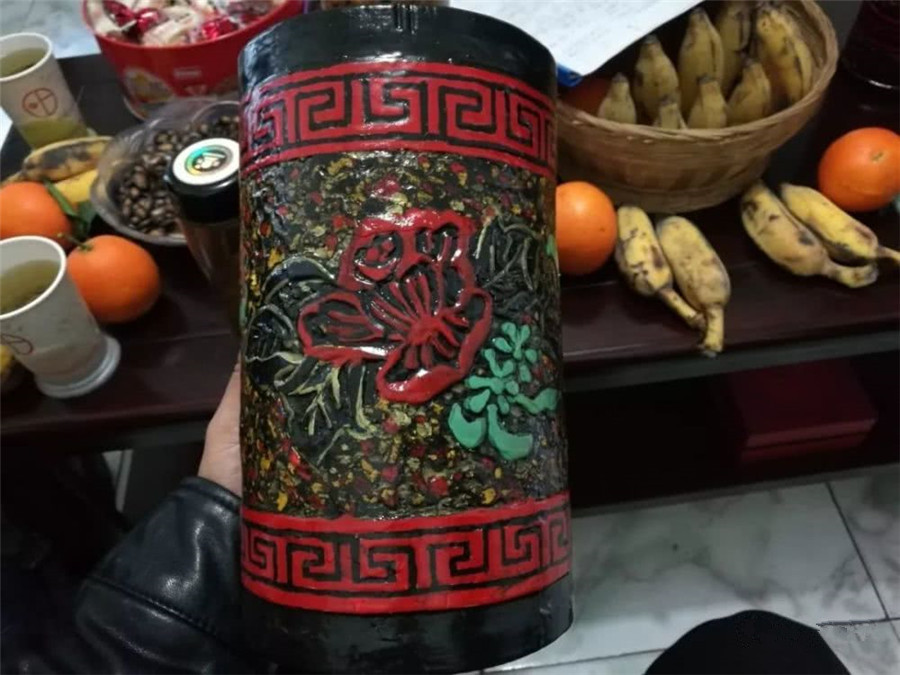
  2. ​Stone and Wood Carving​​:
    • ​Themes​​: Drawn from Bai folklore and local life—figures, animals, flowers—infused with ethnic charm.
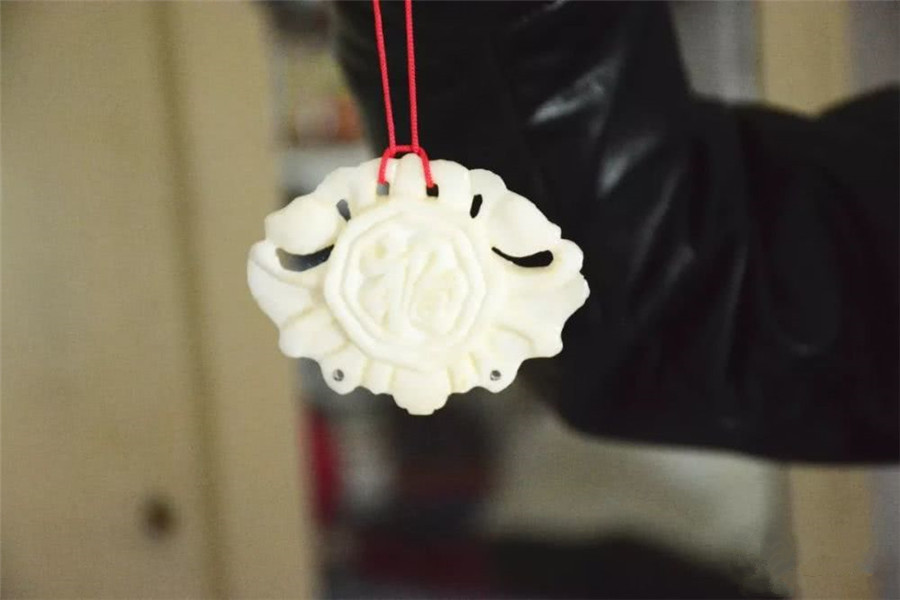
    • ​Techniques​​: Combines carving, engraving, and polishing to highlight material textures, balancing artistry with functionality (e.g., decorative furniture, household items).
  3. ​Paper-Cutting​​:
    • ​Purpose​​: Integral to local weddings and festivals, his designs (butterflies, camellias, bees) symbolize love, prosperity, and fortune.
    • ​Style​​: Fluid lines, "unbroken connections," and auspicious motifs reflect Bai aesthetic traditions.

Representative Works: Echoes of Yunlong’s Soul

Duan’s legacy is etched into both functional art and cultural symbols:

Work Type Examples Features Significance
​Huqin Series​ Rosewood Huqin, Ebony Huqin Premium materials, exquisite craftsmanship, rich tone Local cultural icons; prized by musicians and collectors
​Orchestral Instruments​ Violins, Cellos, Sanxian (三弦) Structurally sound, balanced sound; adaptable to diverse musical styles Enriched local instrument diversity; supported folk music development
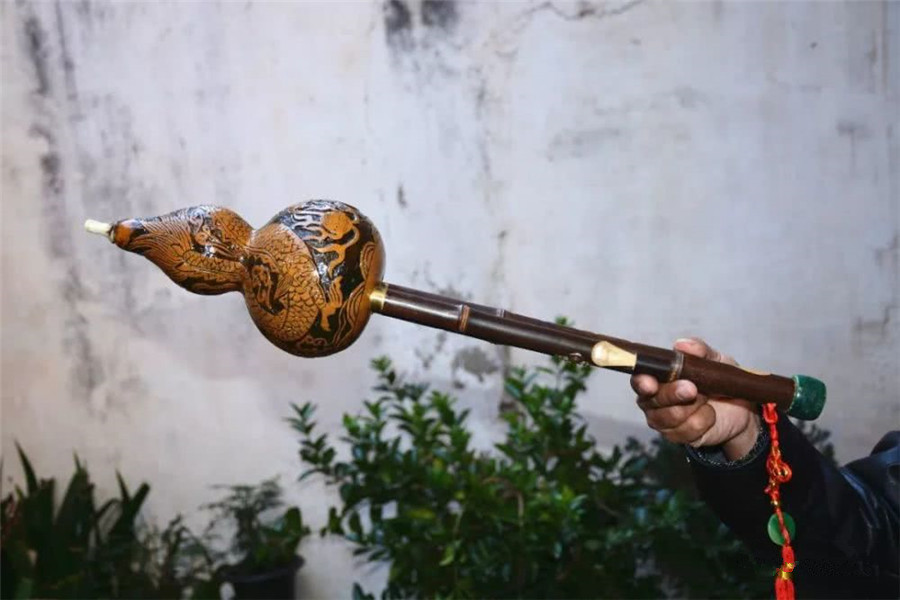
​Wind Instruments​ Hulusi (葫芦丝), Flutes Precise intonation, mellow timbre; elegant appearance Popularized ethnic wind instruments; aided folk music transmission
​Stone/Wood Carvings​ Figure/Animal Sculptures Rustic yet refined; celebrates Bai life and nature Preserved traditional carving techniques; enhanced local artistry
​Paper-Cuts​ Wedding Window Decor Auspicious motifs, fluid lines; used in rituals Sustained Bai wedding customs; added cultural vibrancy

Cultural Contributions to Yunlong

Safeguarding a Rural Craft Legacy

In an era of industrialization, Duan’s handcrafted instruments and artworks preserved Yunlong’s intangible heritage. His "making-do" approach—born of material scarcity—deepened his understanding of materials, ensuring techniques remained authentic.

Bridging Generations Through Teaching

Though not a formal mentor, Duan shared his skills freely:

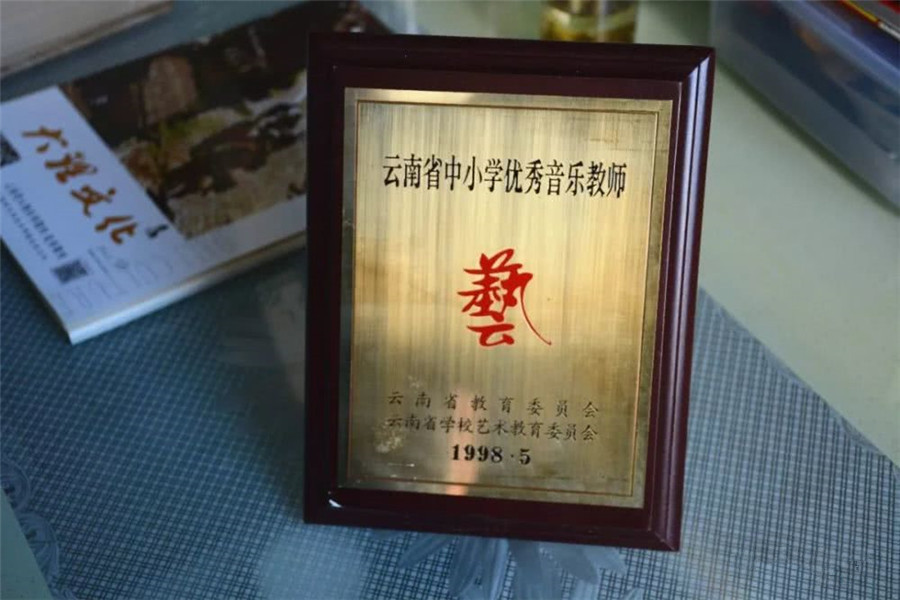
  • ​Schools​​: As a teacher, he integrated music and art into curricula, nurturing young talent.
  • ​Community​​: He demonstrated techniques at local events, inspiring hobbyists and ensuring traditions stayed alive.

Spreading Yunlong’s Culture

His works are displayed at "March Street" fairs and local museums, while his instruments feature in regional performances. Media coverage has elevated Yunlong’s cultural profile, attracting tourists and researchers.

Cultural Context of Folk Arts in Yunlong

Roots in Multiculturalism

Yunlong, with 25 ethnic groups (87.88% minority), is a cultural melting pot. Duan’s art reflects this diversity—Bai, Han, Yi, and Lisu influences blend in his instruments, carvings, and paper-cuts.

More Than Craft

Folk arts in Yunlong are cultural anchors:

  • ​Identity​​: Decorated homes and instruments signal local pride.
  • ​History​​: Patterns and motifs narrate migration, agriculture, and community.
  • ​Economy​​: Once vital for daily use, they now drive cultural tourism.

Current Challenges and Preservation

Challenges

  • ​Aging Artisans​​: Few elders teach formally; youth prioritize modern careers.
  • ​Market Pressures​​: Mass-produced goods undercut handmade pieces.

Protective Efforts

  • ​Official Recognition​​: Yunlong’s folk arts are in ​​Dali Prefecture’s intangible heritage catalog​​, with Duan as a key inheritor.
  • ​Community Support​​: Local NGOs and the county fund workshops and e-commerce promotion.
  • ​Education Integration​​: Schools include traditional crafts in curricula, engaging youth.

Conclusion

Duan Wenxin is more than a craftsman—he’s a ​​weaver of Yunlong’s cultural tapestry (云龙文化的精神守护者)​​. His hands, guided by 70 years of passion, have preserved instruments, carvings, and paper-cuts that define his homeland. As a provincial inheritor, he proves that tradition thrives when shared—ensuring Yunlong’s folk arts will resonate for generations.To learn more, contact the ​​Yunlong County Culture and Tourism Bureau (云龙县文化和旅游局)​​ or visit Qinglang Township to witness Duan’s craft and Yunlong’s living heritage.


Related Categories