7 Days GolfingTour
 8 Days Group Tour
 8 Days Yunnan Tour
 7 Days Shangri La Hiking
 11 Days Yunnan Tour
 6 Days Yuanyang Terraces
 11 Days Yunnan Tour
 8 Days South Yunnan
 7 Days Tea Tour
 8 Days Muslim Tour
 12 Days Self-Driving
 4 Days Haba Climbing
 Tiger Leaping Gorge
 Stone Forest
 Yunnan-Tibet
 Hani Rice Terraces
 Kunming
 Lijiang
 Shangri-la
 Dali
Dali
 XishuangBanna
 Honghe
 Kunming
 Lijiang
 Shangri-la
 Yuanyang Rice Terraces
 Nujiang
 XishuangBanna
 Spring City Golf
 Snow Mountain Golf
 Stone Mountain Golf





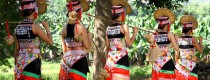




Mizhi Festival of Sani Ethnic People in Shilin County, Kunming
The Mizhi Festival (密枝节), also known as the Mizhi Worship Ceremony (祭密枝), is a traditional folk festival celebrated by the Sani branch of the Yi ethnic group in the southern Yunnan region. The festival is held annually, beginning on the first Rat Day of the Lunar November, lasting for seven days. It is an important cultural and religious event marked by ceremonies and customs, including rituals to honor the Mizhi God.
Overview
Alternative Names
Mizhi Festival (密枝节)
Mizhi Worship Ceremony (祭密枝)
Popular Regions
Yi communities in Southern Yunnan, especially in Lunan (路南) and surrounding areas.
Festival Duration
Lunar November 1st to 7th (dates vary each year)
Rituals and Customs
Sacrifice and Prayer Ceremonies
Cultural Gatherings and Festive Celebrations
Origin and Transmission
The Mizhi Festival has deep historical roots in the Yi people’s traditions, particularly the Sani sub-group. It is said to be a commemoration of the Yi ancestors’ deep connection with nature and the protection provided by the Mizhi God (密枝神).
The festival’s core ritual involves a sacred ceremony where a designated priest (Bimo) leads the men of the village in a procession into the Mizhi Forest (密枝林) to offer prayers and sacrifices, including white sheep, goats, pigs, and chickens. These sacrifices honor the Mizhi God and seek blessings for the well-being and prosperity of the community.
Rituals and Celebrations
The Mizhi Festival includes several distinctive rituals, such as:
Sacrifice Ceremony: The priest and villagers enter the Mizhi Forest early in the morning, where they conduct a purification ritual at the Sacred Tree (神树). The sacred Mizhi God statue is reverently washed and adorned with colorful silk threads.
Offering Food: The men of the village prepare food offerings, which are shared among the participants. Traditionally, the food is eaten communally, and a portion is set aside to be taken home and shared with family later in the evening.
Cultural Activities: The festival also includes dance, music, and wrestling competitions. Songs and folk dances are performed to celebrate the harvest and honor the Mizhi God.
Forest Protection Rituals: In some villages, the men also engage in mountain driving (撵山), a practice where they chase wild animals out of the forest, ensuring the sacred land is kept free from harm. This is believed to protect the Mizhi Forest from pests and invaders.
Cultural Significance
The Mizhi Festival serves as an important social and cultural event for the Sani Yi people. It is a time to reaffirm the community’s spiritual connection with nature and the protection they receive from the Mizhi God. The festival also plays a role in reinforcing the moral values of the community, including respect for elders, spiritual leaders, and the natural world.
The Mizhi Festival is not just a religious observance, but also an opportunity for socialization and the continuation of ancient traditions. It strengthens community bonds and allows the villagers to come together to celebrate their shared cultural heritage.
Myths and Legends
Myth 1: The Smart Shepherdess
One legend recounts the story of Mizhi Sima (密枝斯玛), a wise and beautiful shepherdess who saved the Sani people’s livestock from a devastating hailstorm. As the storm approached, Mizhi Sima managed to guide the sheep into the safety of the Mizhi Forest, thus sparing the herd and ensuring the survival of her people. To honor her wisdom and bravery, the Mizhi Festival was established.
Myth 2: The Tragic Lovers
Another legend tells of a pair of lovers who danced wildly in the Mizhi Forest for seven days and nights. Their passionate dance ended tragically with their deaths, after which they were transformed into trees. From that moment on, any misfortune in the village was attributed to the spirits of the two lovers. In an effort to placate their restless spirits, the villagers began performing sacrifices and rituals in the Mizhi Forest.
Cultural Traditions
The Mizhi Festival reflects the Sani Yi people’s deep respect for the Mizhi Forest as a sacred space. The Mizhi Forest is considered a divine, untouchable realm where all plants, animals, and natural features are believed to be sacred. Violation of this sanctity is considered a grave offense, and the community collectively ensures that no one harms the forest or its inhabitants.
During the festival, the village priest (Bimo) leads the men in rituals, including the Stone Doll Ceremony. The Stone Dolls are sacred objects, kept in a hidden cave, and are brought out to be cleansed and re-consecrated each year.
Prayers and Offerings
The Bimo (village elder or priest) recites prayers and blessings to ensure a prosperous year ahead. The men of the village engage in discussions, evaluate the actions of individuals, and offer praise or criticism as needed.
Mountain Driving
The Mizhi Festival also includes the Mountain Driving event, where the village men split into groups, armed with wooden sticks, bamboo poles, and even gunpowder guns. They make loud calls and chase wild animals from the forest to protect the sacred trees and ensure the forest remains undisturbed.
Modern-Day Celebrations
With the changing times, the Mizhi Festival has adapted to modern tourism and cultural exchange. In Qiubei County (丘北), near the Puzhehei Scenic Area (普者黑), the festival has expanded to include vibrant performances, wrestling matches, and bullfighting contests. The festive atmosphere attracts both locals and tourists, creating a lively space for cross-cultural exchange. Visitors from around the world are invited to participate in the celebrations and experience this unique aspect of Yi culture.
Mizhi Festival of the Sani People in Nuohai Village
The Mizhi Festival (密枝节) is a deeply rooted traditional festival of the Sani people in Nuohai Village (糯黑村), located in Guishan Town (圭山镇) within Shilin Yi Autonomous County (石林彝族自治县) of Kunming (昆明), Yunnan Province (云南省). This annual event is recognized as a city-level intangible cultural heritage and is a significant part of Ashi Ma Culture (阿诗玛文化), with strong religious, cultural, and ecological significance.
Festival Overview
Duration
The Mizhi Festival takes place during the Lunar Winter Month, specifically from the first Rat Day to the first Horse Day (农历冬月第一个属鼠日至属马日), which in 2025 will occur from November 22-28, lasting for seven days.
Location
The festival is celebrated in the Mizhi Forest (密枝林) of Nuohai Village, located 200 meters southeast of the village. The entrance is marked by a stone Tiger Head Gate.
Nature of the Festival
This is a male-exclusive sacrificial event celebrated annually by the Sani people. The festival is also an important element of Ashi Ma Culture and a city-level intangible cultural heritage. It symbolizes the Sani people’s deep connection to nature and community.
Core Rituals
Ritual Preparation
Selection of the Mizhi Leader:
-
The Mizhi Leader (密枝翁) is chosen through a divination process to serve as the chief priest (密枝翁玛) and is responsible for leading the sacrificial rites.
Cleaning of the Mizhi Forest:
-
Male villagers clear the Mizhi Forest, setting up a stone slab altar to offer symbolic sacrifices, such as a stone tiger or pebbles, representing the Mizhi deity.
Ritual Process
Bimo Chanting:
-
The Bimo (毕摩), a spiritual leader, recites the Mizhi Sutra (密枝经) in Sani language to show gratitude to the land god Mizhi Sima (密枝斯玛) for protecting the village.
Animal Sacrifice:
-
A white sheep or white pig is sacrificed to seek blessings for the safety of both people and animals, as well as for a bountiful harvest.
Sacred Rules:
-
Women are strictly forbidden from entering the Mizhi Forest, and cutting trees in the forest is prohibited year-round.
Community Activities
Male Celebration:
-
After the religious rituals, the men gather for wild cooking, drinking, and to vent their emotions (such as discussing family issues).
Ecological Protection:
-
The Mizhi Forest, known as the “sacred forest,” plays an essential role in maintaining the village’s ecological balance, with a high forest cover that sustains local biodiversity.
Cultural Significance
Legendary Origins
The festival commemorates the legendary shepherd Mizhi Sima, who is believed to have saved the village’s sheep from a disastrous storm.
Alternatively, some believe the festival is a tribute to Anni, a young woman who resisted oppression and transformed into a white fox, guarding the Mizhi Forest.
Gender Culture
Scholars suggest that the Mizhi Festival reflects remnants of the matriarchal society, where men use the event as a release for emotional expression and community bonding.
Modern Development
Intangible Heritage Preservation
The Mizhi Festival was included in the Yunnan Provincial Intangible Cultural Heritage List in 2006, and now serves as a vehicle for ethnic unity and cultural exchange.
Cultural and Tourism Integration
The festival has evolved to incorporate folk experiences during the celebrations, such as cock fighting, chicken catching, and Guishan lamb soup pot banquets, allowing visitors to engage with traditional Sani customs.
Participation Guidelines
Transportation
Nuohai Village is about 2 hours by car from Kunming. The village features a Yi Cultural Museum where visitors can learn more about local traditions.
Important Notes
Photography is only allowed at the entrance of the Mizhi Forest. Visitors are not allowed to enter the core areas of the forest.
Respect the gender-related prohibitions and avoid interfering with the sacred rituals.
Note: In 2025, the festival will integrate a digital intangible heritage project, offering live-streamed sacrificial ceremonies online for a wider audience.