Yunnan Guide
  • Yunnan Guide
  • Travel Tips
  • Tour Planing
  • Ethnic Culture
  • Yunnan Climate
  • Golf Courses
  • Travel Articles
  • Meige Culture of Yi Ethnic Minority

    28/08/2018Crazy Jone4197 wordsAbout 14 minutes

    The Yi Ethnic Group Meige Cultural Festival (彝族梅葛文化节) is a traditional festival of the Yi people (彝族) in Mayou Village (马游村), Guantun Town (官屯镇), Yao’an County (姚安县), Chuxiong Yi Autonomous Prefecture (楚雄彝族自治州), Yunnan Province (云南省). It is held annually on the eighth day of the tenth lunar month (Yi New Year, 彝族年).

    At the core of the festival is the chanting of the epic Meige (《梅葛》), which means “reciting ancient stories” in the Yi language. The content includes myths of creation, cosmology, love, and marriage, passed down orally from generation to generation. The festival also features mountain worship rituals, antiphonal singing of Meige, and lusheng (芦笙) dances.

    The melodies of Meige are classified into two categories: Chi Meige (赤梅葛, sorrowful and deep) and Fu Meige (辅梅葛, lyrical and melodious). Singing forms include five types: Guoshan tune (过山调, bold and resonant), Elderly Meige (老年梅葛, creation myths), Youth Meige (青年梅葛, love songs), Children’s Meige (娃娃梅葛, playful songs), and Farewell tunes (离别调, nostalgic duets).

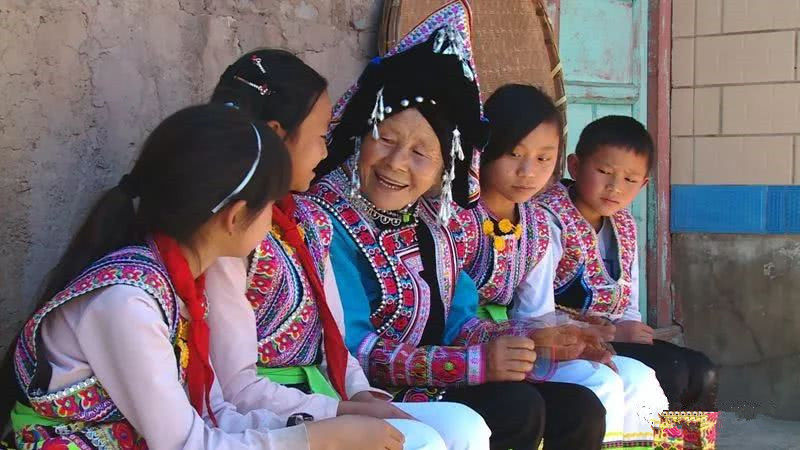
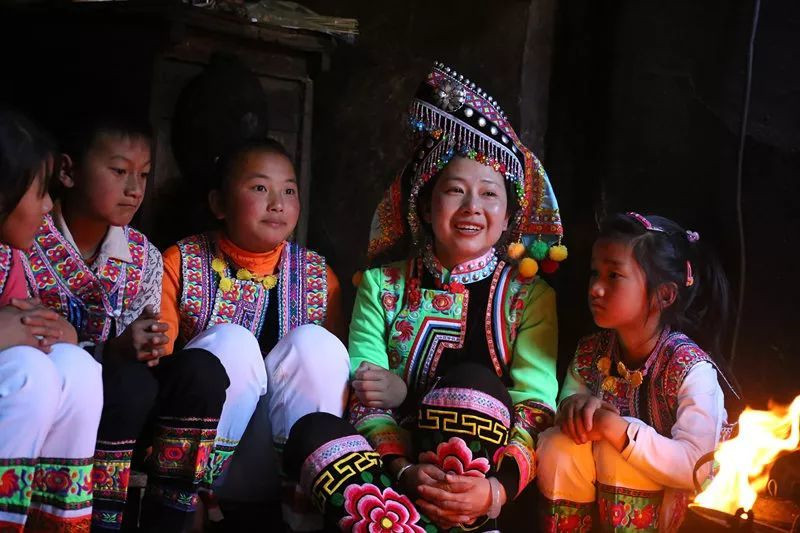
    During the three-day festival, Yi villagers wear traditional festive dress, play the sanxian (三弦), blow the lusheng, and perform continuous Meige singing, as well as folk sports, Yi embroidery, and other cultural displays.Meige Culture of Yi Ethnic Minority

    Origin of the Festival

    The Meige Cultural Festival (梅葛文化节) is a modern name. In the past, people called it Meige Gathering (梅葛会) or Duì diàozi (对调子), essentially a singing competition. Centered around Mayouping (马游坪), the birthplace of Meige, it is one of the grandest festivals in the Yi mountain areas.

    The festival originates from the myth of divine instruction through dreams. According to legend, the deity taught Meige to a young man named Duoxi (朵觋), making him half-human and half-god. The festival was established to honor this divine gift and to continue the tradition of chanting Meige.

    In 1992, the Mayou Meige Cultural Center (马游梅葛文化站) was established, restoring the tradition. In 2005, the event was upgraded into a cultural festival. In June 2008, Meige was inscribed in the second batch of China’s National Intangible Cultural Heritage list.

    Meige Culture of Yi Ethnic Minority

    Meige Epic

    The word Meige (梅葛) in Yi language means “to recount the history of the ancestors.” The Meige Epic (梅葛史诗) is divided into four parts: creation of heaven and earth, creation of all things, marriage and love songs, and funeral rituals.

    Meige must be sung in the proper Meige tunes, which are divided into:

    • Main tune (正腔): performed by priests (毕摩) or elders, loud and narrative, used in rituals or formal occasions.
    • Slow tune (慢腔): performed by young men and women, melodic and romantic, used in courtship or informal gatherings.
    • Children’s tune (娃娃腔): humorous, light, sung by children to express innocence and curiosity.

    Through these variations, Meige conveys history, customs, farming knowledge, and emotions, making it both an epic and an encyclopedia of Yi culture.

    Meige Singing Tradition

    In the past, Meige chanting was practiced during sacrifices, New Year celebrations, weddings, and funerals. Each year, on the eighth day of the second lunar month, villages would host a Meige Gathering (梅葛会). People from different mountain villages, dressed in their finest Yi costumes, would sing Meige tunes, dance the lusheng, and exchange goods.

    The festival always begins with a mountain worship ritual, led by a priest (毕摩). After the invocation, performers chant epic themes such as the creation of heaven and earth, the flood, and the passing down of humanity by siblings. Singing competitions follow, where male and female singers engage in improvised antiphonal duets. These contests test not only vocal skill but also wit and knowledge, often lasting several days and nights.

    Through such singing, young men and women also express affection, sometimes leading to lifelong unions.

    Legend

    According to legend, the Meige tradition was established by divine will. A deity, disguised as a gourd, appeared to teach the ancestors the origins of humanity and the cosmos. Through nightly dreams, the deity transmitted the verses of Meige to Duoxi (朵觋). Before departing, the deity commanded that every year on the eighth day of the second lunar month, people should chant Meige and worship the mountain gods to receive blessings.

    Since then, priests (毕摩) became custodians of the epic and ritual practices, ensuring that Meige was sung and remembered across generations.

    Modern Revival

    During the 1950s and the Cultural Revolution, Meige chanting was suppressed as superstition. It was not until 1992, with the establishment of the Mayou Meige Cultural Center (马游梅葛文化站), that the tradition revived. In 2005, the first official Meige Cultural Festival was held in Mayou Village.

    Today, the Yi Ethnic Group Meige Cultural Festival (彝族梅葛文化节) stands as both a continuation and development of the ancient Meige Gathering. It plays a vital role in preserving Yi cultural heritage, strengthening cultural identity, and showcasing Yi traditions to the world.

    ENQUIRY

    Have a question before booking? Message us to learn more.
    Click to change