Mr. Gen Dequan – The “Prince of the Hulusi” and Pioneer of Modern Hulusi Art
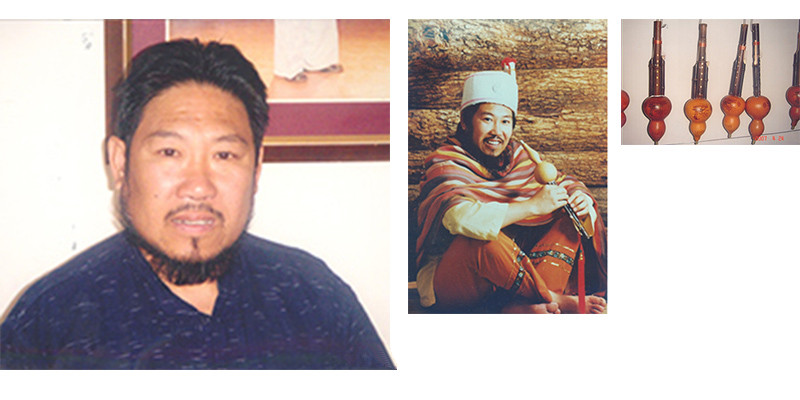
Mr. Gen Dequan (哏德全, 1958 – 2008), born in Banggai Village (also known as Banggai/Bangjie), Mengyang Town, Lianghe County, Dehong Prefecture, Yunnan Province, was a remarkable Dai ethnic artist. Revered as the “Prince of the Hulusi” and later the “King of the Hulusi,” he elevated the traditional Dai gourd flute (Hulusi) from its village roots onto the world stage, excelling as a performer, composer, instrument maker, and innovator.
? Key Information at a Glance
| Item |
Details |
| Name |
Gen Dequan |
| Ethnicity |
Dai |
| Birth & Passing |
Born July 1958, Banggai Village, Mengyang Town, Lianghe County, Yunnan; passed away in 2008 |
| Artistic Titles |
“Prince of the Hulusi,” “King of the Hulusi” |
| Major Contributions |
Standardized Hulusi making, published the first systematic textbook, composed classic works, and spread Hulusi culture worldwide |
| Representative Works |
By the Mengyang River (勐养江畔), Ancient Song (古歌), Deep in the Bamboo Forest (竹林深处), Returning Herds (牧归) |
? Artistic Journey and Achievements
Gen Dequan’s musical journey began under the guidance of his uncle, Feng Shaoxing, a renowned local Hulusi maker. Fascinated since childhood, he practiced tirelessly along the banks of the Mengyang River. Even while working at the Lianghe Sugar Factory, he used his workplace as a personal “laboratory” for honing his skills.
Key Turning Points
-
In the 1980s, he was seconded to the Yunnan Provincial Song and Dance Troupe, gaining entry into the professional music world.
-
In the 1990s, he founded the Gen Dequan Music Studio in Kunming, focusing on Hulusi teaching, making, and promotion.
Groundbreaking Contributions
-
Standardization of Instrument Making: He scientifically redesigned the Hulusi’s scale system, reed structure, and range, aligning it with the international 12-tone equal temperament system, resolving its traditional tuning and range limitations.
-
Systematization of Performance Techniques: He codified techniques such as grace notes, slides, vibrato, and circular breathing, creating the distinctive “Gen style” of performance.
-
Educational Reform: Together with Li Chunhua, he co-authored The Hulusi and Bawu Audio Tutorial—China’s first systematic textbook for the instrument, filling an educational void. His students, both in China and abroad, number in the thousands.
-
International Stage Presence: He brought the Hulusi to the Kennedy Center for the Performing Arts (USA) and collaborated with the Russian Philharmonic Orchestra, bridging Eastern folk instruments with Western symphonic traditions.
? Legacy and Influence
Beyond artistry, Gen Dequan was a true cultural torchbearer. His nephew and direct disciple Gen Congguo, as well as young performers such as Ni Kaihong, continue his mission by teaching, crafting, and performing the Hulusi in Lianghe and beyond.
Through his vision and efforts, the Hulusi evolved from a traditional Dai folk instrument into a cultural bridge connecting ethnic communities and the world. Lianghe County has since been celebrated as the “Hometown of the Hulusi.”
? Conclusion
Mr. Gen Dequan devoted his life to perfecting, innovating, and globalizing the Hulusi. With extraordinary talent, relentless dedication, and a deep love for his heritage, he breathed new vitality into an ancient instrument. His artistic legacy and cultural contributions continue to inspire and nurture generations of musicians and enthusiasts, securing his place as a true giant of ethnic music.