Chinese Name: 尼汝藏族传统文化保护区
English Name: Niru Tibetan Ethnic Culture Protection Area in Shangri-La City, Diqing
Location: Niru Village (尼汝村), Shangri-La City (香格里拉市), Diqing Tibetan Autonomous Prefecture (迪庆藏族自治州), Yunnan Province (云南省)
Elevation: 2,705 meters (8,876 feet)
Distance from Shangri-La City: 75 km
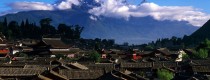
The Niru Tibetan Ethnic Culture Protection Area is located in the northeastern region of Shangri-La City, within the Diqing Tibetan Autonomous Prefecture in Yunnan Province. Known for its rich Tibetan Bon (苯教) heritage and ecological preservation, Niru is a significant cultural and natural destination. The area is located amidst the Gongga Mountain Range (贡嘎岭山脉) and is part of the Three Parallel Rivers World Heritage Site (三江并流世界自然遗产), one of the most pristine ecological areas in China.
Niru's natural landscape is characterized by its mountain-ringed topography, temperate climate, and high-altitude terrain, which together create an ideal environment for the preservation of its unique Tibetan culture and traditional livelihoods. The village remains largely untouched by modern industrial developments, preserving its original forests and natural balance.
Cultural Heritage and Religious Influence
Religious Traditions
Niru is renowned for being a preserved Bon (苯教) settlement, where Bon and Tibetan Buddhism co-exist. The Bon religion, which predates Tibetan Buddhism, is deeply ingrained in the spiritual life of the Niru Tibetan people. Bon followers in Niru practice rituals that honor natural deities such as mountains, trees, springs, and caves. A key feature of Niru's religious life is the Bon prayer flags (经幡塔) and Mani stones (玛尼堆), which are symbols of devotion and respect for nature.
Tibetan Buddhism is also present in Niru, with its influence reflected in the development of local sects such as Nyingma, Kagyu, and Gelug, as well as the formation of regional religious practices like Cangba, Angchui, and Mianweng. These religious beliefs and practices shape the daily lives of the people and contribute to the area’s profound cultural and spiritual identity.
Local Calendars and Festivals
Niru Tibetans also follow a Bon calendar based on the moon's phases, using lunar cycles to mark important agricultural and religious events. This calendar system plays a vital role in the lives of the people, guiding their rituals, festivals, and agricultural activities.
The village celebrates several traditional festivals, many of which are deeply rooted in the Tibetan Bon and Buddhist traditions:
-
Plowing Festival (开犁节): Celebrated on the 15th day of the 2nd lunar month, this festival marks the beginning of the farming season.
-
Water Deity Worship Festival (祭水神节): Held on the 15th day of the 4th lunar month, this festival honors water deities and prays for good harvests.
-
Danba Festival (丹巴节): A celebration on the 15th day of the 7th lunar month, dedicated to mountain and nature spirits.
-
Mountain Deity Horse Racing Festival (祭山跑马节): Celebrated on the 15th day of the 9th lunar month, it features horse racing in reverence of mountain gods.
Due to historical disruptions during the Cultural Revolution, some of these festivals were temporarily banned but are now being restored to preserve the area’s cultural heritage.
Economy and Livelihood
The Niru Tibetan people are primarily nomadic herders, with animal husbandry playing a significant role in their economy. Over 60% of the income of the village comes from livestock farming, and the area is home to four major pastures: Nabo, Shudu, Shugu, and Dejie. The nomadic lifestyle is integral to the community's identity and shapes their cultural practices, including the production of woolen textiles and leather goods.
Traditional Textiles and Crafts
The traditional textiles of Niru are highly regarded for their cultural significance and aesthetic value. Woolen fabrics, blankets, and leather goods, such as saddles and ropes, are essential to the daily lives of the people. Weaving and sewing are skills passed down through generations, and almost every member of the community, regardless of age or gender, can create textiles by hand. The vibrant designs and patterns reflect the nomadic heritage of the Niru people, and their craftwork is deeply embedded in the region's cultural identity.
Local Cuisine
The culinary traditions of Niru reflect the Tibetan nomadic lifestyle and include a variety of hearty, rustic dishes:
-
Butter tea (酥油茶)
-
Barley wine (青稞酒)
-
Tsampa (藏式糌粑)
-
Tibetan hotpot (藏式火锅)
These dishes are made from locally sourced ingredients and have been staples in Tibetan communities for centuries. The food culture of Niru is a vital part of the local experience, offering visitors an opportunity to taste the authentic flavors of Tibetan cuisine.
Attractions and Hiking Routes
Niru Village is a hidden gem in Shangri-La, offering an array of natural beauty and cultural experiences:
Key Attractions
-
Rainbow Waterfalls (七彩瀑布): A stunning waterfall complex that features vibrant, multi-colored streams cascading down the cliffs, creating a picturesque landscape.
-
Nanbao Pasture (南宝牧场): A beautiful alpine meadow perfect for wildlife spotting and camping. Visitors can immerse themselves in the serene, untouched nature.
-
Shudu Lake (属都湖): Connected to Potatso National Park (普达措国家公园), this tranquil lake is a must-visit for nature lovers and photographers.
-
Diji Grassland (迪吉草场): A vast hiking terrain with expansive views of the surrounding mountains and valleys, ideal for long hikes and nature exploration.
Hiking Routes
-
Niru to Rainbow Falls: A roundtrip 11 km hike, perfect for a day trip to enjoy the scenery and photography opportunities.
-
Niru to Nanbao Pasture: A 28 km overnight loop, offering an immersive experience in the alpine meadows.
-
Niru to Shudu Lake: A 21 km traverse, also an overnight trip that connects you to the stunning views of Potatso National Park.
Best Visiting Seasons
-
Spring (April - June): Ideal for witnessing the rhododendron blooms and the awakening of nature.
-
Autumn (September - November): Perfect for colorful foliage, making it a great time for hiking and photography.
Transportation
How to Get to Niru Village from Shangri-La City
-
Private Vehicle: 75 km via a direct road, taking approximately 1.5 - 2 hours.
-
Public Bus: You can take a public bus to Luojie Township (洛吉乡) and then transfer to Niru.
Accommodation
Niru offers basic Tibetan guesthouses, providing a traditional and cozy stay for visitors looking to immerse themselves in local culture. For those interested in outdoor adventures, Nanbao Pasture offers camping opportunities, but visitors should bring their own equipment.
Travel Tips
-
Practice Leave No Trace principles to preserve the area’s pristine environment.
-
Sun protection is recommended due to the high-altitude exposure.
-
Stay hydrated and allow for proper acclimatization at 2,700m elevation.
-
Respect local customs and the nomadic lifestyle of the people.