Mangdao Dai Ethnic Culture Protection Area in Jinggu County, Puer
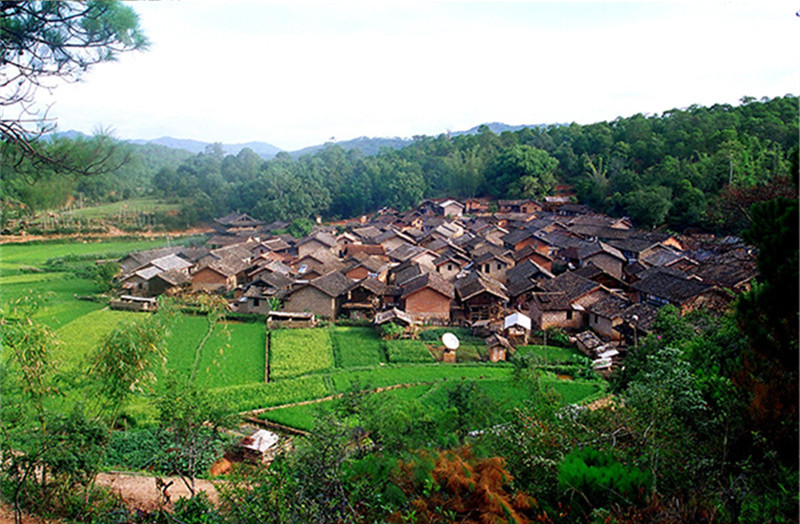
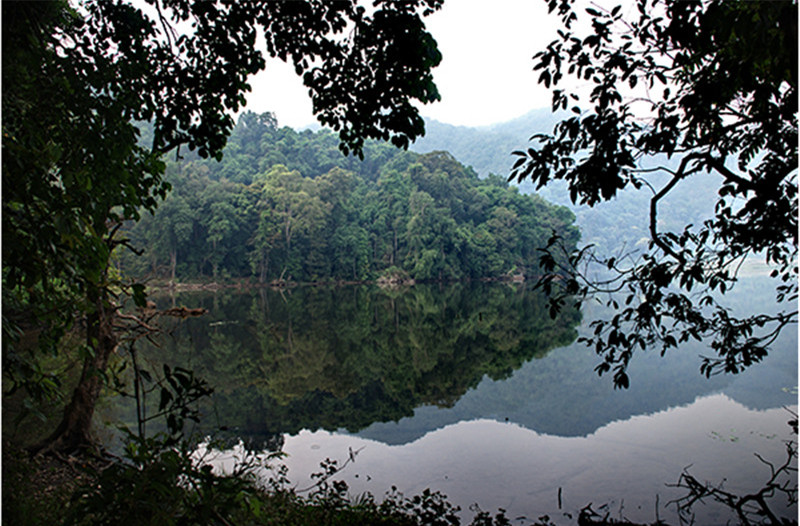
Mangdao Natural Village (芒岛自然村) belongs to Maomi Village Committee (茂密村民委员会), Yongping Town (永平镇), Jinggu Dai and Yi Autonomous County (景谷傣族彝族自治县), Pu’er City (普洱市), Yunnan Province (云南省). It is located in the mountainous southwest of the town, 7 km from the village committee and 27 km from the town government.
The village covers an area of 1.29 km² at an elevation of 1,330 meters, with an average annual temperature of 18.2 ℃ and annual rainfall of 1,530 mm. Mangdao has 59 households with a total population of 250, all Dai (傣族).
The village has 497 mu of arable land and 1,420 mu of forest. It is suitable for growing grains, sugarcane, tea, and silkworm mulberry. In 2010, the total rural economic income was 830,000 yuan, with planting accounting for 44.6%, animal husbandry 19.3%, and forestry 20.5%. The main industries are pine resin and sugarcane. 
Natural Resources
- Cultivated Land: 497 mu (337 mu paddy fields, 160 mu dry land), with per capita farmland of 2.04 mu.
- Forest: 1,420 mu.
- Water Area: 15 mu (0.7 mu used for aquaculture).
- Other Land: 8 mu.
The main crops include grains, sugarcane, fruits, and vegetables.

Infrastructure
- By 2010, all 59 households had access to running water and electricity.
- 52 households had cable TV and televisions.
- 40 households had telephones, all of which were mobile phones.
- Roads: Access roads to the township and into the village are dirt roads; main internal roads are hardened.
- Distance: 0.5 km to the nearest bus stop, 27 km to the nearest market.
- Vehicles: 16 farm transport vehicles, 45 tractors, 32 motorcycles.
- Renewable Energy: 30 households had biogas systems; 20 households had solar panels.
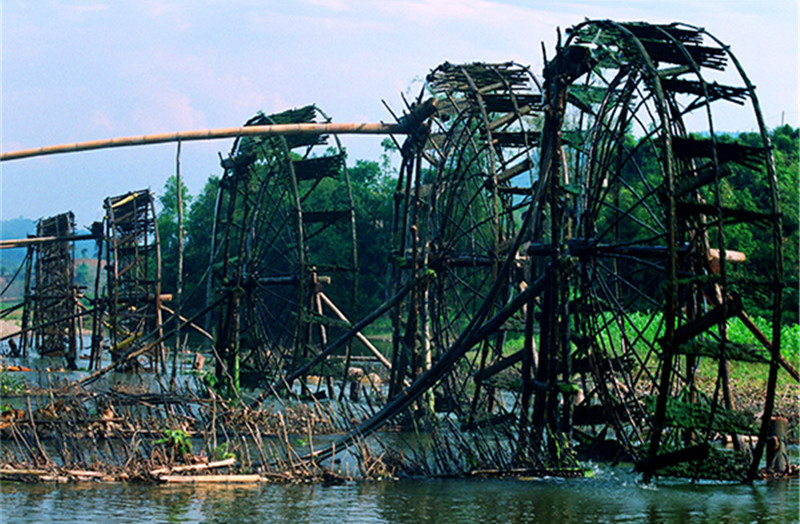
- Irrigation: 266 mu of farmland effectively irrigated (53.52% irrigation rate).
- Housing: 34 households lived in brick-wood houses, 25 in earth-wood houses.

Rural Economy
- Total rural economic income (2010): 830,000 yuan.
- Planting: 370,000 yuan (44.6%).
- Animal Husbandry: 160,000 yuan (19.3%), including 130 pigs and 20 cattle.
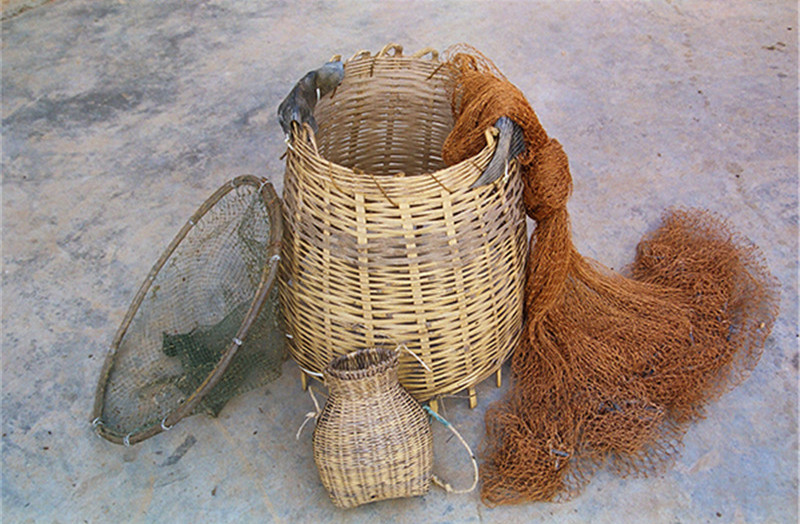
- Fisheries: 10,000 yuan (1.2%).
- Forestry: 170,000 yuan (20.5%).
- Secondary and Tertiary Industries: 100,000 yuan (12%).
- Wages: 10,000 yuan (1.2%).
- Per Capita Net Income: 2,480 yuan.
- Labor Migration: 10 long-term migrant workers (5.2% of labor force), all within the province.

Featured Industries
The village’s key industries are sugarcane, pine resin, and animal husbandry. In 2010, the main industries generated 105,000 yuan, accounting for 12.7% of the total rural income. The village is also developing tea and silkworm mulberry cultivation.

Population and Health
- Households: 59
- Total Population: 250 (132 male, 118 female)
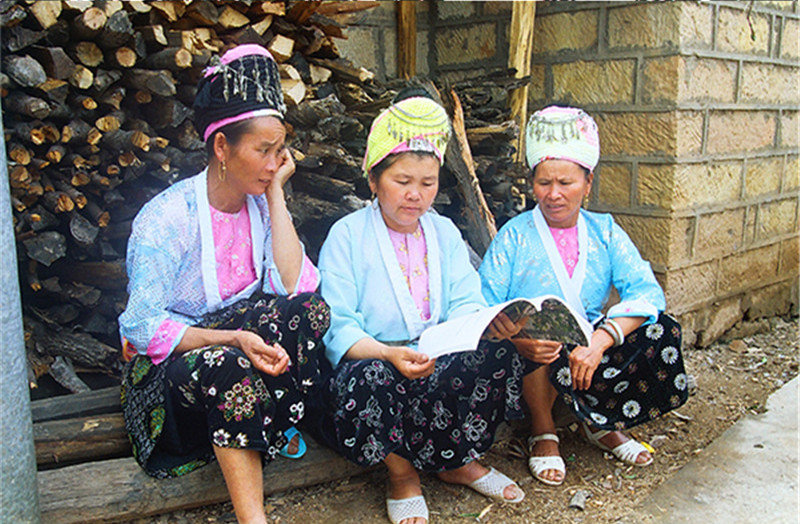
- Ethnic Composition: 100% Dai (傣族)
- Labor Force: 194 people
- Healthcare: 96% of residents participated in the rural cooperative medical system. Medical services are mainly provided by the township health clinic, 27 km away.
- Sanitation: The village has constructed drainage ditches for daily wastewater.
Culture and Education
- Primary Education: Students attend Maomi Primary School (茂密小学), 7 km away.
- Secondary Education: Students attend Jinggu No. 2 Middle School (景谷二中), 27 km away.
- Students: 23 enrolled in compulsory education (15 in primary, 8 in middle school).
Travel Tips
- Best Time to Visit: November to April, during the dry season with comfortable weather.
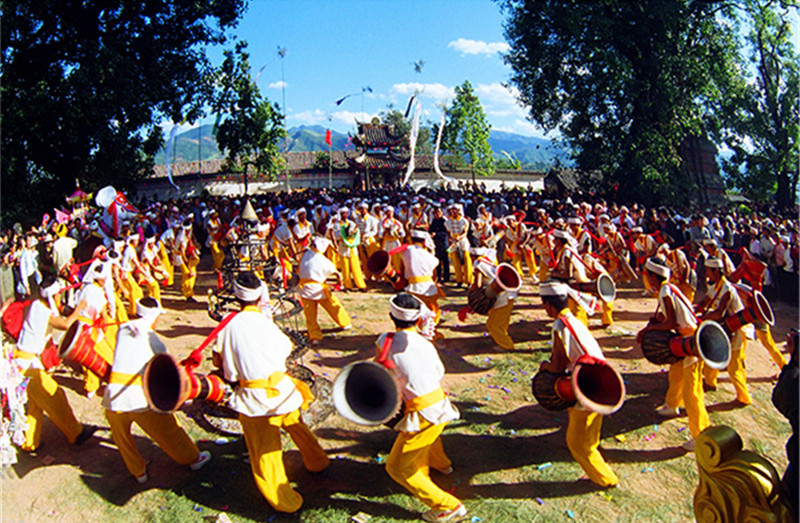
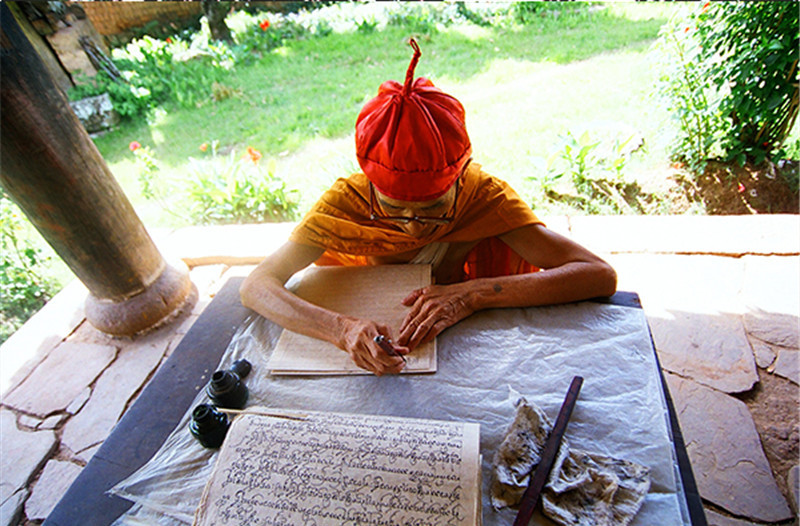
- Local Culture: As a Dai (傣族) village, visitors may experience Dai customs, traditional foods, and festivals. Respect local hospitality and religious practices.
- Agricultural Experiences: Depending on the season, visitors can see sugarcane harvesting or tea cultivation.
- Transportation: The nearest bus stop is 0.5 km away, but the market and township health clinic are 27 km away, so plan for travel time.
- Accommodation: No large hotels within the village; visitors should stay in Jinggu (景谷) or nearby towns. Homestays may be available with local families.
- Practical Notes: Village roads are partly dirt and may be muddy in rainy season—wear suitable footwear. Bring cash, as there are no ATMs or banks in the village.