Yunnan Guide
  • Yunnan Guide
  • Travel Tips
  • Tour Planing
  • Ethnic Culture
  • Yunnan Climate
  • Golf Courses
  • Travel Articles
  • Nuodeng Bai Ethnic Culture Protection Area in Yunlong County, Dali
    22/05/2019Crazy Jone4228 wordsAbout 15 minutes

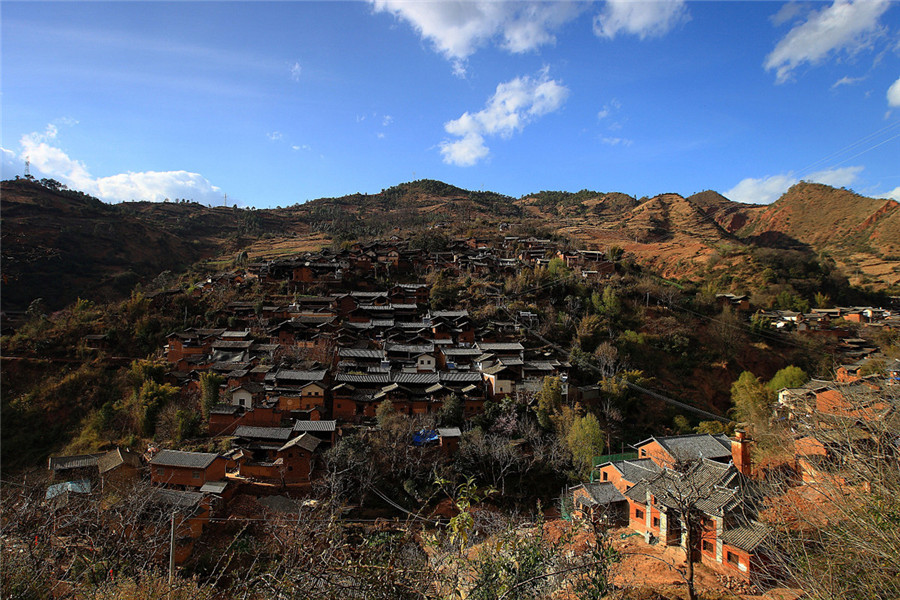
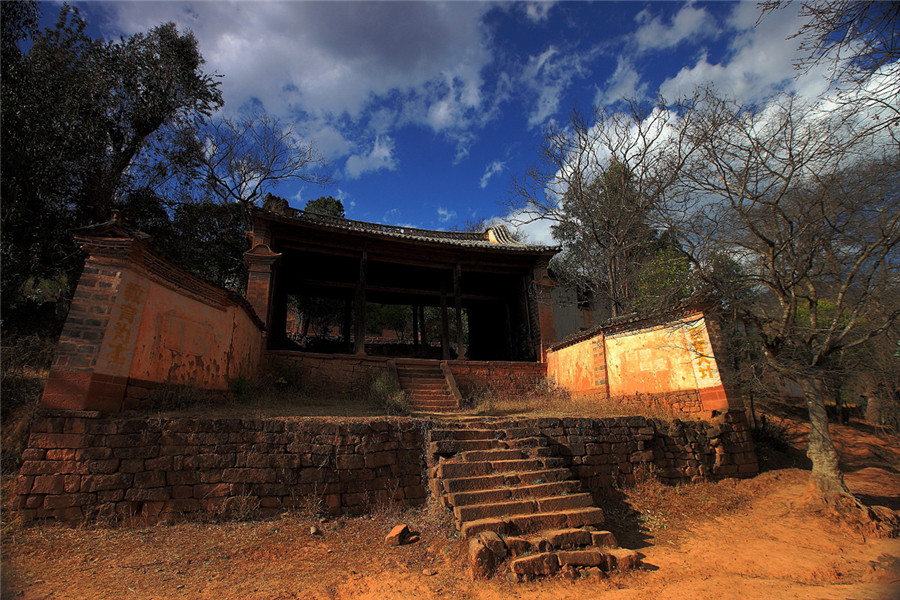
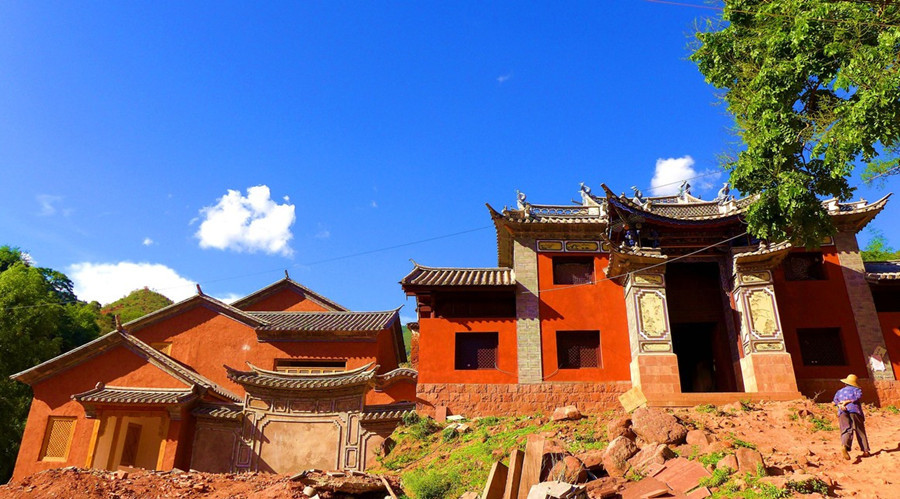
    Nuodeng Village (诺邓村), located in Yunlong County (云龙县), Dali Bai Autonomous Prefecture (大理白族自治州), Yunnan Province (云南省), lies at the southern end of the UNESCO World Natural Heritage site “Three Parallel Rivers of Yunnan Protected Areas.” It is about 165 kilometers from the prefectural capital, Dali (大理), with convenient transportation. Known as one of the earliest economic centers of the Bai ethnic group, Nuodeng is the oldest continuously inhabited village in northwestern Yunnan, mentioned in the earliest historical records of Yunnan, The Book of the Barbarians (《蛮书》). The village preserves a large number of Ming and Qing dynasty buildings, as well as the famous Taoist architectural complex of Yuhuang Pavilion (玉皇阁).

    Nuodeng Bai Ethnic Culture Protection Area in Yunlong County, Dali
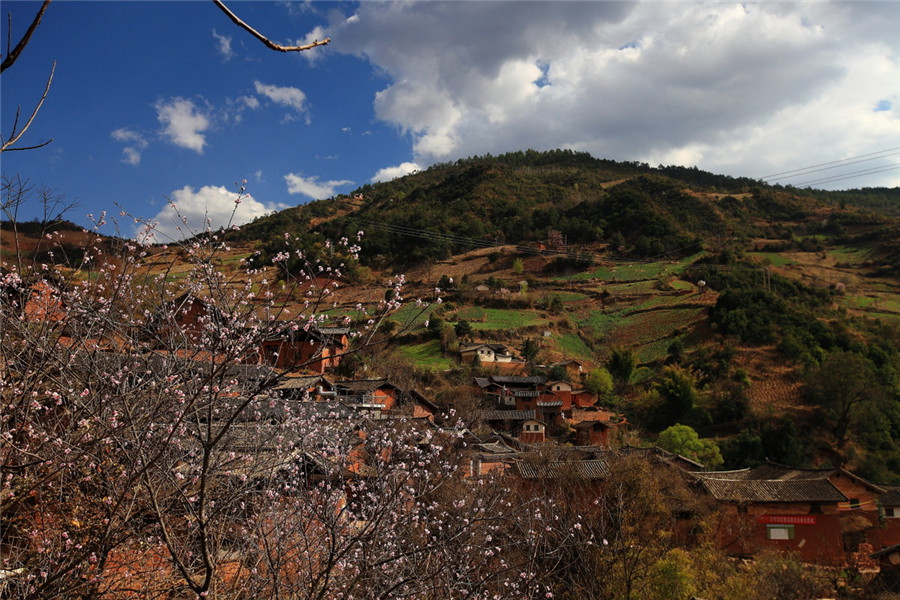
    Historical Background

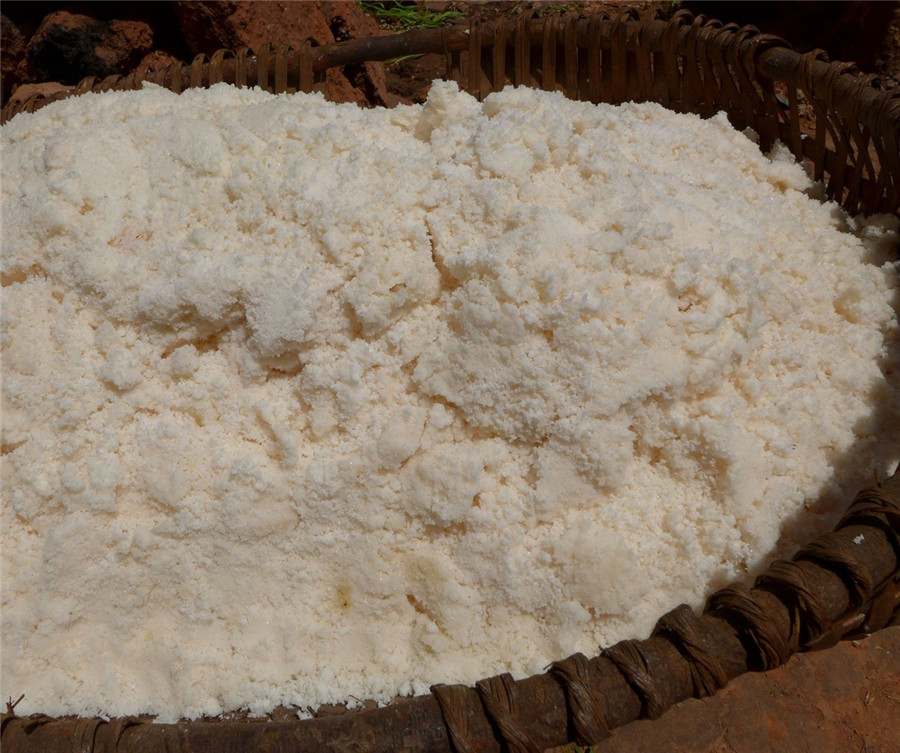
    Archaeological and historical evidence shows that Nuodeng is the oldest village in northwestern Yunnan. Since the Tang Dynasty, it has been famous for its salt wells, forming an economy centered on salt production. The salt from Nuodeng, known as “Nuoyan (诺盐),” was prized in Baoshan (保山), Tengchong (腾冲), and beyond.

    Nuodeng lay on the Tea-Horse Road (茶马古道), connecting Dali and Kunming to the east, Baoshan and Tengchong to the south, Lushui and Pianma to the west, and Lanping and Lijiang to the north. It became a bustling commercial hub in ancient times.

    Nuodeng Bai Ethnic Culture Protection Area in Yunlong County, Dali
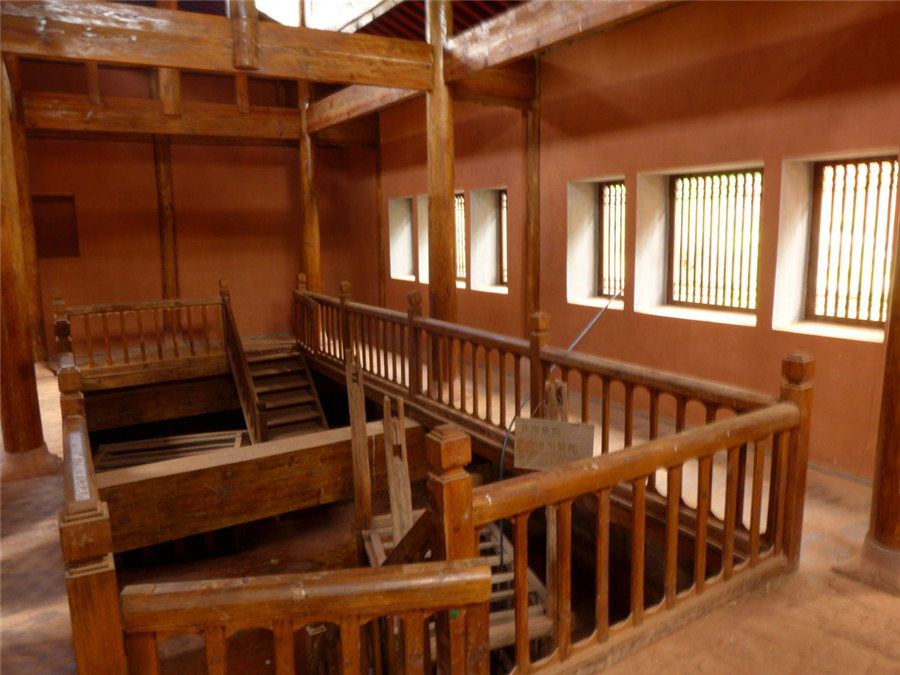
    Cultural Significance

    Nuodeng was historically known for producing many scholars, including jinshi (进士) and xiucai (秀才), particularly during the Ming and Qing dynasties. The local Confucian traditions were strong, with a notable Confucian Temple (孔庙) featuring exquisite structures such as the Dacheng Hall (大成殿) and Lingxing Gate (棂星门).

    At the same time, the village showcases the integration of Confucianism, Taoism, and Buddhism. Taoism in particular flourished here, represented by the Yuhuang Pavilion complex and numerous temples dedicated to deities such as Guandi (关帝庙), Wangmu (王母寺), and Avalokitesvara (观音寺).

    Nuodeng Bai Ethnic Culture Protection Area in Yunlong County, Dali
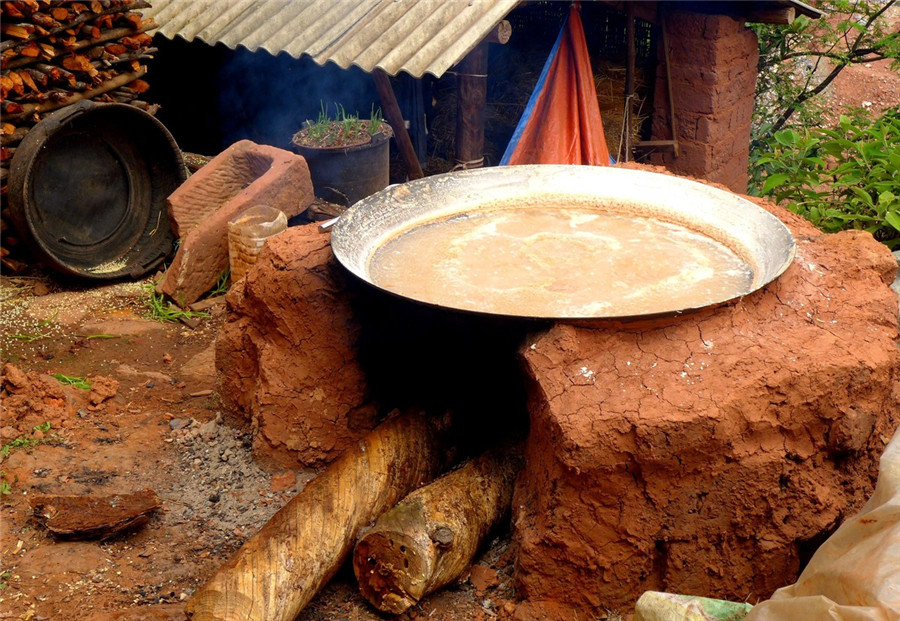
    Architectural Features

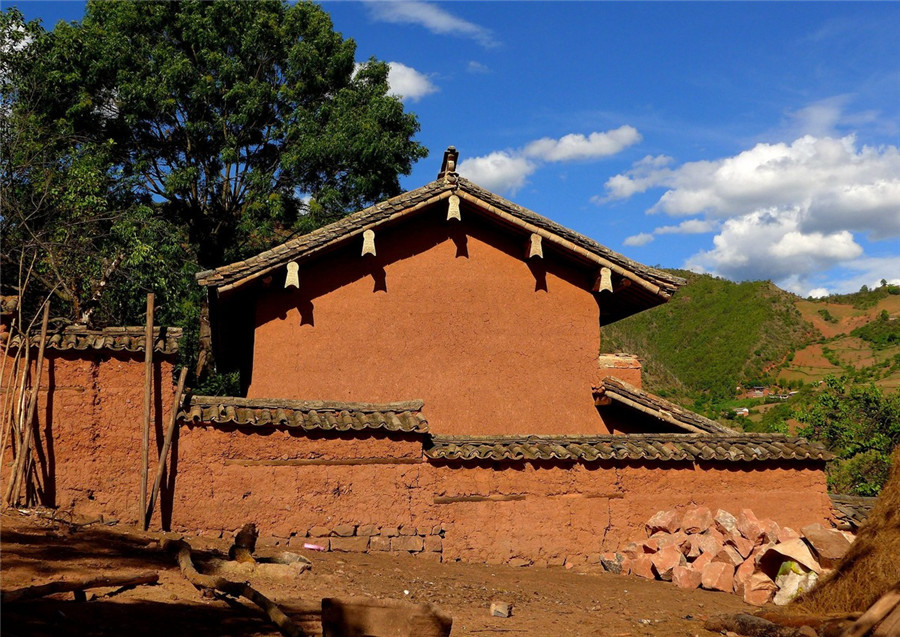
    Nuodeng’s architecture is a vivid display of Bai ethnic traditions, harmoniously blending human settlements with mountainous terrain. Common styles include:

    • “Three Houses and One Screen Wall” (三坊一照壁)
    • “Four Courtyards with Five Wells” (四合五天井)
    • Tiered courtyards adapted to slopes

    Most houses feature intricately carved doors, windows, beams, and eaves. Decorative murals and reliefs are also widespread. No two houses are identical, and each displays its own charm.

    Nuodeng Bai Ethnic Culture Protection Area in Yunlong County, Dali
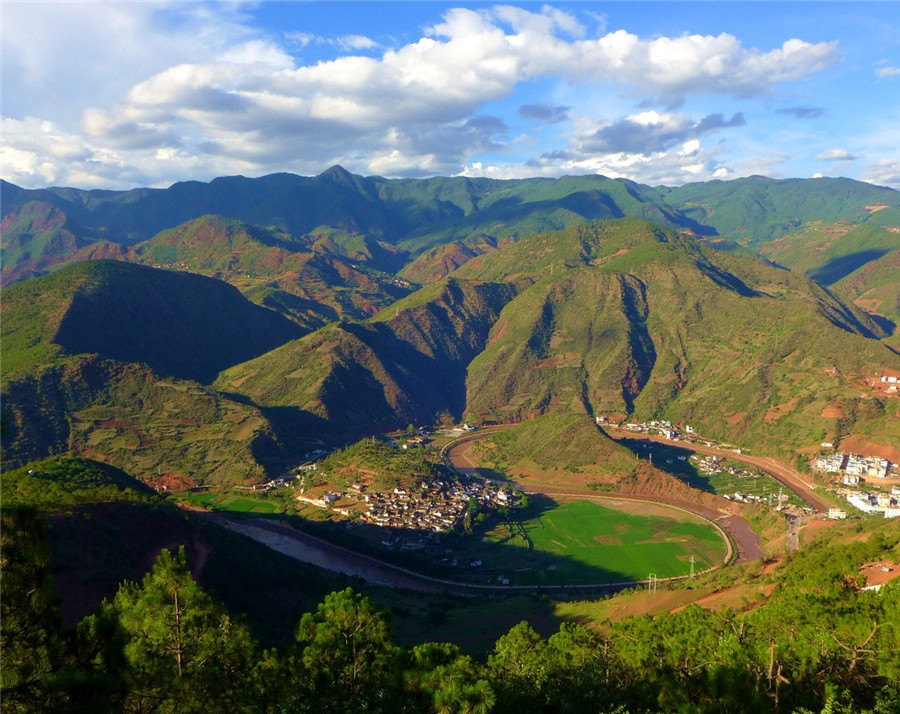
    Main Attractions

    Yuhuang Pavilion Taoist Complex (玉皇阁道教建筑群)

    Includes Yuhuang Pavilion, Maitreya Hall (弥勒殿), Guandi Temple (关帝庙), Confucian Temple (孔庙), and Lingxing Gate (棂星门).

    Wanshou Palace (万寿宫)

    Originally a Yuan dynasty merchants’ guildhall, later converted into a temple. The existing structure retains much of its Ming and Qing features.

    Huang Clan Archway (黄氏题名坊)

    A stone archway commemorating the academic achievements of the Huang family, originally built on the site of the Salt Tax Bureau of the Ming dynasty.

    Ancient Salt Wells (盐井)

    Dating back more than 2,000 years to the Han Dynasty. The famous “Nuodeng Well” (诺邓井) gave the village its name.

    Traditional Bai Residences (诺邓民居建筑)

    Clusters of well-preserved Ming and Qing homes in areas such as Beishan (北山) and Hedong (河东), featuring courtyards, workshops, and ancient streets.

    Ancient Roads and Bridges (古驿道、古桥)

    Stone-paved roads once connected Nuodeng to Lijiang, Dali, Baoshan, Tengchong, and Tibet, forming key branches of the Tea-Horse Road.

    Nuodeng Bai Ethnic Culture Protection Area in Yunlong County, Dali
    Travel Tips

    • Best Time to Visit: Spring and autumn offer the most pleasant weather, with blooming flowers and colorful autumn foliage.
    • Local Food: Don’t miss Nuodeng ham (诺邓火腿), known for its unique flavor thanks to the local salt. Villagers also offer rustic meals with corn-based staples and rich bone soups.
    • Cultural Etiquette: Bai people are known for their hospitality. Visitors are often invited to share meals, tea, or even spend the night. Respect local traditions and accept such invitations politely.
    • Getting There: From Kunming (昆明) to Dali is a highway journey. From Dali to Yunlong (云龙) takes about 3 hours on mountain roads. Nuodeng is about 7 km from Yunlong, accessible via a rough but passable rural road.
    • Accommodation: Guesthouses converted from traditional Bai residences offer an immersive stay. Advance booking is recommended during holidays.
    • Walking the Village: Wear comfortable shoes, as the village lanes are all paved with stone slabs and involve many stairways.
    • Photography: The village provides excellent photo opportunities, especially the Yuhuang Pavilion at sunset and the ancient stone streets in the early morning mist.

    Nuodeng Bai Ethnic Culture Protection Area in Yunlong County, Dali
    Nuodeng Village (诺邓村) is not only the “thousand-year-old Bai village” of Yunnan but also a living museum of ancient salt culture, Bai architecture, and Confucian-Taoist traditions. Its well-preserved Ming and Qing buildings, ancient salt wells, and cultural heritage make it one of China’s most valuable historical villages and a rare gem for travelers seeking authentic cultural experiences.

    Most Views

    Wood-carving Craft Protection in Xingyi Classic Woodcarving Furniture Factory, Jianchuan County of DaliTongle Village Lisu Ethnic Culture Protection Area in Yezhi Town of Weixi County, DiqingBenzilan Village Tibetan Ethnic Culture Protection Area in Deqin County, DiqingNuohei Yi Ethnic Culture Protection Area in Shilin County, KunmingPurple Pottery Firing Skill Protection in Wantao Village of Jianshui County, HongheChepu Village Hani Ethnic Culture Protection Area in Yangjie Town of Honghe County, HongheHongwan Village Yi (Axi) Ethnic Culture Protection Area in Xiyi Town of Mile City, HongheShuichao Village Yao (Landian) Ethnic Culture Protection Area in Yaoshan Town of Hekou County, HongheYuhu Village Naxi Ethnic Culture Protection Area in Baisha Town of Yulong County, LijiangNanduan Village Lahu Ethnic Culture Protection Area in Nuofu Town of Lancang County, PuerZhetai Village Zhuang Ethnic Culture Protection Area in Guangnan County, WenshanDabinglangyuan Village Dai (Huayao Dai) Ethnic Culture Protection Area in Gasa Town of Xinping County, Yuxi Gudang Village Lisu Ethnic Culture Protection Area in Maji Town of Fugong County, NujiangPuer Tea Manufacturing Craft Protection in Ning'er County, Pu'er CityWalabie Village Mosuo Ethnic Culture Protection Area in Yongning Town of Ninglang County, LijiangFengyu Town Bai Ethnic Culture Protection Area in Eryuan County, DaliYonglao Village Wa Ethnic Culture Protection Area in Ximeng County, PuerMangdao Dai Ethnic Culture Protection Area in Jinggu County, PuerNiru Tibetan Ethnic Culture Protection Area in Shangri-La City, DiqingWanzi Miao Ethnic Culture Protection Area in Weixin County, Zhaotong

    ENQUIRY

    Have a question before booking? Message us to learn more.
    Click to change