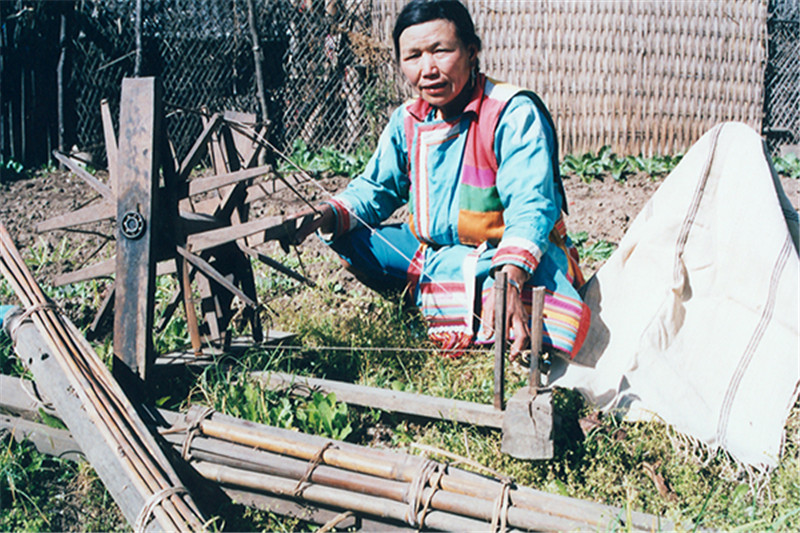
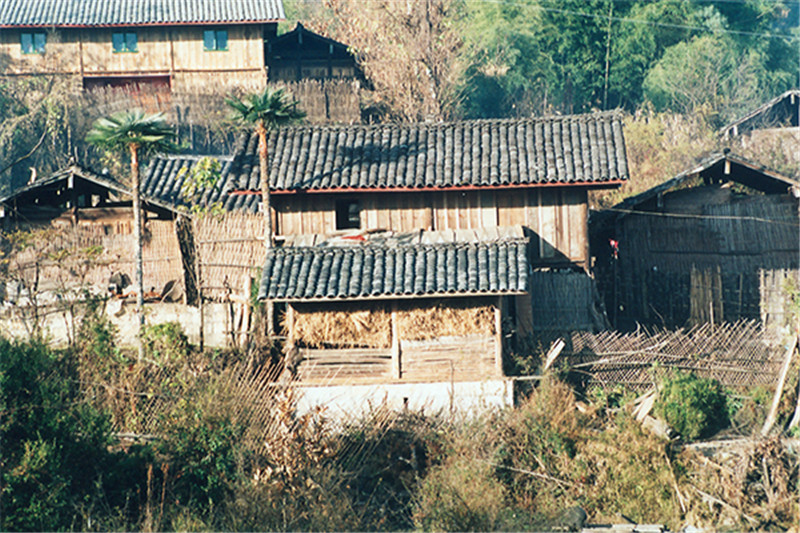
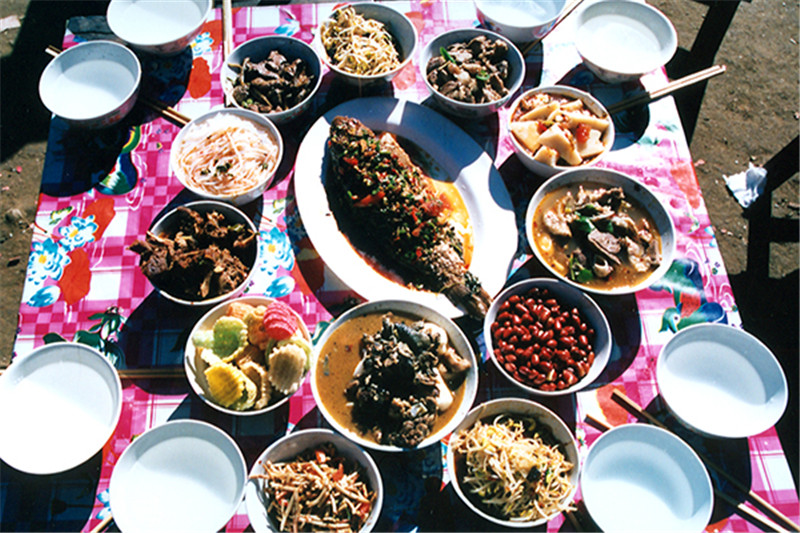
Shuicheng Natural Village (水城自然村) belongs to Lianzu Village (联族村), Diantan Town (滇滩镇), Tengchong City (腾冲市), Baoshan City (保山市), Yunnan Province (云南省). It is located in the northwestern semi-mountainous area of Diantan Town, 2 km from the town government. The village covers 20.25 square kilometers, with four villager groups. There are currently 163 households and 778 residents, all belonging to the Lisu ethnic group. The village name originates from a Ming Dynasty legend about General Wang Ji (王骥) building a dam to resist enemies.

Surrounded by mountains, the village receives an average annual rainfall of 1,700 mm. It has 725.68 mu of farmland, 29,390 mu of forest, and lead-zinc mineral resources. The main crops are rice and corn. An artificial lake and dam viewing platform form the ecological landscape of “green hills embracing the village, clear waters winding around homes.”
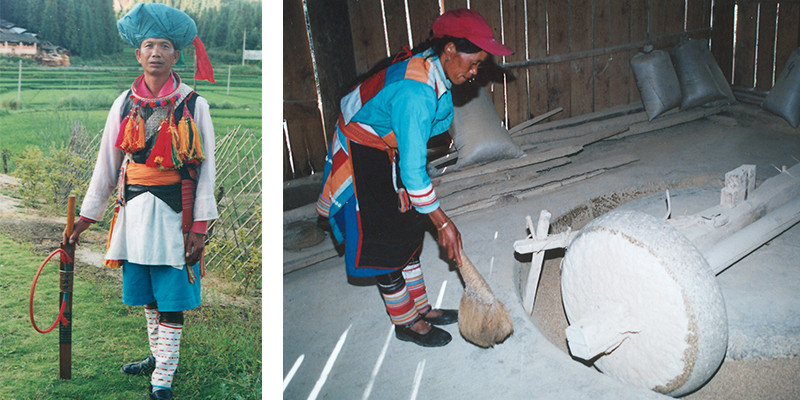
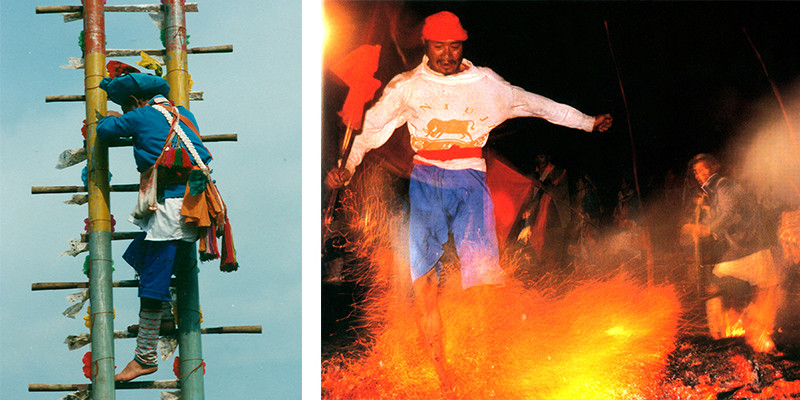
As a Lisu traditional cultural protection area, the village preserves intangible cultural heritage such as the Knife Pole Festival (刀杆节) and Farmers’ Paintings (农民画). In 2013, it was recognized as a National Traditional Village.

Location
- Region: Lianzu Village (联族村), Diantan Town (滇滩镇), Tengchong City (腾冲市), Baoshan City (保山市), Yunnan Province (云南省)
- Distance: 2 km from Diantan Town government, 3 km from Lianzu Village committee
Village Profile
By 2006, Shuicheng Natural Village had 154 households and 737 residents, of which 734 were agricultural. The total land area is 20.25 square kilometers, with an average cultivated landholding of 0.88 mu per person.
The main economic activities were agriculture-based, with total rural income reaching 2.8 million yuan in 2006 and a per capita net income of 2,440 yuan. The village was classified as impoverished but has since developed cash crops, specialty livestock, and tourism.

Infrastructure
- Roads: Access roads are gravel-paved; internal main roads are hardened.
- Transportation: 2 automobiles, 65 tractors, and 24 motorcycles are owned by villagers. The nearest bus stop and market are 1 km away.
- Utilities: By 2006, all 154 households had access to running water and electricity; 76.7% owned televisions, and 53.9% had telephones (landline or mobile).
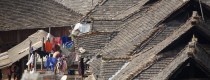
- Housing: Primarily timber-and-earth structures.
- Irrigation: Effective irrigated farmland covers 643 mu, with a 100% irrigation rate.

Natural Resources
- Cultivated Land: 725.68 mu (452.48 mu paddy fields, 273.2 mu dry fields).
- Forest Land: 29,390 mu, including 12 mu of economic fruit forests (mainly papaya).
- Water Area: 26 mu, with 2.5 mu used for aquaculture.
- Grassland: 140 mu.
- Mineral Resources: Lead and zinc.
Featured Industries
The main industry is crop cultivation, with products primarily sold locally. Since 2010, papaya cultivation has been promoted, generating 12,000 yuan in annual sales. The village also plans to expand amomum tsao-ko (草果) planting.
Population and Health
- Households: 163
- Population: 778 (397 male, 381 female), all Lisu ethnic group
- Medical Care: Rural cooperative medical insurance participation rate of 100%. Healthcare relies on the village clinic and the Diantan Township Health Center, both 3 km away.
- Sanitation: Four garbage collection sites, but poor wastewater systems; 44% of households share living spaces with livestock.
Culture and Education
- Education: Primary students attend Shuicheng Primary School (水城完小, 3 km away); middle school students attend Diantan Middle School (滇滩中学, 12 km away). As of 2010, there were 94 students (83 primary, 11 middle school).
- Cultural Facilities: One cultural activity room, one library, and one amateur art troupe. In 2009, the village was recognized as a “Honghe Cup Advanced Unit” by the provincial sports bureau.
Travel Tips
- Best Time to Visit: Spring and autumn, when the weather is mild and suitable for cultural exploration.
- Cultural Experiences: Attend the Knife Pole Festival (刀杆节) for an authentic Lisu celebration, and view Farmers’ Paintings (农民画), a unique form of folk art.
- Local Attractions: Visit the artificial lake, dam viewing platform, and surrounding mountain landscapes.
- Transportation: The village is 2 km from Diantan Town (滇滩镇) and can be reached by local transport or on foot. Roads are accessible but basic.
- Visitor Notes: Respect Lisu traditions, especially during religious or cultural events. Ask permission before photographing villagers. Staying in local homestays offers a chance to experience authentic Lisu lifestyle and cuisine.