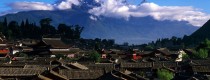
Xinjie Hui Ethnic Township (新街回族乡) is located in Huize County (会泽县), Qujing City (曲靖市), Yunnan Province (云南省), in the southeastern part of Huize. The township borders Yulu Township (雨碌乡) to the east and southeast, Daibu Town (待补镇) to the south, Jinzhong Town (金钟镇) to the west, and Zhehai Town (者海镇) to the north. It covers an area of 252 square kilometers. As of the end of 2019, the registered population was 44,927.
Administrative Division
Xinjie Hui Ethnic Township is part of Huize County and is one of the key Hui Muslim areas in Qujing. The township was originally part of Shangde Township during the Qing Dynasty and Yizhuo Township during the Republic of China period. In November 1987, it was officially named Xinjie Hui Ethnic Township.
Administrative Areas
The township is divided into 16 administrative villages as of June 2020, with the township government located in Xinjie Village (新街村).
Villages in Xinjie Hui Ethnic Township
-
Zhatang Village (闸塘村)
-
Huayu Village (花鱼村)
-
Lianhe Village (联合村)
-
Ludun Village (炉墩村)
-
Naobao Village (垴包村)
-
Madian Village (马店村)
-
Xinjie Village (新街村)
-
Haka Village (哈卡村)
-
Longtan Village (龙潭村)
-
Fenghuang Village (凤凰村)
-
Laocun Village (老村)
-
Yuanjia Village (袁家村)
-
Yizhuo Village (以濯村)
-
Huazhu Village (华竹村)
-
Faluo Village (发落村)
-
Wagang Village (瓦岗村)
Geography and Natural Environment
Location and Terrain
Xinjie Hui Ethnic Township is located in the southeastern part of Huize County, approximately 27.6 kilometers from the county seat. The area features a south-high, north-low landscape, divided into mountainous areas and river valleys. The highest peak is Xiaoxue Mountain (小雪山) at 3,247 meters, while the lowest point is near the Maoshan Reservoir (毛家村水库) at 2,212 meters.
Climate
-
Average Annual Temperature: 12°C
-
January Temperature: 4°C
-
July Temperature: 18°C
-
The area experiences an average annual rainfall of 930 mm, with the longest frost-free period lasting 236 days. The township also enjoys 2714.1 hours of sunshine per year, contributing to a warm, temperate climate ideal for agriculture.
Hydrology
The township lies within the Jinsha River (金沙江) watershed, with a total of 9 major rivers in the area, extending 33 kilometers in total length and covering a runoff area of 263 square kilometers.
Natural Disasters
Xinjie Hui Ethnic Township is prone to flooding, droughts, frost, landslides, and hailstorms.
Natural Resources
The area is rich in mineral resources, including copper, iron, and bauxite, with 146.8 million tons of geological reserves. It also boasts 55 species of wild animals, including otters (国家二级保护动物) and wild goats (国家三级保护动物), as well as 83 species of wild plants. The township has a total of 29,600 acres of arable land.
Population
As of 2011, the population of Xinjie Hui Ethnic Township was approximately 42,500 people, with 53% male and 47% female. The population is ethnically diverse:
The population density is around 169 people per square kilometer.
Economy
Overview
In 2011, the township’s total fiscal revenue reached 520,000 RMB, a 5% increase from the previous year. The main sources of income include taxes from businesses and individual income taxes.
Agriculture
The township’s economy is primarily agricultural. Major crops include corn and potatoes:
Industry and Commerce
By 2019, Xinjie Hui Ethnic Township had 3 industrial enterprises and 17 commercial stores. The total retail sales reached 14 million RMB, a 20% increase from the previous year.
Financial Sector
Telecommunications
Key Attractions
Islamic Cultural Sites
-
Xinjie Mosque (新街清真寺): This mosque is a central part of the local Hui Muslim community.
-
Traditional Hui Crafts: Visitors can explore the craftsmanship of the Hui people, including copperware.
Natural and Scenic Sites
-
Ma Wu Summer Resort (麻吾避暑乐园): A beautiful summer resort, perfect for a nature walk or a family outing.
-
Zhi Hai Snow Mountain (直亥雪山): A stunning winter destination for snow enthusiasts, offering panoramic views and cultural experiences in nearby ethnic villages.
-
Bijiang Ancient Bridge Group (沘江古桥梁群): This group of Qing Dynasty bridges (such as Tongjing Bridge and Qingyun Bridge) provides a glimpse into the region’s architectural heritage.
Recommended Itineraries
1-Day Tour
-
Morning: Visit Xinjie Mosque and explore local Hui crafts such as copperware production. Enjoy traditional yellow beef jerky (黄牛干巴).
-
Afternoon: Hike through the Ma Wu Summer Resort, visit Zhi Hai Snow Mountain (seasonal), and return to your hotel.
2-Day, 1-Night Tour
-
Day 1: Travel from Huize County to Xinjie Hui Ethnic Township for cultural activities. Stay overnight in a local Hui-style guesthouse (book in advance).
-
Day 2: Explore Huize Ancient City, including Jiangxi Guild Hall (江西会馆) and Tang Jiyao Former Residence (唐继尧故居), or visit Dahaicaoshan (大海草山) for scenic views.
Practical Information
Transportation
-
By Car: 40 kilometers from Huize County to Xinjie. Expect some mountain roads.
-
Public Transport: Buses are available from Huize County to Xinjie, though schedules can be limited. It’s recommended to check in advance.
Accommodation
-
Local Stay: The township has no commercial hotels, but guesthouses run by local families are available for 50-100 RMB per night.
-
Nearby Hotels: You can also stay in Huize County at places like Huize Hui Mansion (会泽会馆) or Gucheng Guesthouse (未见海民宿).
Best Time to Visit
Cultural Etiquette