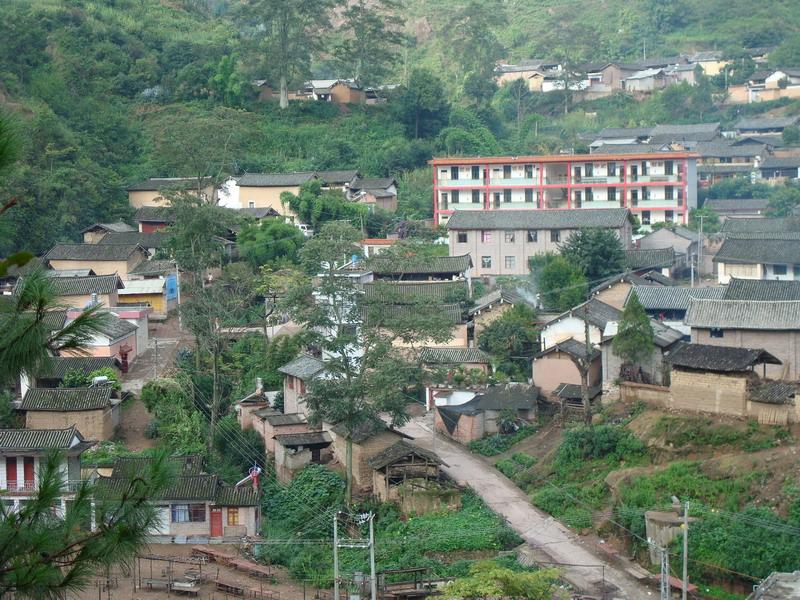
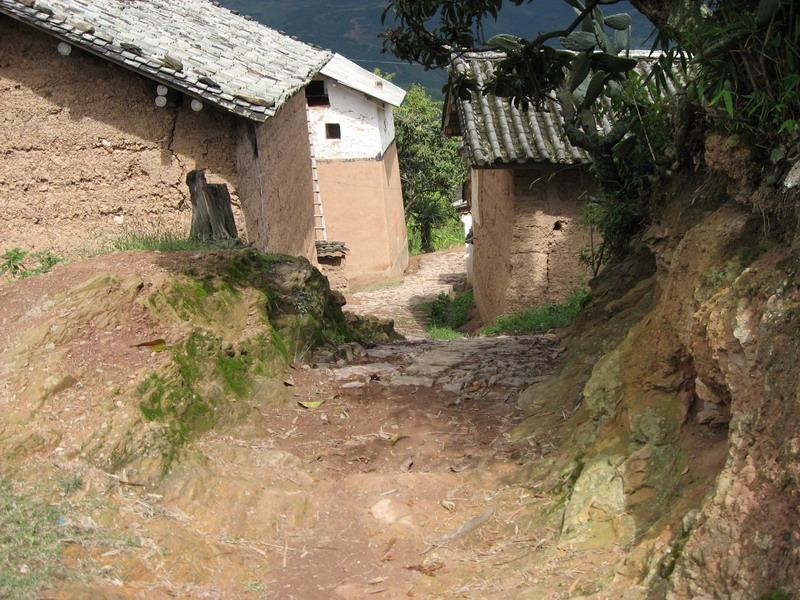
Shuixie Yi Ethnic Township (水泄彝族乡) is located in the southern part of Yongping County (永平县) in Dali Bai Autonomous Prefecture (大理白族自治州), Yunnan Province. It is bordered by Longjie Town (龙街镇) to the east, separated by the Sijili River (四季利河) from Goujie Township (苟街乡) in Changning County, Baoshan City (保山市). To the west, it neighbors Shanyang Town (杉阳镇), while to the north, it connects with Changjie Yi Ethnic Township (厂街彝族乡). The township is approximately 52 kilometers from the Yongping County People's Government and covers a total area of 395.5 km². As of the end of 2019, the township had a registered population of 17,046 people.
History and Development
Before the founding of the People's Republic of China, Shuixie Yi Ethnic Township was known as Longma Township (龙马乡). After the founding of the PRC, it belonged to Changjie District (厂街区). In 1958, the area was reorganized into Shuixie Commune (水泄公社), and in 1961, Shuixie was separated from Changjie District and became Shuixie District. By 1970, it was reorganized again and reverted to a commune structure. In February 1984, Shuixie Commune became Shuixie District, and in 1988, it officially became Shuixie Yi Ethnic Township.
Administrative Divisions
As of the end of 2011, Shuixie Yi Ethnic Township administers 9 villages, namely:
-
Aling Village (阿林村)
-
Apo Village (阿波村)
-
Wenku Village (文库村)
-
Shuixie Village (水泄村)
-
Zanle Village (咱咧村)
-
Shixing Village (世兴村)
-
Lebar Village (乐把村)
-
Wachang Village (瓦厂村)
-
Shizwo Village (狮子窝村)
These villages are divided into 146 village groups and 185 natural villages. By June 2020, the administrative structure remained the same, with the local government based in Niujiehe Village (牛街河).
Geography
Shuixie Yi Ethnic Township is located along the Yinjiang River Fault Zone (银江河断裂带), giving it a unique terrain of alternating high mountains and river valleys. The region has a west-high, east-low topography. The highest point in the township is located at Mulanhua Mountain (木莲花山), standing at an elevation of 2,913 meters, while the lowest point is at Xiaowan Fish Dam (小湾渔坝), with an elevation of 1,240 meters.
Climate
The township experiences a subtropical mountain climate, characterized by a distinct vertical climate. The average annual temperature is 18.3°C, with an average temperature of 11.2°C in January and 22.9°C in July. The frost-free period lasts for about 280 days per year, and the growing season lasts 271 days on average. The area receives 831 mm of rainfall annually, with the wettest months being June to September, particularly July.
Hydrology
The township falls under the Lancang River Basin (澜沧江流域).
The total length of rivers in the area is 54.6 km, with a river density of 0.14 km/km². The largest river in the region is the Heishui River (黑水河), which runs through Shizwo Village (狮子窝村) and Wachang Village (瓦厂村), with a length of 14.2 km. The township's river systems support the local ecology, including wild monkeys and diverse plant life.
Natural Disasters
Shuixie Yi Ethnic Township is prone to natural disasters such as droughts, floods, and hailstorms. Droughts typically occur between March and June, while floods and hailstorms are most common from July to October.
Natural Resources
The township has potential underground mineral resources, including copper, cobalt, sulfur, arsenic, and iron, though these have yet to be mined. In 2011, the area had 33,800 mu (about 2,252 hectares) of arable land.
Population
As of 2011, the population of Shuixie Yi Ethnic Township was 17,094 people, with 325 floating population. The population consists primarily of the Yi ethnic group (彝族), which accounts for 67.3% of the population. Other ethnic groups include Han (汉族), Miao (苗族), Lisu (傈僳族), Bai (白族), Hui (回族), Naxi (纳西族), and Jingpo (景颇族). The age structure of the population includes 21.55% under 14 years, 66.91% between 15-64 years, and 11.54% over 65 years.
Education
As of 2011, Shuixie Yi Ethnic Township had 4 kindergartens, with 240 children enrolled. There were 9 primary schools with 1,243 students and 98 teachers. The township boasts a 100% enrollment rate for primary school-aged children and a 97% enrollment rate for middle school-aged students.
Transportation
The township is connected by a series of local roads, including 8 county and town roads totaling 8 km in length. The township is served by daily minibus services from the county seat, with buses departing at 7:30 AM, 12:00 PM, and 3:00 PM.
Cultural Tourism Guide for Shuixie Yi Ethnic Township
Shuixie Yi Ethnic Township offers a rich cultural experience that blends the traditions of the Yi people (彝族) with its natural beauty. Here are the key cultural and natural experiences visitors can enjoy:
Core Cultural Experiences
Yi Ethnic Folk Activities
-
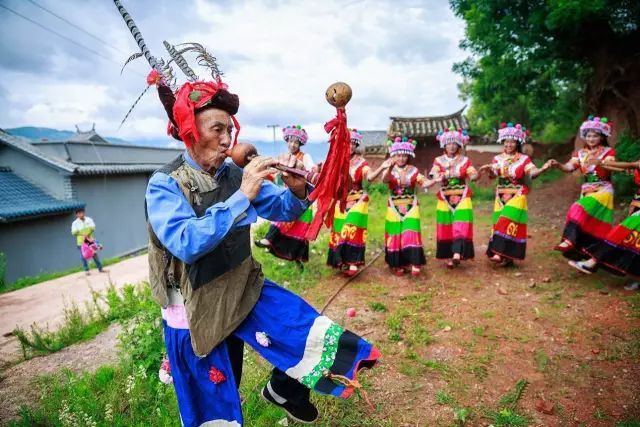
Torch Festival (火把节): This vibrant celebration occurs on the 24th day of the 6th lunar month. Visitors can participate in bonfire parties, long street banquets, and watch Yi ethnic dance performances and traditional competitions such as wrestling and crossbow shooting.
Yi Traditional Costume Experience
Intangible Cultural Heritage
-
Firegrass Cloth Making: Visitors can observe and experience the ancient weaving techniques used by Yi women to make fabric from firegrass fibers.
-
Yi Embroidery: The local embroidery is known for its use of red, black, and yellow colors, often featuring patterns such as sun motifs and sheep horn designs. Visitors can purchase embroidered pieces as souvenirs.
Yi Cuisine
-
Bitter Buckwheat Cake with Honey: A traditional Yi food served with wild honey.
-
Tuo Tuo Meat: Large chunks of pork boiled in water and served with chili salt, reflecting the Yi people's bold eating culture.

Natural and Cultural Attractions
Shuixie Terraces
The best time to visit the terraces is during autumn (September to October) when the rice turns golden. A popular spot for photography is the Agu Village Viewing Platform (阿古寨观景台), especially beautiful with morning mist.
Lancang River Tributary Canyons
Visitors can hike along the Shuixie-Wachang Road, passing through primeval forests and Yi villages, with occasional sightings of wild monkey groups.
Yi Village Visits
Suggested Itinerary
1-Day Cultural Tour
-
Morning: Visit Aling Village to experience the traditional dwellings and firegrass cloth making.
-
Afternoon: Explore the rice terraces for photography and enjoy a Yi family banquet, where you must try sauerkraut potato soup and raw liver.
2-Day Immersive Experience
-
Day 1: Travel from Yongping County to Shuixie Township, participate in pre-Torch Festival activities, and stay in a Yi-style guesthouse.
-
Day 2: Hike through the canyon and visit Baotai Mountain National Forest Park (宝台山国家森林公园), located 40 kilometers from the township.
Practical Information
Transportation
-
By Car: The township is about 35 kilometers from Yongping County, with winding mountain roads, so careful driving is advised.
-
Public Transport: There are three minibus departures daily from the county seat at 7:30 AM, 12:00 PM, and 3:00 PM.
Accommodation Recommendations
-
Shuixie Township Rural Guesthouses: Prices range from 60 to 120 RMB per night. One popular option is Asima Yi Family, where guests can experience traditional fire-pit tea roasting.
-
Hotels in Yongping County:
-
Yuexi Hotel (悦兮酒店): 4.9 stars, 106 RMB per night
-
Yulong Bay Hotel (玉龙湾大酒店): 4.7 stars, 150 RMB per night
Important Notes
-
Respect Local Customs: Do not step on the tripod near the fire pit, and avoid stepping over the door threshold when entering a house.
-
Best Time to Visit: The Torch Festival (July 16-18, 2025) or the autumn harvest season in September to October.