7 Days GolfingTour
 8 Days Group Tour
 8 Days Yunnan Tour
 7 Days Shangri La Hiking
 11 Days Yunnan Tour
 6 Days Yuanyang Terraces
 11 Days Yunnan Tour
 8 Days South Yunnan
 7 Days Tea Tour
 8 Days Muslim Tour
 12 Days Self-Driving
 4 Days Haba Climbing
 Tiger Leaping Gorge
 Stone Forest
 Yunnan-Tibet
 Hani Rice Terraces
 Kunming
 Lijiang
 Shangri-la
 Dali
Dali
 XishuangBanna
 Honghe
 Kunming
 Lijiang
 Shangri-la
 Yuanyang Rice Terraces
 Nujiang
 XishuangBanna
 Spring City Golf
 Snow Mountain Golf
 Stone Mountain Golf






Xishuangbanna Weather in February
Located in the southernmost part of Yunnan, Xishuangbanna(西双版纳) is a region of lush tropical rainforests, vibrant ethnic cultures, and stunning natural beauty. In February, the weather is warm, and the landscape is green, offering a perfect escape for nature lovers, culture seekers, and adventure enthusiasts. Explore the ethnic minority villages, enjoy a boat trip down the Mekong River, and experience the tropical wildlife and rich Buddhist heritage that define this unique part of China.

☀️ Weather in February
🌡️ Average High: 25–30°C (77–86°F)
🌡️ Average Low: 15–18°C (59–64°F)
🌧️ Rainfall: Low – typically dry, with occasional light showers
🌞 Sunshine: 20–25 sunny days, ideal for outdoor activities and sightseeing
✅ February is a fantastic time to explore Xishuangbanna, with mild temperatures, plenty of sunshine, and lush greenery that is perfect for exploring the rainforests and ethnic villages.
👕 What to Wear in February
Daytime
Light clothing, such as T-shirts or short-sleeve shirts, for the warm temperatures
Comfortable shorts or pants for walking and exploring the tropical environment
Evening
A light jacket or sweater for cooler evenings, especially when visiting the mountains or higher-altitude areas
Essentials
Sunglasses and sunscreen for protection against the strong tropical sun
Insect repellent, especially if you plan to visit the rainforests or remote villages
Comfortable shoes for walking in the tropical landscape and ethnic villages
🧭 What to Do in February
🌳 Explore Xishuangbanna Tropical Botanical Garden
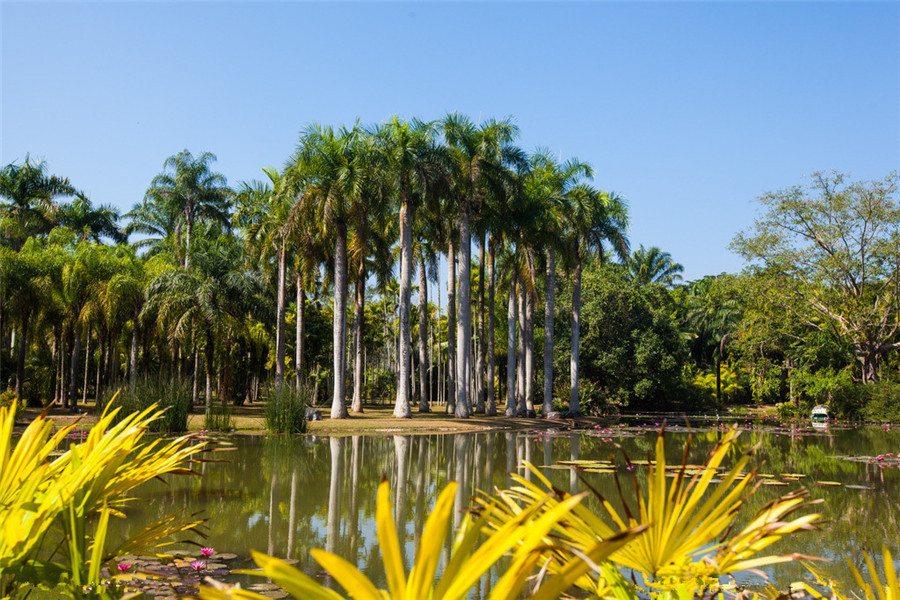
Xishuangbanna Tropical Botanical Garden is one of the largest botanical gardens in China, showcasing the region’s unique tropical flora
February is an excellent time to visit as the garden is in full bloom, offering stunning rainforest landscapes, colorful orchids, and vibrant flowers
🏞️ Visit the Wild Elephant Valley
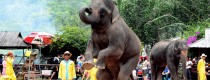
Wild Elephant Valley is home to the Asian elephants that roam the jungles of Xishuangbanna
Take a guided tour to learn about the local elephant protection efforts and witness these majestic creatures in their natural habitat
February’s dry weather offers great visibility and the chance to spot elephants and other wildlife
 Xishuangbanna Wild Elephant Valley Nature Reserve-12
🏘️ Experience Ethnic Villages
Xishuangbanna is home to various ethnic minorities, including the Dai, Jingpo, and Hani
Visit Dai villages to witness traditional Buddhist ceremonies, water-splashing festivals, and ethnic performances
February is an excellent time to experience the traditional festivals and local customs in a peaceful and welcoming atmosphere
🚤 Take a Boat Ride on the Mekong River
The Mekong River, known locally as the Lancang River, flows through Xishuangbanna
Take a scenic boat trip to enjoy the tranquil beauty of the river, the lush jungles, and the riverbank villages
The February weather is ideal for river trips, as the temperatures are warm but comfortable
🌿 Hike in the Rainforests
Explore the tropical rainforests of Xishuangbanna, where you can enjoy nature walks, spot rare wildlife, and immerse yourself in the region’s lush environment
Visit the Ning’er Rainforest Reserve or the Mengla Rainforest Park for an unforgettable trekking experience in February
🎉 Festivals & Culture in February
🧧 Chinese New Year (Lunar New Year)
Chinese New Year is one of the most significant festivals in Xishuangbanna, celebrated with elaborate performances, dragon dances, firecrackers, and local customs
The Dai people celebrate with the Water Splashing Festival, which takes place around the Lunar New Year, where people splash water on each other to symbolize good luck and the washing away of bad fortune
February is the best time to experience local New Year traditions and ethnic celebrations in Xishuangbanna
🎊 Chinese New Year in Xishuangbanna brings colorful ethnic celebrations, Buddhist rituals, and the lively Water Splashing Festival to the region.
🍲 What to Eat in February
🍜 Dai-style Hot Pot
A hearty, spicy hot pot featuring fresh vegetables, herbs, meats, and local fish, perfect for sharing with friends and family during cooler evenings
🍚 Sticky Rice with Mango
A traditional Dai dish made with sticky rice and mango, often served as a refreshing dessert in the tropical heat
🌶 Xishuangbanna Grilled Pork
Grilled pork marinated with local spices, chili, and herbs, a favorite of the Dai people
🍵 Xishuangbanna Tea
Xishuangbanna is famous for its Pu’er tea and green tea plantations
Sip on freshly brewed tea while enjoying the serene atmosphere of local tea gardens
✅ Why Visit Xishuangbanna in February?
| Experience | Highlight |
|---|---|
| 🌳 Nature | Explore the tropical botanical gardens and rainforests |
| 🐘 Wildlife | Spot wild elephants in the Wild Elephant Valley |
| 🏘️ Culture | Experience Dai culture, Buddhist ceremonies, and local festivals |
| 🚤 River Adventure | Take a scenic boat trip along the Mekong River |
| 🍲 Cuisine | Taste Dai-style hotpot, Xishuangbanna grilled pork, and fresh tropical fruits |
✨ Xishuangbanna in February: Tropical Adventure, Cultural Wonders & Scenic Beauty
Whether you are exploring the tropical rainforests, soaking in the vibrant ethnic culture, or enjoying the unique wildlife, Xishuangbanna in February offers an unforgettable tropical escape filled with adventure, culture, and natural beauty.
Places to Visit in February Xishuangbanna
- Jinuo Mountain village:
At the Jinuo village the visitor can observe first-hand the unique lifestyle of this special minority group, and, with a bit of luck, one might observe a Jinuo religious ceremony where ritualistic music is played involving the use of very large – and sacred – sun-drums. - Wild Elephants Valley:
Live in the equatorial forest of Xishuangbanna of Yunnan Province. Wild Elephants Valley covers an area of 369 hectares by the Sancha River in Mengyang Town, and is situated 47 kilometers north of the city of Jinghong. With hills rolling gently at an altitude ranging between 747 and 1055 metres, the valley is covered by tropical rain forests, crisscrossed by rivers and streams, and teeming with such endangered species as Asian wild elephants, wild oxen, green peacocks and monkeys. Jinghong Wild Elephant Valley Forest Park (Chinese name: 野象谷公园) is a special theme park for Wild Asian Elephant sightseeing and observing and rainforest sightseeing - Peacock Lake:
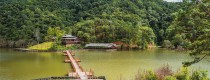
It has green lush trees in which water is as clear as mirror. Unique flowers and grasses grow on the bank; water pavilion in Dai-style is built in the center of the lake. Boat in the lake is delightful and relaxed。 - Xishuangbanna Tropical Flowers Garden:
It is situated in Jinghong City, occupies an area of about 80 hectares. This park once was the experimental field of Yunnan Tropical Crops Institute, which specializes in research on various tropical crops and made a big contribution to rubber planting in Xishuangbanna. With all kinds of nice tropical flowers and ornamental plants cultivated with their advantageous technology, it was opened to public as a park in 1999. - Manting Park:
Manting Park boasts not only the unique natural scenery, but also artificial rare flowers and architecture. With the radiant and enchanting scenery, dense forest and a great variety of fruit trees, it is an ideal tourist attraction for people to go sightseeing. Manting Park is the oldest park in Jinghong with a history of over 1,300 years. Manting Park is the carrier of Dai culture. It is the main venue to hold grand ceremonies of Dai nationality. It was listed as a national 4A scenic spot in the year of 2009. - Manfeilong Pagoda:
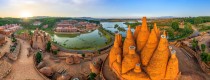
Manfeilong Pagodas, also known as the Flying Dragon White Pagodas. It is also known by two other names: White Pagoda and Bamboo Shoot Pagoda. Built with stones and bricks in 556 by the Dai calendar (1204), the pagodas are octangular in shape. - Stupa (A Buddhist Tower):
A Stupa is used to contain the teeth, bone and hair of Buddha, which are so-called Sheli. So stupas are all exquisitely built. There is a stupa named Manfeilong Bamboo Shoot Stupa, located on the back hill of Damenglong Mengfeilong village in Jinghong County, Xishuangbanna. It is said that the stupa was built because of a footmark of Sakyamuni there. The structure is novel and beautiful, and of Dai constructional characteristics. It looks like a bamboo shoot after a rain, thus it is called the Bamboo Shoot Stupa. It was built in 565 by Dai calendar (1204 A.D.).