7 Days GolfingTour
 8 Days Group Tour
 8 Days Yunnan Tour
 7 Days Shangri La Hiking
 11 Days Yunnan Tour
 6 Days Yuanyang Terraces
 11 Days Yunnan Tour
 8 Days South Yunnan
 7 Days Tea Tour
 8 Days Muslim Tour
 12 Days Self-Driving
 4 Days Haba Climbing
 Tiger Leaping Gorge
 Stone Forest
 Yunnan-Tibet
 Hani Rice Terraces
 Kunming
 Lijiang
 Shangri-la
 Dali
Dali
 XishuangBanna
 Honghe
 Kunming
 Lijiang
 Shangri-la
 Yuanyang Rice Terraces
 Nujiang
 XishuangBanna
 Spring City Golf
 Snow Mountain Golf
 Stone Mountain Golf









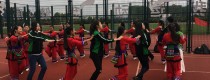


Kuoshi Festival of Lisu Ethnic Minority in Huaping County, Lijiang
Short Brief
Chinese Name:华坪县傈僳族阔时节
English Name: Kuoshi Festival of Lisu Ethnic Minority in Huaping County, Lijiang
The Kuoshi Festival, also known as the New Year Singing and Dancing Festival, is a traditional festival of the Lisu people, celebrated as their New Year or Spring Festival. The festival dates vary by region. In Lisu-populated areas such as Huaping County in Yunnan Province, the festival begins on December 20th and lasts for half a month. In Dechang County, the festival aligns with the Han Chinese New Year, lasting from the first to the fifteenth day of the lunar calendar. Festivities include dusting, worship ceremonies, feeding hunting dogs, washing clothes, sending off gods, hair combing competitions for women, New Year greetings, embroidery, weaving, and dancing, creating a rich and unique festive atmosphere.
Customs and Traditions:
- Dusting: After the fifteenth day of the twelfth lunar month, each household begins dusting on an auspicious day.
- Washing Clothes: All clothes must be washed before the festival. The sight of Lisu women washing clothes by streams and hanging colorful garments on fences, branches, and stones creates a unique landscape.
- Collecting Pine Needles: Before the festival, children collect yellow-green pine needles from the hills and scatter them on rooftops and in living rooms, symbolizing good harvests for the coming year.
- New Year’s Eve Sacrifices: Sacrifices are meticulously carried out. A rooster is slaughtered under a tree in the mountains as an offering to the mountain gods, and the cooked chicken is brought home for the family reunion meal.
- Offerings Before New Year Meal: A pig’s head is used for offerings to heaven, earth, household gods, and ancestors. Red paper with holes, door gods, and kitchen gods are placed on sheep pens, corn sheds, beehives, and woodpiles to wish for a prosperous new year.
- New Year’s Eve Dinner: Pine needles are spread on the ground as a table for the festive meal, creating a lively atmosphere.
- New Year’s Day Morning: Adults quietly wake up early, scatter pine needles on rooftops, make glutinous rice cakes, offer them to ancestral tablets, and set off firecrackers to welcome the deceased elders back home, burning incense for deceased elders in the community.
- Festivities on New Year’s Day: The village comes alive with hair combing, weaving, embroidery, and dancing competitions for women, and target shooting, crossbow shooting, and sheep fighting for men. Children enjoy playing with slingshots and other games.
- Visiting Relatives: From the second to the sixth day of the lunar new year, Lisu people visit relatives and friends, engaging in embroidery, weaving, and dancing.
- Activities on the Sixth Day: During the day, they wash clothes and gather firewood; in the evening, they burn pig’s feet as an offering to ancestors.
- Seventh Day Activities: Similar to the first day, with early morning god-sending ceremonies and offerings to tools such as hoes and knives, which can only be used after the ritual.
- Fifteenth Day of the Lunar New Year: The festival concludes with offerings using a pig’s neck ring to household gods and heaven.
In 2009, the Kuoshi Festival of the Lisu people was recognized as a provincial intangible cultural heritage by the Sichuan Provincial Cultural Heritage Review Committee.
Huaping County Lisu Kuoshi Festival:
In 2024, Huaping County successfully held the Lisu Kuoshi Festival. During the festival, Huaping County hosted various activities, including an intangible cultural heritage exhibition, a seminar and investment promotion conference, a cultural performance and awarding ceremony for model units of ethnic unity, an exhibition showcasing ethnic unity and progress, and a specialty product exhibition. These activities showcased the unity and progress of all ethnic groups in Huaping, promoting extensive and in-depth exchanges and integration, and consolidating the achievements of ethnic unity and progress.

Intangible Cultural Heritage Exhibition:
The Lisu intangible cultural heritage is a vital part of the Chinese national traditional culture and a vivid testimony to the continuity of Chinese civilization. The exhibition featured a variety of Lisu costumes and handicrafts, highlighting the achievements in protecting and inheriting Huaping Lisu intangible cultural heritage. It facilitated close interaction between citizens, tourists, and inheritors, deepening the understanding of intangible cultural heritage and connecting traditional culture with modern life.
The exhibition also featured Lisu participants from outside the county, fostering cultural exchange among various ethnic groups.
Seminar and Investment Promotion Conference:
The seminar and investment promotion conference brought together experts, scholars, cultural inheritors, and representatives of intangible cultural heritage protection institutions to discuss the history, cultural significance, and protection of Lisu culture. The discussions aimed to provide new ideas and methods for the inheritance and protection of Lisu culture.
Cultural Performance and Awarding Ceremony:
The cultural performance, themed “Kuoshi Songs of Gratitude to the Party, Ethnic Unity Following the Party,” featured minority singers and dancers in vibrant ethnic costumes. Performances like “Endless Gratitude to the Party,” “One Family of Lisu People,” “Lisu Gaqie Sali Dance,” and “New Look of Lisu” celebrated the Communist Party, hometown, and new life, pushing the event to a climax. Leaders awarded model units and households for their contributions to ethnic unity and progress.
Ethnic Unity and Progress Showcase:
In the ethnic unity and progress showcase, representative teams from eight townships in the county performed diverse cultural programs, including songs, dances, instrumental music, opera, and costume parades. These performances highlighted the traditional culture and artistic characteristics of various ethnic groups, expressing the beauty of unity and celebration.
Specialty Product Exhibition:
The specialty product exhibition featured cultural items like embroidery, gourd flutes, bamboo crafts, and local products such as tea and mangoes. Confident staff introduced these products to citizens and tourists, attracting much interest. The exhibition showcased the cultural heritage protection achievements of Huaping, promoted creative transformation and innovative development of ethnic cultures, and supported rural revitalization.
The 2024 Huaping County Lisu Kuoshi Festival, through its “Five One” activities, showcased Huaping’s rich history, culture, customs, and resources, enhancing ethnic unity and confidence. It promoted the progress and prosperity of all ethnic groups, singing the song of happiness in the new era of ethnic unity and progress.
Future Plans:
Huaping County plans to continue promoting the consciousness of the Chinese national community, innovating methods, enriching content, and expanding the reach of education on ethnic unity. By doing so, the roots of ethnic unity and the soul of ethnic harmony will extend to all social fields, guiding the people of Huaping to firmly establish a shared community, fostering a framework of united effort, and striving for prosperity and development among all ethnic groups.
http://www.sohu.com/a/210797948_675844