7 Days GolfingTour
 8 Days Group Tour
 8 Days Yunnan Tour
 7 Days Shangri La Hiking
 11 Days Yunnan Tour
 6 Days Yuanyang Terraces
 11 Days Yunnan Tour
 8 Days South Yunnan
 7 Days Tea Tour
 8 Days Muslim Tour
 12 Days Self-Driving
 4 Days Haba Climbing
 Tiger Leaping Gorge
 Stone Forest
 Yunnan-Tibet
 Hani Rice Terraces
 Kunming
 Lijiang
 Shangri-la
 Dali
Dali
 XishuangBanna
 Honghe
 Kunming
 Lijiang
 Shangri-la
 Yuanyang Rice Terraces
 Nujiang
 XishuangBanna
 Spring City Golf
 Snow Mountain Golf
 Stone Mountain Golf












1 Day Jade Dragon Snow Mountain Hiking Tour (5100 Meters) from Yuhu Village

Tour Overview
Hike from Yuhu Village( 2400m)-an original Naxi ethnic village. You will see and pass through glacier, high-mountain meadow, original forest, and drift sand. It’s a comprehesive hiking tour which...
Length of Travel: 1 Day
Destinations of Tour: Lijiang-Yuhu-Jade Dragon Snow Mountain-Mahuangba-Snow Mountain Valley-Lijiang
Departure City: Yuhu Village
Price of Tour: Request
Type of Tour:
Features of Tour: Nature Hiking Culture Minorities
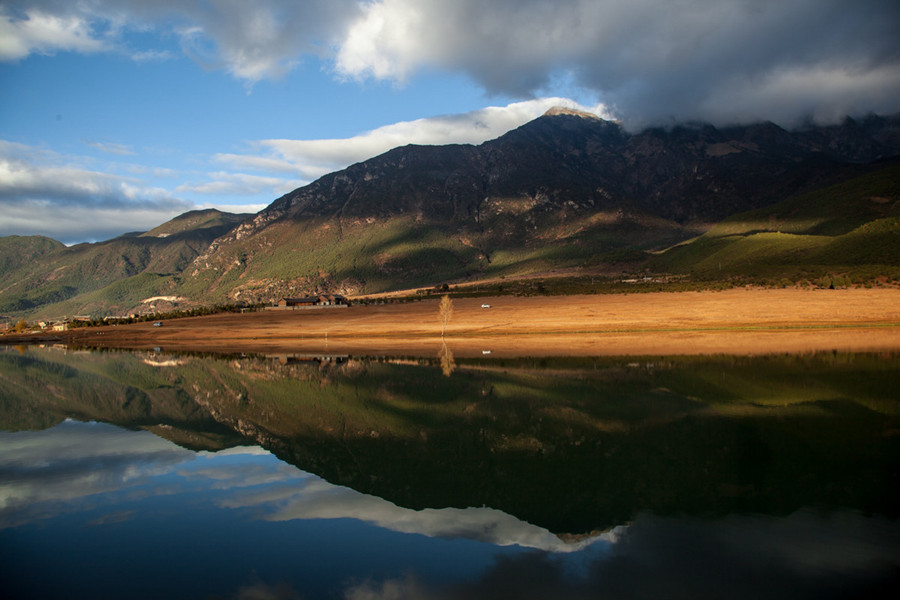
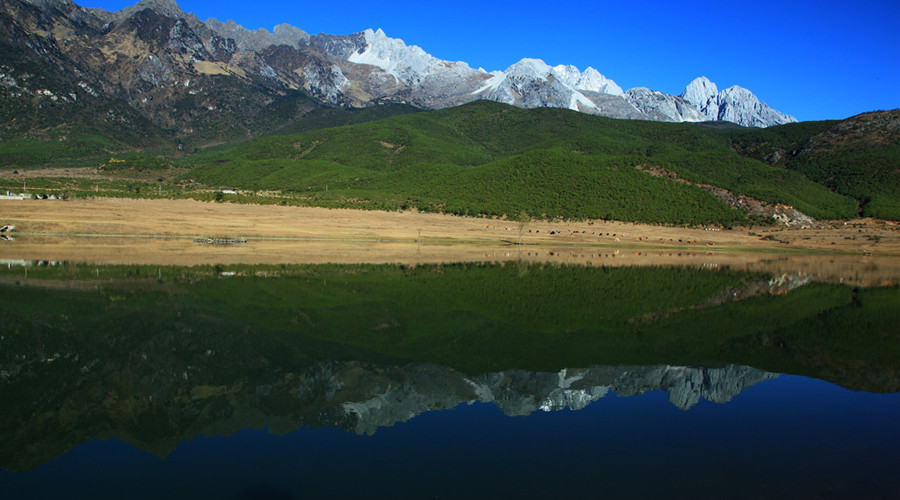
Hike from Yuhu Village( 2400m)-an original Naxi ethnic village. You will see and pass through glacier, high-mountain meadow, original forest, and drift sand. It’s a comprehesive hiking tour which includes cultural landscape and natural landscape. It is welcomed by backpackers and hikers.
Highlight
- Hiking to Jade Dragon Snow Mountain from Yuhu Village.
- Experience the Naxi ethnic culture in Yuhu Village.
- Visit glacier, high-mountain meadow, original forest, and drift sand.
Detailed Itinerary
Day 1 Lijiang-Yuhu-Jade Dragon Snow Mountain-Mahuangba-Snow Mountain Valley-Lijiang
Sightseeing and Activities: hiking
Accommodation: None
Meals: Lunch

In the morning, your driver and tour guide will pick you up from the hotel and then drive to Yuhu Village to start your hiking tour. Today, your hiking Route will be: Yuhu Village(2400 m)-Qiaomaidi-Mahuangba(3400m)-Xunqing Valley-Liusha Slope-Snow Mountain Valley(5100m). The total distance is about 20 km, 7-8 hours hiking tour.
After the tour, drive back to your hotel for rest. Service ends.
Service Included:
- All land transfer and transportation;
- Entrance fees and activities as listed in the program.
- A Skilled driver& An Experienced English-speaking guide;
- Two bottles of water each day each person;
- Meals as mentioned.
Service Excluded:
- International Train Tickets/Flight Tickets;
- Meals not mentioned;
- Excess baggage charged by Airlines;
- Personal Travel Accident Insurance;
- Any optional programs/activities;
- Chinese visa fees;
- Personal Consumption;
- Tips (150CNY/day to Guide; 100CNY/day to Driver);
- Bank Charge of remittance;
- Accommodation with breakfast.
Traval tips
Before you embark on that hike, don’t forget to tell the local ranger as well as a family member or friend about your plans.
- Birding/animal watching: don’t forget a good pair of binoculars. If you’ve got extra cash to splash, you could even opt for digital binoculars with the ability to record what you see. The Sony DEV Digital Recording binoculars (store.sony.com) record video in full HD resolution, meaning you can have proof to back up your boast of having spotted saltwater crocodiles Down Under.
- Hydration pack: you could carry water in a bottle or a wineskin. However, if you like keeping your hands free while hiking, a hydration pack such as those made by Camelbak (camelbak.com) is perfect. It’s essentially a tube threaded into a water sac that is stuck in a backpack…though we don’t recommend drinking from the pack while using both hands to clamber between rocks.
- GPS: yes, you can use your iPhone or smartphone as a GPS (assuming you purchase proper software and not rely on the inbuilt map application which will not work if you lose mobile-phone connectivity). However, many smartphone apps are not built for hiking and have poor battery life. Consider a dedicated handheld GPS unit such as those by Garmin (garmin.com) or Magellan (magellangps.com). These units have detailed topographic maps and are rugged enough to survive being dropped. It also doubles as a compass.
- Stop leeches: if you’re hiking into leech terrain, take some precautions. While there isn’t a fail-proof method against these bloodsuckers, hikers have had success with a variety of methods and gear including using strong insect repellent or eucalyptus oil, wearing leech-proof socks, waterproof boots, leg gaiters and carrying a stick tipped with a salt-soaked cloth (apparently, leeches hate salt so if you see one, touch it gently with the cloth).
- Trekking poles: hiking sticks, walking poles, whatever you call them, some hikers swear by these to generate a good rhythm as well as provide support on steep terrain. We’d recommend leaving them at home unless you really need them (for example, if you need support for a bad knee, you’re going through particularly tough terrain, and so on).
- Essentials kit: pack a basic first aid kit, some matches or a lighter, and perhaps heat packs if it’s going to get cold at night. Also keep a knife and torch/headlamp in your pack. If you’re hiking in wintry or icy conditions, an ice pick and extra set of clothes will help too.