7 Days GolfingTour
 8 Days Group Tour
 8 Days Yunnan Tour
 7 Days Shangri La Hiking
 11 Days Yunnan Tour
 6 Days Yuanyang Terraces
 11 Days Yunnan Tour
 8 Days South Yunnan
 7 Days Tea Tour
 8 Days Muslim Tour
 12 Days Self-Driving
 4 Days Haba Climbing
 Tiger Leaping Gorge
 Stone Forest
 Yunnan-Tibet
 Hani Rice Terraces
 Kunming
 Lijiang
 Shangri-la
 Dali
Dali
 XishuangBanna
 Honghe
 Kunming
 Lijiang
 Shangri-la
 Yuanyang Rice Terraces
 Nujiang
 XishuangBanna
 Spring City Golf
 Snow Mountain Golf
 Stone Mountain Golf
4 Days Shangri-La Bala Gezong Grand Canyon Hiking Tour

Tour Overview
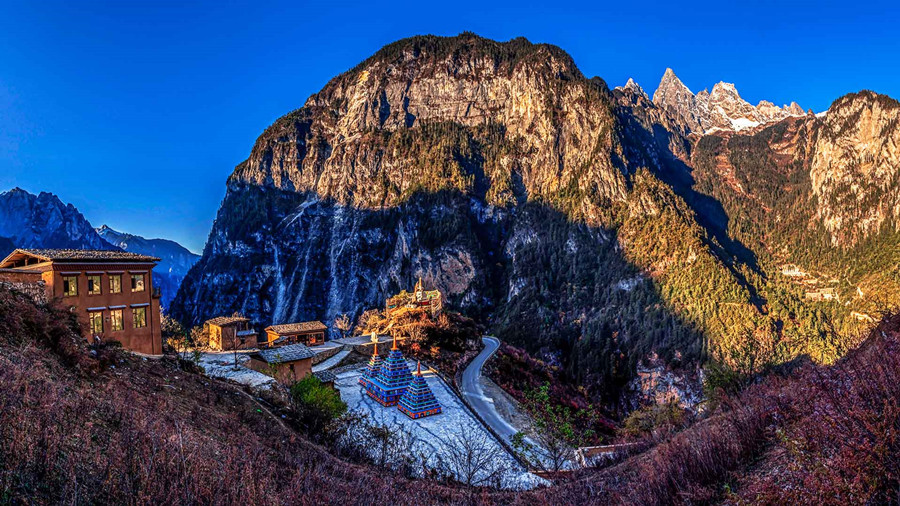
Shangri-La Bala Gezong National Park is located Northwest of Shangri-La county, 55 kilometers from Shangri-La Airport. It is at the border of Yunnan and Tibet, with a total area of 176 square kilometers....
Length of Travel: 4 Day
Destinations of Tour: Shangri-La - Bala Village - Bala Gezong Grand Canyon - Shangri-La
Departure City: Shangri-La
Price of Tour: Request
Type of Tour:
Features of Tour: History Minorities Landscape ethnic villages
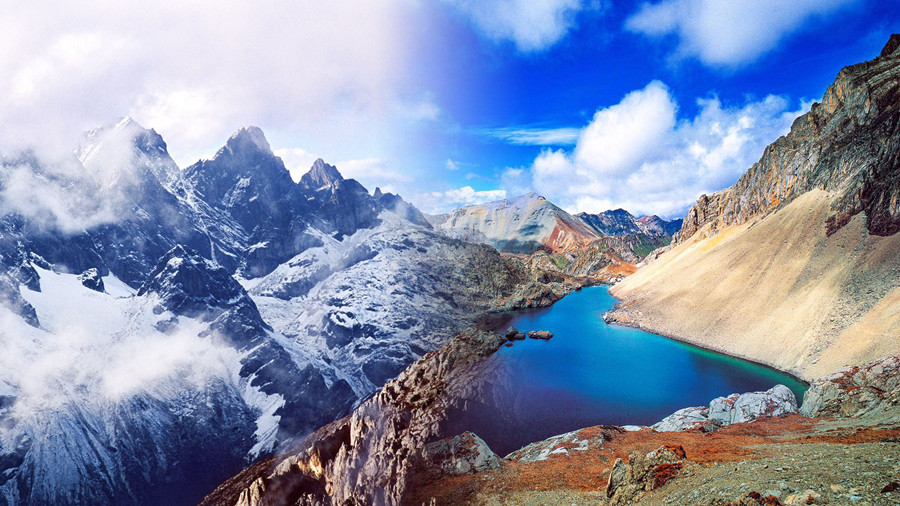
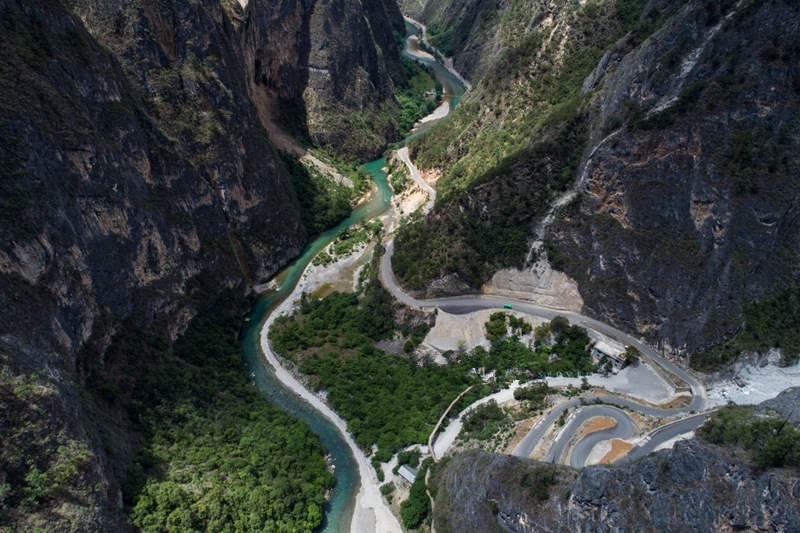
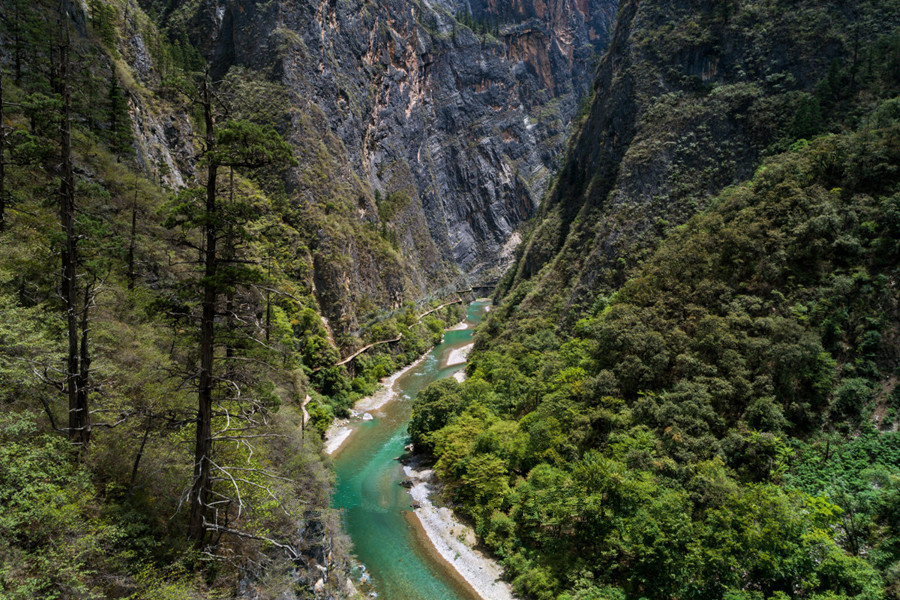
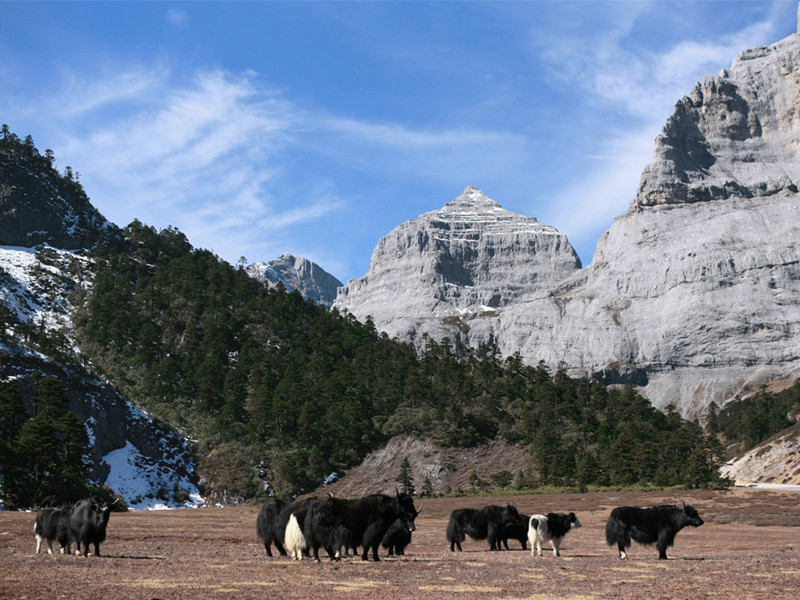
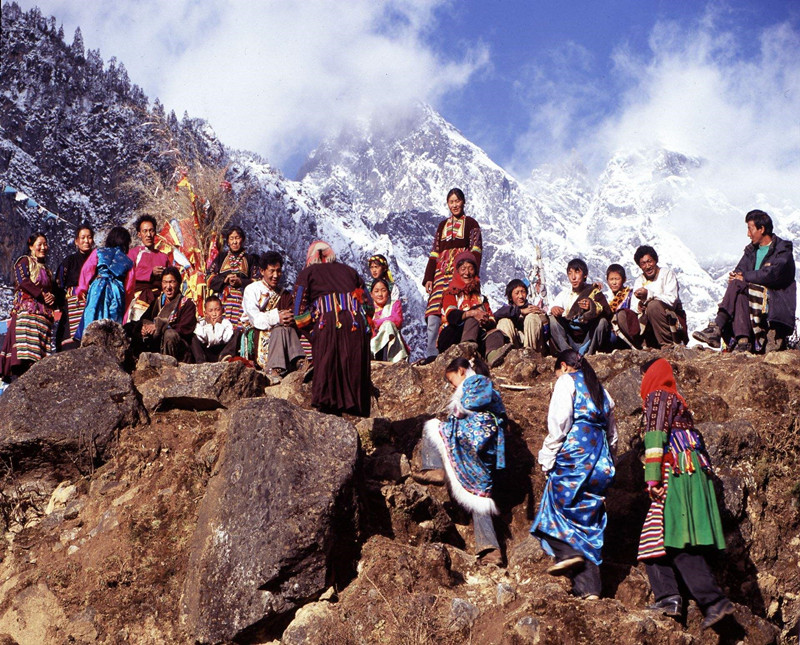
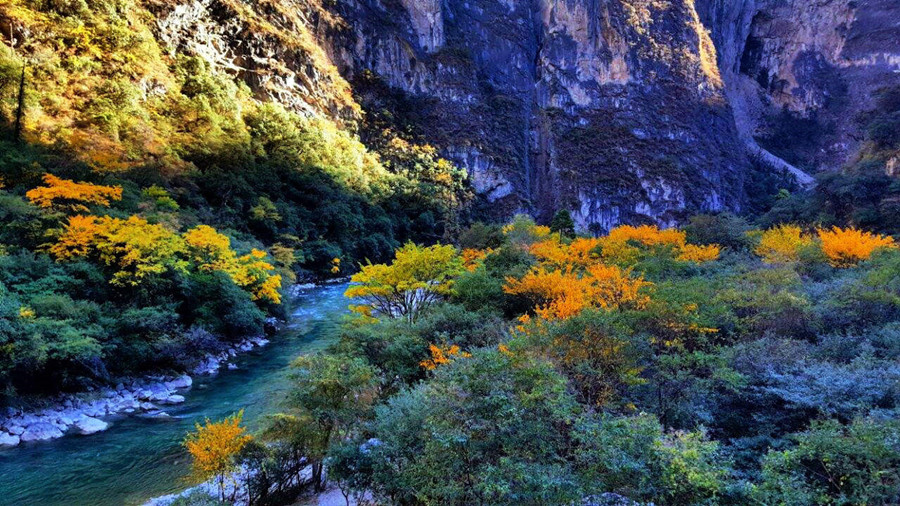
Shangri-La Bala Gezong National Park is located Northwest of Shangri-La county, 55 kilometers from Shangri-La Airport. It is at the border of Yunnan and Tibet, with a total area of 176 square kilometers. Bala GezongSnow Mountain’s highest peak is 5545 meters above sea level; the lowest point is 2200 meters above sea level, the relative elevation is 3345 meters. Here, the snow mountain is precipitously steep, and the meadows is vibrant with cattle and sheep flocks. This is a magnificent natural scenery of snow mountains, glaciers, canyons, forests, meadows, lakes and fresh air. Bala Gezong National Park is a scene of unsurpassed beauty. The canyons, rivers, rocks, snow mountains, grasslands, lakes and colorful Tibetan folk culture are all within.
Highlights
- Visit the magnificent natural scenery of snow mountains, glaciers, canyons, forests, meadows, lakes and fresh air.
- Experience the ethnic life and culture in Shangri-la.
Breif Itinerary
-
Day 1 Shangri-La – Qiaotou Village – Fota Pasture
-
Day 2 Fota Pasture – Guisongwang Pasture
-
Day 3 Guisongwang Pasture – Naidang Pasture
-
Day 4 Naidang Pasture – Nala Village – Shangri-La
Detailed Itinerary
Day 1 Shangri-La – Qiaotou Village – Fota Pasture
Sightseeing and Activities:Shangri-La – Qiaotou Village – Fota Pasture
Accommodation: Shangri-La
Meals: Breakfast
Leaving from Shangri-La city in the morning,then you will enter the Bala Gezong Gorge from Qiaotou Village.You will have lunch at Shuizhuang Village, then visit the Palm Gorge, Bala Village,and pagoda by car. The altitude at Bala Gezong Gorge is 4200 meters, you are free to explore the surrounding area. Prepackaged food will be provided for dinner.
Day 2 Fota Pasture – Guisongwang Pasture
Sightseeing and Activities:Fota Pasture – Guisongwang Pasture
Accommodation: Shangri-La
Meals: Breakfast
After breakfast, pack your baggage then hike to the Guisongwang Pasture, on the way you will be seeing Pagoda Platform and the Flower Sea. You will arrive at Guisongwang Pasture in the afternoon around 15:00pm. You can spend lots of time in the primeval forests with azalea flowers and meadows. Altitude of Guisongwang Pasture is 3400 meters, and the total walking distance is 11.5 kilometers, which takes about 7 hours.
Day 3 Guisongwang Pasture – Naidang Pasture
Sightseeing and Activities:Guisongwang Pasture – Naidang Pasture
Accommodation: Shangri-La
Meals: Breakfast
After breakfast pack your baggage and hike to Naidang Pasture,and you will pass through a viewing platform. Today’s total walking distance is 8 kilometers and takes about 6 hours. Altitude of Naidang Pasture is 3300m.
Day 4 Naidang Pasture – Nala Village – Shangri-La
Sightseeing and Activities:Naidang Pasture – Nala Village – Shangri-La
Accommodation: None
Meals: Breakfast
After breakfast you will walk from Naidang Pasture to Dayong-Nala Village. The hike is 13 km and you will have a charming scenery of mountains, forests, and creeks. Arrive at Nara Village around 15:00 pm and return to Shangri-La by car.
Recommended Hotels
| Destination | 5 Star | 4 Star | 3 Star | Hostels |
| Shangri-La | Shangri-La Hotel | Zhaxidele Hotel | Shenqu Hotel | Local Hostel |
Service Included:
- Admission fees for all of the sightseeing spots listed in the itinerary;
- Meals as listed in the itinerary;
- Hotels as listed in the itinerary;
- Sharing English-speaking tour guide and vehicle for transfers & sightseeing;
- Service charge & government taxes;
- Luggage transfers between airports and hotels;
- Free-bottled mineral water.
Service Excluded:
- Any arrival and departure international airfares or train tickets;
- Chinese visa fees;
- Excess baggage charged by Airlines;
- Tips to guides and drivers;
- Personal expenses and gratuities to service staff.
- Personal travel accident insurance;
- All optional programs.