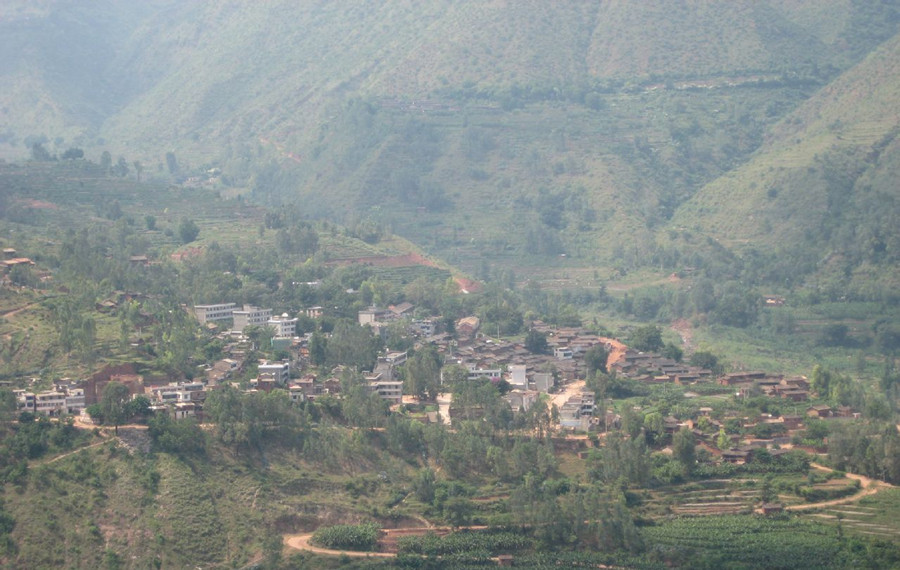
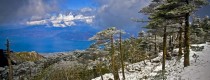
Dongpo Dai Township (东坡傣族乡) is under the jurisdiction of Wuding County (武定县), Chuxiong Yi Autonomous Prefecture (楚雄彝族自治州), Yunnan Province (云南省). It is located in the northwestern part of Wuding County, bordering Wande Town (万德镇), Fawo Township (发窝乡), and Tianxin Township (田心乡) to the east; Gaoqiao Town (高桥镇) to the south; Huanzhou Township (环州乡) to the west; and across the Jinsha River (金沙江), facing Jiangyi Township (姜驿乡) in Yuanmou County (元谋县) to the north. The township covers an administrative area of 219 square kilometers. By the end of 2020, it had 3,900 households with a population of 13,595.
History
- Originally, Dongpo Dai Township was under the administration of the Li clan tusi (李氏土司).
- In July 1950, it was placed under Huanjiang District (环江区).
- In November 1953, it became part of Huanzhou District (环州区).
- In February 1972, it was reorganized as Pingdi Commune (平地公社).
- In 1982, it was renamed Dongpo Commune (东坡公社).
- In May 1984, it became Dongpo District (东坡区).
- In April 1988, it was restructured as Dongpo Dai Township (东坡傣族乡).
Administrative Divisions
As of the end of 2011, Dongpo Dai Township governed eight administrative villages: Dongpo (东坡), Dawo (达卧), Zhuangfang (庄房), Shuikou (水口), Suosuoka (所所卡), Yichidao (以赤叨), Dongdian (东甸), and Baimakou (白马口), with 75 village groups under them.
As of June 2020, the township still had eight administrative villages, with the township government located at No.1 Dongpo Street (东坡街1号).
List of Villages
- Dongpo Village (东坡村)
- Dawo Village (达卧村)
- Zhuangfang Village (庄房村)
- Shuikou Village (水口村)
- Suosuoka Village (所所卡村)
- Yichidao Village (以赤叨村)
- Dongdian Village (东甸村)
- Baimakou Village (白马口村)
Geography and Environment
Location and Terrain
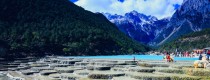
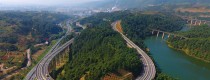
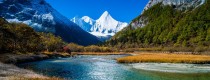
Dongpo Dai Township is situated in the northern river valley region of Wuding County. The terrain descends step by step from south to north, being higher in the southeast and lower in the north. The landscape is surrounded by mountains to the east and west, with rivers deeply incised into the valleys. The Dongpo Basin lies on alluvial valleys and river deltas.
- Highest point: Ajilu Mountain (阿基鲁山), 2,400 m
- Lowest point: Baimakou Village (白马口村) on the Jinsha River, 919 m
Climate
The township has a plateau monsoon climate.
- Average annual temperature: 20℃
- Annual rainfall: 600–700 mm
- Frost-free all year round
- The low-heat valley villages are known as “natural greenhouses.”
Hydrology
- Mengguo River (勐果河): a tributary of the Jinsha River, flows 25 km through the township.
- Shala River (沙拉河): a tributary of the Mengguo River, 11 km long.
- Huanzhou River (环州河): also a tributary of the Mengguo River, 15 km long.
Natural Disasters
Dongpo Dai Township is prone to droughts, floods, mudslides, strong winds, and earthquakes.
- The most severe flood occurred in July 1974, damaging 1,200 mu of crops.
- A major mudslide occurred on July 9, 1985, in Dawo Village (达卧村), killing 10 people and destroying 112 houses.
Natural Resources
The township is rich in gypsum and associated nitrate minerals.
By 2011, it had 15,000 mu of arable land and 80,000 mu of forest land.
Population
- By the end of 2011, the total population was 14,626, with an urbanization rate of 2.3%.
- Males: 50.35% (7,364); Females: 49.65% (7,262).
- Ethnic composition: primarily Lisu (傈僳族) with 4,434 people (30.32%), and other ethnic groups including Yi (彝族), Han (汉族), Dai (傣族), Miao (苗族), and Hani (哈尼族), totaling 69.68%.
- Population density: 68 people per sq. km.
- By the end of 2019, the registered population was 14,820.
- By the end of 2020, there were 3,900 households with a total of 13,595 residents.
Travel Tips
- Best Time to Visit: March to May and September to November, when the climate is mild and pleasant.
- Local Culture: The township is home to diverse ethnic groups including Dai (傣族), Lisu (傈僳族), Yi (彝族), and Miao (苗族). Visitors may experience rich cultural traditions and ethnic festivals.
- Altitude & Climate: The area ranges from river valleys at about 900 m to mountains above 2,400 m, so prepare for significant temperature changes.
- Natural Hazards: Be cautious during the rainy season (June–August), when mudslides and floods are more likely.
- Supplies & Transport: The township has small shops and markets in Dongpo Village (东坡村). Travelers heading into remote villages should stock up on essentials in advance.