Huize County, located in the southeastern part of Yunnan Province, is known for its deep cultural roots and historical significance. One of the oldest counties in Yunnan, it rose to prominence due to its copper mining and transportation, earning the titles of “Copper Capital of the South” (天南铜都) and “Hometown of the King of Money” (钱王之乡). With a rich history that dates back centuries, Huize is often referred to as a living museum of ancient architecture from the Ming (明) and Qing (清) dynasties. Its scenic beauty, unique ethnic culture, and revolutionary history make it a fascinating destination for cultural enthusiasts.
The county is historically significant, as it was one of the sites of the Long March (红军长征) in 1935, where the Red Army made a major stop. This rich history has added an important layer to the cultural identity of Huize. Known for its diverse ethnic groups, including the Yi (彝族), Hui (回族), Zhuang (壮族), Miao (苗族), and many others, Huize County embraces a multicultural environment, with each group contributing to the cultural fabric of the region.
Cultural Highlights of Huize County
The Torch Festival: A Grand Celebration of Ethnic Unity
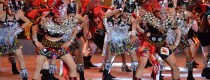
One of the most important cultural celebrations in Huize is the Torch Festival (火把节), held every year at the end of July. This spectacular festival, in 2025 themed “Meet in Qiancheng Huize, Ignite the Passionate Torch” (相约钱城会泽、点燃激情火把), is an explosion of color, music, and dance. The festival includes a variety of activities, such as brisk walking, Yi (彝族) ethnic clothing displays, a massive communal banquet, traditional song and dance performances, and a grand parade. These activities attract tens of thousands of people, both in person and through live-streams. The Torch Festival is not only an expression of Yi culture but also a powerful demonstration of ethnic unity, drawing people from all over the region.
The festival is a vivid reflection of the multicultural atmosphere of Huize. It’s an event where different cultures come together to celebrate their shared history and traditions, making it a significant occasion for both locals and visitors.
Intangible Cultural Heritage: A Treasure of Traditional Skills and Arts
Huize is home to an impressive collection of Intangible Cultural Heritage (非物质文化遗产), with 58 items, including one national-level, one provincial-level, and 22 municipal-level listings. Among the most renowned traditions is the Bronze Craft (斑铜工艺品), which has been passed down for over 300 years. This craft is considered a unique treasure of China (中华一绝) due to its intricate design and the skill required to produce it. In addition to bronze craftsmanship, Huize is famous for Cave Music (洞经音乐), Yi Haqiang (彝族海腔) singing, and the Miao Lusheng Dance (苗族芦笙舞会), which are important cultural expressions that showcase the region’s ethnic diversity and cultural depth.
These traditional crafts and performances are not only part of Huize’s heritage but are also vital to the local economy and cultural preservation. They continue to be practiced today, with many local artisans and performers keeping the traditions alive for future generations.
The Ancient City and Guild Halls: Living Testimonies of Cultural Fusion
The Ancient City of Huize (会泽古城) stands as a testament to the region’s rich history and multicultural heritage. This historical site has been recognized as one of Yunnan’s second batch of provincial-level night-time cultural and tourism consumption gathering areas. The city maintains its traditional layout from the Ming and Qing dynasties, with many of its ancient guild halls and temples still intact. It is often referred to as the “Museum of Ancient Architecture from the Ming and Qing Dynasties” (明清古建筑博物馆).
The ancient city once boasted 108 guild halls and temples, reflecting the blend of Central Plains culture (中原文化) and Yi culture (彝族文化). These guild halls, alongside significant relics of Islam, Buddhism, and Taoism, showcase the city’s multicultural history and its importance as a cultural and trade center in the region. Today, these historic structures attract visitors who wish to experience a unique blend of architectural beauty and multicultural influences.
Ethnic Festivals and Local Traditions: A Rich Tapestry of Life
In addition to the Torch Festival, Huize hosts a variety of other ethnic festivals and local traditions that offer a deep dive into the region's rich cultural practices. The Yi Haqiang (彝族海腔) singing and the Miao Lusheng Dance (苗族芦笙舞会) are particularly vibrant and showcase the artistic expressions of the Yi and Miao peoples. These traditional performances are not only a means of cultural expression but also an important way of fostering unity among the different ethnic groups in the region.
The Taoist Cave Music (道教洞经音乐), another significant cultural activity in Huize, adds to the diversity of local customs and practices. These traditional performances and festivals not only attract visitors but also help to preserve the cultural identity of Huize’s minority groups, offering a glimpse into their spiritual and cultural lives.
A Journey Through the Heart of Huize County
Huize County is a fascinating cultural and historical destination that offers travelers a unique opportunity to experience the fusion of ancient traditions, revolutionary history, and ethnic diversity. Whether you’re exploring the ancient city, participating in the lively Torch Festival, or discovering the craftsmanship behind the Bronze Craft (斑铜工艺品), Huize promises to provide a truly enriching experience. With its vibrant multicultural atmosphere and deep-rooted history, it’s a place that captures the essence of Yunnan’s diverse cultural landscape.