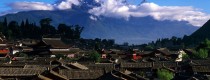
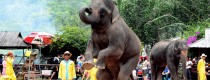
Ruili (傣语: 勐卯, Mèngmǎo, meaning “Misty Place,” later named 瑞丽, Ruìlì, “Auspicious & Beautiful”) is a county-level city under Dehong Dai and Jingpo Autonomous Prefecture (德宏傣族景颇族自治州, Déhóng Dǎizú Jǐngpōzú Zìzhìzhōu). Located on China’s southwest border, it is a core gateway for cross-border trade and a melting pot of Dai (傣族, Dǎi Zú) and Burmese (胞波, Bāobō) cultures.
Ruili’s history can be traced through: prehistoric settlement → Ancient Mengmao / Guozhanbi Kingdom → Han & Tang administration → Yuan-Ming Tusi governance → Republican bureaus → PRC county establishment → county-to-city upgrade → integration of Wanding (畹町, Wǎndiàn) → modern border hub.
It is a key node on the Southern Silk Road of China (南方丝绸之路, Nánfāng Sīchóu Zhī Lù), the Yunnan-Myanmar Road (滇缅公路, Diān-Miǎn Gōnglù), and a millennium-old center of border trade.
I. Prehistory to Pre-Qin: Early Settlers and the Rise of Ancient Kingdoms (Prehistory – 221 BC)
1. Neolithic Settlements
-
Fossilized human teeth discovered at Nanguba (南姑坝, Nángūbà) indicate human habitation over 10,000 years ago.
-
Sites like Mangyue (芒约, Mángyuē) yielded stone axes and carbonized rice, confirming early Pu people (濮人, Pú Rén) and Dai ancestors (傣族先民, Dǎi Zú Xiānmín) cultivated rice and settled permanently.
-
Ruili is part of early western Yunnan civilization.
2. Pre-Qin: Founding of Ancient Mengmao / Guozhanbi Kingdom
-
According to Dai historical texts “Hei Menggu Meng” (嘿勐沽勐):
-
364 BC: Dai ancestors established Ancient Mengmao Guozhanbi Kingdom (勐卯果占壁王国, Mèngmǎo Guǒzhànbì Guó) in the Ruili River Valley (瑞丽江河谷, Ruìlì Jiāng Hégǔ).
-
Capital at Leiyun City (雷允城, Léi Yǔn Chéng), ruins still exist.
-
Kingdom controlled present-day Ruili (瑞丽, Ruìlì), Longchuan (陇川, Lǒngchuān), and northern Myanmar, representing the early Dai civilization.
II. Qin-Han to Tang-Song: Centralized Administration and Nanzhao-Dali Governance (221 BC – 1253 AD)
1. Qin-Han: Ailao Territory and Yongchang Commandery
-
Ruili was part of Ailao territory (哀牢地, Āiláo Dì), the former Elephant Riding Kingdom of Dianyue (乘象国滇越, Chéngxìang Guó Diān Yuè).
-
Southern Silk Road (蜀身毒道, Shǔshēn Dú Dào) ran through the region, transporting elephants, jewels, and silk to India.
-
69 AD (Eastern Han, Yongping 12th year): Ailao incorporated into Han, Yongchang Commandery (永昌郡, Yǒngchāng Jùn) established; Ruili under Ailao County (哀牢县, Āiláo Xiàn). Central agricultural techniques, iron tools, and ritual systems introduced.
2. Wei-Jin and Southern-Northern Dynasties: Frontier Autonomy
-
Ruili fell under Ningzhou Yongchang Commandery (宁州永昌郡, Níngzhōu Yǒngchāng Jùn) during Western Jin (271 AD).
-
Local autonomy increased, led by Jinchi Man (金齿蛮, Jīnchǐ Mán, Dai ancestors).
3. Tang-Song: Nanzhao and Dali Influence
-
Tang Dynasty: called Xielecheng (些乐城, Xiēlèchéng); part of Nanzhao Yongchang Jiedu (永昌节度, Yǒngchāng Jiédù), a frontier military and trade hub.
-
Song Dynasty: named Bumangdian (布茫甸, Bùmángdiàn) under Dali Kingdom (大理国, Dàlǐ Guó), Tengyue Prefecture (腾越府, Téngyuè Fǔ).
-
Theravada Buddhism began spreading; Tusi (土司, Tǔsī) powers started emerging.
III. Yuan-Ming Period: Luchuan Route and Mengmao Anfu Si Administration (1253–1644 AD)
1. Yuan Dynasty: Establishment of Luchuan Route
-
1253 (Yuan Xianzong 3rd year): Kublai Khan conquered Dali; Mengmao submitted to Yuan.
-
1276 (Yuan 13th year): Luchuan Route Military-Civil Administration (麓川路军民总管府, Lùchuān Lù Jūnmín Zǒngguǎn Fǔ) established; Ruili became core region.
-
Hereditary Tusi system formalized, Dai leaders appointed as Route Administrators (总管, Zǒngguǎn).
2. Ming Dynasty: Luchuan Campaigns and Mengmao Anfu Si
-
1382 (Ming Hongwu 15th year): Pingmian Xuanweisisi (平缅宣慰使司) established, later Luchuan Pingmian Xuanweisisi (麓川平缅宣慰司).
-
Tusi Si family gained strong influence; Ming undertook Three Luchuan Campaigns (1441–1449).
-
1596 (Ming Wanli 24th year): Pinglu City (平麓城, Pínglù Chéng) built;
-
1604 (Ming Wanli 32nd year): Mengmao Anfu Si (勐卯安抚司, Mèngmǎo Ānfǔ Sī) established; Si family descendant Yan Zhong (思氏后裔衍忠, Yǎn Zhōng) appointed Tusi, hereditary governance under Yongchang Prefecture.
-
Ruili became a hub for Yunnan-Myanmar trade, with Han (汉族, Hàn Zú), Jingpo (景颇族, Jǐngpō Zú), and De’ang (德昂族, Dé’áng Zú) migrations forming a multiethnic community.
IV. Qing Dynasty: Tusi Continuation and Border Governance (1644–1912 AD)
-
Early Qing: Mengmao Anfu Si under Tengyue Ting (腾越厅, Téngyuè Tīng); Si family Tusi retained hereditary control.
-
Mid-late Qing: Ruili emerged as a tea, jade, and silk trade center, with Jiele Golden Pagoda (姐勒金塔, Jiělè Jīn Tǎ) and Theravada Buddhist temples constructed.
-
Late Qing: British occupation of Burma heightened border tensions.
V. Republican Era: Administrative Bureaus and War Contributions (1912–1949)
1. Administrative Reorganization
-
1915: Mengmao Administrative Committee (勐卯行政委员会) established under Tengyue Dao (腾越道).
-
1932: Ruili Administrative Bureau (瑞丽设治局) created, county-level authority; “Ruili” used as official name for first time.
-
1949: Administrative bureau remained; Tusi system persisted.
2. Anti-Japanese War Contributions
-
1938: China-Myanmar Road (滇缅公路, Diān-Miǎn Gōnglù) completed; Ruili terminal became a logistics hub for war supplies.
-
1942: Japanese occupation; 1945: liberated by Allied forces; bureau restored.
VI. People’s Republic of China: County Establishment and Border Development (1949–2026)
1. Liberation and County Formation
-
May 1950: PLA entered Ruili; peaceful liberation; ethnic democratic government established.
-
November 1952: Ruili County (瑞丽县, Ruìlì Xiàn) approved; under Baoshan Prefecture (保山专区, Bǎoshān Zhuānqū).
-
1956: Incorporated into Dehong Dai and Jingpo Autonomous Prefecture; December: China-Myanmar Border Peoples’ Friendship Conference with Premier Zhou Enlai (周恩来, Zhōu Ēnlái) and Myanmar PM U Ba Nyein (吴巴瑞, Wú Bāruì) held in Wanding (畹町, Wǎndiàn), strengthening cross-border ethnic ties.
-
1958–1959: Brief merger with Longchuan; original administrative structure restored.
2. Reform and City Upgrade
-
1987: Ruili designated National Class-I Border Port.
-
1990: Opened for tourism.
-
June 1992: Approved as border opening city, adopting coastal open policies; June 26, 1992: Ruili County dissolved, upgraded to county-level city (瑞丽市, Ruìlì Shì) under Dehong Prefecture.
-
February 1999: Wanding City abolished and incorporated; Wanding Economic Development Zone established.
3. Contemporary Development
-
Largest inland border port in southwest China.
-
Known as “Oriental Jewelry City”, hub for China-Myanmar trade and cultural exchange.
-
Landmarks: Jiegao Border Trade Zone (姐告边境贸易区, Jiégào Biānjìng Màoyì Qū), One Village, Two Countries (一寨两国, Yī Zhài Liǎng Guó).
-
Model for multiethnic harmony and border openness.
VII. Core Historical and Cultural Highlights of Ruili
-
Ancient Mengmao Culture: Mengmao Guozhanbi Kingdom (勐卯果占壁王国) founded 364 BC; Leiyun City ruins (雷允城遗址, Léi Yǔn Chéng Yízhǐ) witness early Dai civilization.
-
Tusi System Legacy: Si family Tusi (思氏土司) hereditary rule for 351 years (1604–1955); living example of southwest frontier governance.
-
Silk Road & War Heritage: Southern Silk Road + China-Myanmar Road intersection; evidence of international trade and wartime logistics.
-
China-Myanmar Bāobō Culture: cross-border Dai ethnic continuity, frequent interactions, deep kinship.
-
Theravada Buddhism & Intangible Heritage: Jiele Golden Pagoda (姐勒金塔, Jiělè Jīn Tǎ), Bodhi Temple (菩提寺, Pútí Sì); origin of Dai Peacock Dance (孔雀舞, Kǒngquè Wǔ); song “There is a Beautiful Place” (有一个美丽的地方, Yǒu Yīgè Měilì de Dìfāng) composed here.