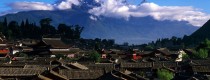
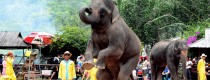
Zhemi Lahu Ethnic Town in Jinping County, Honghe

Zhemi Lahu Ethnic Town in Jinping County, Honghe

Zhemi Lahu Ethnic Town (者米拉祜族乡) is a captivating destination located in the southwestern part of Jinping County (金平苗族瑶族傣族自治县), Honghe Hani and Yi Autonomous Prefecture (红河哈尼族彝族自治州), Yunnan Province (云南省). The town is a hidden gem, offering a blend of lush natural landscapes and vibrant cultural experiences. The town is bordered by Mengla Town (勐拉镇) to the east, Vietnam’s Lai Chau Province (越南莱州省) to the south, Luxi County’s Pinghe Township (绿春县平河乡) to the west, and Laojizhai Township (老集寨乡) to the north. Located approximately 99 kilometers from the county’s urban center, Zhemi Lahu Ethnic Town covers an area of 383 square kilometers and has a population of 24,589 as of 2019.


General Information

Location: Zhemi Lahu Ethnic Town (者米拉祜族乡), Jinping County (金平苗族瑶族傣族自治县), Honghe Prefecture (红河哈尼族彝族自治州), Yunnan Province (云南省)

Area: 383 km²

Population: 24,589 (as of 2019)

Climate: Subtropical monsoon climate (亚热带季风气候)

Administrative Division: 4 administrative villages

Government Location: Xinxinzai (下新寨)

Phone Area Code: 0873

Postal Code: 661503


History and Administrative Evolution

Zhemi Lahu Ethnic Town has a long history that traces back to the Qing Dynasty. In 1682, during the reign of Emperor Kangxi, the Zhemi Tuchang Zhai (者米土掌寨) was founded. The area saw further development with the establishment of Citongba Tuchang Zhai (茨通坝土掌寨) in 1753. Following the formation of the Republic of China, administrative shifts led to the incorporation of the region into Jinhe District (金河行政区). In 1983, the region transitioned from the Zhemi District (者米区) to Zhemi Lahu Ethnic Town, marking its official designation.


Administrative Structure

As of June 2020, Zhemi Lahu Ethnic Town consists of 4 administrative villages:

Xinxinzai Village (下新寨村)

Dingqing Village (顶青村)

Hebian Zhai Village (河边寨村)

Baha Village (巴哈村)

The town is further divided into 69 village groups, with the township government located in Xinxinzai (下新寨).


Geography and Climate

Geography

Zhemi Lahu Ethnic Town lies at the southeastern edge of the Ailao Mountains (哀牢山脉) and the Fengtiao River (藤条江) basin, making it part of the tropical humid river valley region. The area is known for its mountainous terrain and river valleys that interlace throughout the landscape. The highest peak in the area is Xilong Mountain (西隆山), located in Dingqing Village (顶青村) with an elevation of 3,074.3 meters. The lowest point is the Citongba River Valley (茨通坝河谷) in Hebian Zhai Village (河边寨村), at 385 meters above sea level.

The region's terrain features mountains and river valleys, creating a rich biodiversity and offering numerous opportunities for outdoor activities like hiking, camping, and fishing.

Climate

The town experiences a complex climate due to its diverse elevations, often described as a "mountain with four seasons and different days in each valley."

River Valley Region (400–800 meters): With an annual precipitation of 1,600–2,000 mm, the average temperature here is 20°C.

Semi-Mountainous Region (800–1,600 meters): Average temperature of 16°C, with rainfall between 2,000–2,800 mm.

High-Altitude Region (Above 1,800 meters): Temperatures are below 15°C, and the area is often shrouded in mist and frost, especially in winter. The average annual temperature is 15°C, and winters bring frequent ice storms.

Water Systems

Zhemi Lahu Ethnic Town is home to 15 rivers, with the Citongba River (茨通坝河) being the longest at 25 kilometers, draining a basin of 533.6 square kilometers. The rivers support the region’s agricultural practices and create an ideal environment for fishing and water-based activities.


Natural Resources and Ecological Diversity

Zhemi Lahu Ethnic Town is rich in natural resources, with proven deposits of lead, zinc, gold, copper, and crystal stones. The town also boasts 11,200 acres of forest with a forest coverage rate of 57%. The area is home to protected species, including:

First-class protected animals: Gibbons (长臂猿)

Second-class protected animals: Black bears (黑熊), honey monkeys (蜂猴)

Endangered plants: Yunnan magnolia (长蕊木兰), redwood (红豆杉)

These resources form the foundation for the region's eco-tourism and conservation efforts.Zhemi Lahu Ethnic Town of Jinping County in Honghe Prefecture


Population and Ethnicity

As of 2019, Zhemi Lahu Ethnic Town's population was 24,589, with a majority of ethnic groups belonging to the Lahu (拉祜族), comprising 30% of the population. Other prominent ethnic groups include the Hani (哈尼族) at 22.2%, Dai (傣族), Yi (彝族), and Han (汉族). The town’s diverse ethnic makeup contributes to a rich cultural heritage, offering unique experiences for visitors interested in traditional practices and festivals.


Cultural Heritage and Festivals

Lahu Culture

Lahu culture (拉祜族文化) is prominently showcased in traditional crafts such as bamboo weaving. Visitors can observe the creation of traditional fishing tools, including the inverted-basket fish traps made of bamboo. These tools are integral to the community's subsistence lifestyle.

Torch Festival (火把节)

The Torch Festival is one of the most significant celebrations in Zhemi, occurring during the sixth month of the lunar calendar. This lively festival features:

Bonfire celebrations

A long street banquet

Lahu (拉祜族) traditional song and dance performances

The festival offers an incredible opportunity for visitors to immerse themselves in the local customs and celebrations.Zhemi Lahu Ethnic Town of Jinping County in Honghe Prefecture


Suggested Itinerary

2-Day, 1-Night Classic Route

Day 1:

  • Morning: Arrive at Zhemi Lahu Ethnic Town, hike to Xilong Mountain (西隆山) for spectacular views.

  • Afternoon: Visit a Lahu village to experience bamboo weaving and other cultural activities.

  • Evening: Stay at a riverside campsite or a local guesthouse for a peaceful retreat.

Day 2:

  • Morning: Explore the Fenshui Ridge National Nature Reserve (分水岭国家级自然保护区), a haven for nature enthusiasts.

  • Afternoon: Enjoy fishing at the Fengtiao River (藤条江) before returning.

Extended Tour Option

Consider visiting the Butterfly Valley (蝴蝶谷) around May to June, when you can witness an awe-inspiring butterfly migration.


Practical Information

Transportation

By Car: Drive from Kunming (昆明) to YuanYang (元阳), then to Jinping (金平) and Zhemi Lahu Ethnic Town. The journey takes approximately 6 hours, with the last stretch involving mountainous roads.

Public Transport: You can take a bus from Kunming South Bus Station (昆明南部客运站) to Jinping (金平), then transfer to a village bus (1–2 services per day).

Accommodation Recommendations

Budget: Zhemi Chang Le Business Hotel (者米常乐商务酒店) offers affordable accommodation for around 85 RMB per night.

Unique Stay: Stay at the Butterfly Village Leisure Family Farm (金平蝴蝶之乡休闲家庭农场) for a countryside experience with bamboo weaving activities.

Dining Recommendations

Must-Try: Dai-style lemongrass grilled fish (傣味香茅草烤鱼) and sour pork leg soup (酸汤红豆炖猪脚). Recommended restaurant: Zhemi Yongxin Restaurant (者米永鑫饭店).Zhemi Lahu Ethnic Town of Jinping County in Honghe Prefecture


Things to Note

Best Time to Visit

May to October: This period is ideal for hiking, photography, and participating in the Torch Festival. Winter can be challenging due to road closures in the mountains.

Packing Tips

Footwear: Bring non-slip shoes for hiking. If camping, carry a camping mat and sleeping bag.

Respect Local Customs: Always ask for permission before photographing villagers or their homes.

Environmental Tips

Eco-Conscious Travel: Help preserve the natural environment by not littering and respecting wildlife conservation efforts, particularly around the water sources.

Related Categories