7 Days GolfingTour
 8 Days Group Tour
 8 Days Yunnan Tour
 7 Days Shangri La Hiking
 11 Days Yunnan Tour
 6 Days Yuanyang Terraces
 11 Days Yunnan Tour
 8 Days South Yunnan
 7 Days Tea Tour
 8 Days Muslim Tour
 12 Days Self-Driving
 4 Days Haba Climbing
 Tiger Leaping Gorge
 Stone Forest
 Yunnan-Tibet
 Hani Rice Terraces
 Kunming
 Lijiang
 Shangri-la
 Dali
Dali
 XishuangBanna
 Honghe
 Kunming
 Lijiang
 Shangri-la
 Yuanyang Rice Terraces
 Nujiang
 XishuangBanna
 Spring City Golf
 Snow Mountain Golf
 Stone Mountain Golf








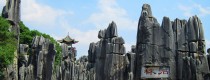



Mizhi Festival of Sani Ethnic People in Luxi County, Honghe
Overview
Chinese Name: 泸西县彝族撒尼人密枝节
English Name: Mizhi Festival of Sani Ethnic People in Luxi County, Honghe
Location: 泸西县午街铺镇林树村/Linshu Village, Wujiepu Town, Luxi County
The Mizhi Festival (密枝节) is a traditional religious and cultural celebration held by the Sani branch of the Yi ethnic group in Luxi County (泸西县), located in Honghe Hani and Yi Autonomous Prefecture (红河哈尼族彝族自治州), southern Yunnan Province (云南省). It is an annual festival that combines elements of religious sacrifice, ecological protection, and community bonding.
Overview
Festival Duration
The festival is observed from the first Rat Day to the first Horse Day of the Lunar November, usually occurring between November 22-28 (2025). The celebration lasts for seven days.
Location
The festival is celebrated in Sani villages in Luxi County, such as Caohua Village (菜花村), particularly in the Mizhi Forest (密枝林).
Nature of the Festival
The Mizhi Festival is a male-exclusive traditional festival with religious significance, focusing on worship, ecological conservation, and strengthening community cohesion.
Core Rituals and Activities
Ritual Preparation
Selection of the Mizhi Leader: The Mizhi Leader (密枝翁), a ritual overseer, is chosen through an ancient divination method. This leader has no special privileges and serves the community during the festival.
Sacrificial Offerings: Villagers pool their resources to purchase sacrificial items, including white sheep, white pigs, rice, and alcohol. Women do not participate in the preparation.
Mizhi Forest Sacrifice
The ritual begins with the Bimo (毕摩), a spiritual leader, leading the men into the Mizhi Forest to prepare the site for the sacrificial ceremony.
Ceremony Procedure:
-
The Bimo leads the procession, cleans the sacrificial altar (stone shelf), and prepares it with pine needles.
-
Livestock is slaughtered, and the Bimo chants the Mizhi Sutra to call upon the ancestral spirits.
-
Offerings are made to the Mizhi Stones (神石), which represent male and female deities, Pupa (普帕) and Puma (普玛), or Mizhi Sima (密枝斯玛).
Sacred Rules:
-
Women and non-Sani people are prohibited from entering the Mizhi Forest.
-
Sacred trees in the forest are strictly protected and cannot be cut.
Community Activities
Male Gathering: The men of the village gather in the Mizhi Forest to engage in socializing, wrestling, hunting, and emotional release.
Ecological Significance: The Mizhi Forest is protected year-round, and the festival serves to strengthen the community’s environmental awareness.
Cultural Characteristics
Gender Separation
Women gather in the Mother and Child Mountain (母子山) to hold a separate feast, while the men participate in the rituals and activities in the Mizhi Forest.
Modern Integration
In recent years, the festival has incorporated themes of ethnic unity, with people from other ethnic groups invited to observe the ceremony.
Participation Guidelines
Transportation
Luxi County is located about 30 minutes by car from the Sani villages. Visitors should contact local organizers in advance to arrange participation.
Important Notes
Respect the sacred nature of the rituals and avoid disrupting the ceremonies.
No photography or loud noise is allowed in the Mizhi Forest.
2025 Update
In 2025, the Mizhi Festival will be held jointly with the Sani people of Mile (弥勒) to expand the scale to include over 1,000 participants.
History and Development of Luxi County
Historical Background
Linxu Village (林树村) was originally named after a hawthorn tree found north of the village. It has a long history, with Sani Yi people migrating here from Shilin County (石林县) and Luxi County (泸西县) in 1906. Initially, there were only 19 households, and the village grew through farming and land distribution after the 1949 Liberation.
Agricultural Development
Since the Reform and Opening-Up era, Linxu Village has seen significant agricultural growth. The village has 535 acres of arable land, focusing on crop production such as rice, maize, wheat, and tobacco. Livestock farming, including pigs, cows, and sheep, is also an essential part of the local economy.
Modern Improvements
Recent government initiatives aimed at improving living conditions have transformed the village. Most houses are now modern, with cement foundations and indoor plumbing. The population has increased to 158 households (716 people), with the majority being Sani Yi people.
Ritual Process and Customs
Spiritual Cleansing: On the first day, Bimos perform cleansing rituals in each household by chanting incantations and offering rice and water to drive away evil spirits and ensure the protection of the household.
Sacrifice in the Mizhi Forest: After offering sacrifices, the men, led by the Bimo, prepare a communal feast of chicken, sheep, or other animals in the forest.
Sacred Stones: The Mizhi Stones (神石) represent male and female gods and are offered sacrifices at the Mizhi Tree (神树).
Mountain Chase: After the sacrificial rites, the men participate in the mountain chase (撵山), where they hunt and drive out animals to ensure a bountiful year.
Myths and Legends Behind the Mizhi Festival
Legend 1: Mizhi Sima (密枝斯玛)
The first legend speaks of Mizhi Sima, a clever woman who saved her sheep from a deadly hailstorm by guiding them into the Mizhi Forest. The sheep of Mizhi Sima survived, and this act of bravery became a foundational myth for the festival.
Legend 2: The Forbidden Lovers
Another myth tells of two young lovers who fled to the Mizhi Mountain to escape from a domineering lord. They tragically died in the mountains, and their spirits were believed to haunt the Mizhi Forest, which became a place of protection for the village.
Legend 3: The White Fox
In a third legend, a beautiful young woman named Niwa was pursued by a local lord, who sought to force her into marriage. After her tragic death, Niwa’s spirit transformed into a white fox that protected the Mizhi Forest. This fox became a revered spirit, and the festival serves to honor it and ensure the prosperity of the village.
The Mizhi Festival is a vital cultural and religious observance for the Sani people of Luxi County. It blends worship, ecological responsibility, and social tradition, making it a unique and significant event. Visitors interested in this deeply rooted tradition should be mindful of the rules and respect the sacred nature of the Mizhi Forest. The festival also presents an opportunity for cultural exchange and understanding, as more and more ethnic groups are invited to participate and learn about the rich traditions of the Sani Yi people.