7 Days GolfingTour
 8 Days Group Tour
 8 Days Yunnan Tour
 7 Days Shangri La Hiking
 11 Days Yunnan Tour
 6 Days Yuanyang Terraces
 11 Days Yunnan Tour
 8 Days South Yunnan
 7 Days Tea Tour
 8 Days Muslim Tour
 12 Days Self-Driving
 4 Days Haba Climbing
 Tiger Leaping Gorge
 Stone Forest
 Yunnan-Tibet
 Hani Rice Terraces
 Kunming
 Lijiang
 Shangri-la
 Dali
Dali
 XishuangBanna
 Honghe
 Kunming
 Lijiang
 Shangri-la
 Yuanyang Rice Terraces
 Nujiang
 XishuangBanna
 Spring City Golf
 Snow Mountain Golf
 Stone Mountain Golf
Fengqing County
Fengqing County Overview
Chinese Name: 凤庆县 English IPA: Fengqing County Location: Southwest of Yunnan Population (city): 456,000 Language: Fengqing Dialect Zip code: Tel code: Time zone:
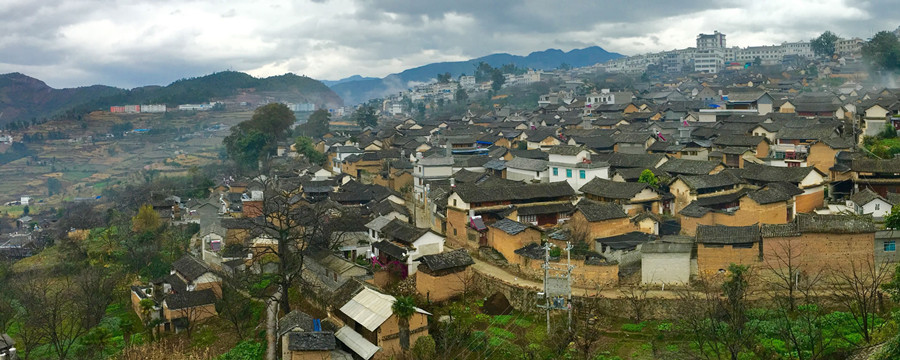
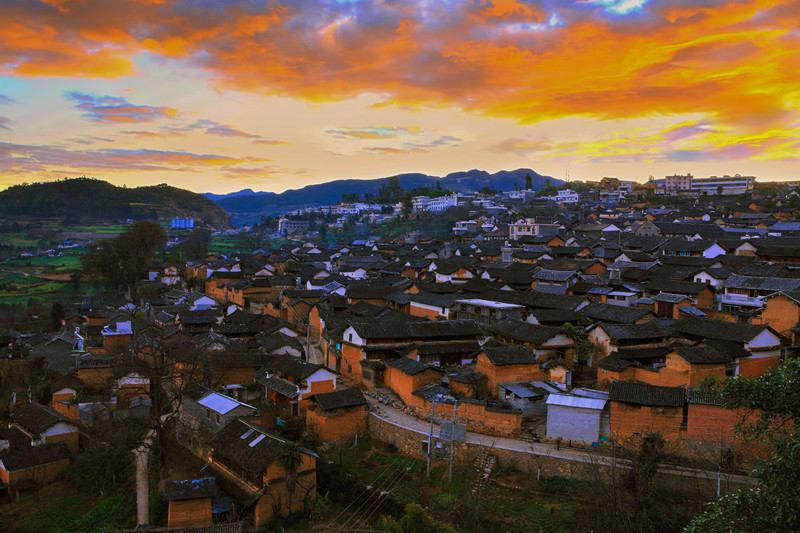
Fengqing county(凤庆县) is located in southwest of Yunnan province, northwest of Lincang city. And it is connected to Weishan county(巍山县) and Nanjian county(南涧县) of Dali Bai Autonomous Prefecture(大理白族自治区) in the east, Yunxian county(云县) in the south, Yongde county(永德县) in the west and Changning county(昌宁县) of Baoshan city(保山市) in the north. Fengqing is an important cultural center in southwest Yunnan. There are many places of interest in the county, including the most complete Confucian temples in southwest Yunnan; the Wenming Lane(文明坊) built in the Ming Wanli period; the Stone Temple(石洞寺) built in the Qing Qianlong period and Wenbi Pagoda(文笔塔) built in the 14th year of the Guangxu dynasty.
Highlights of Fengqing County
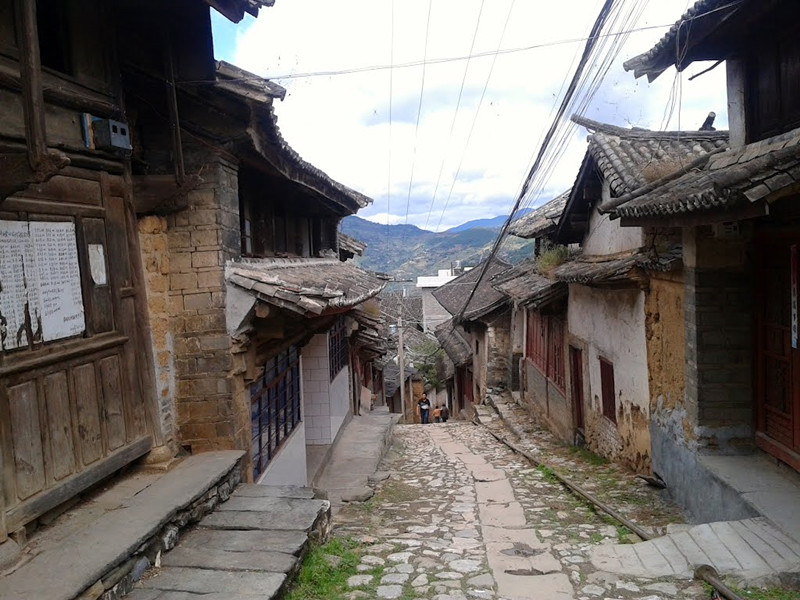
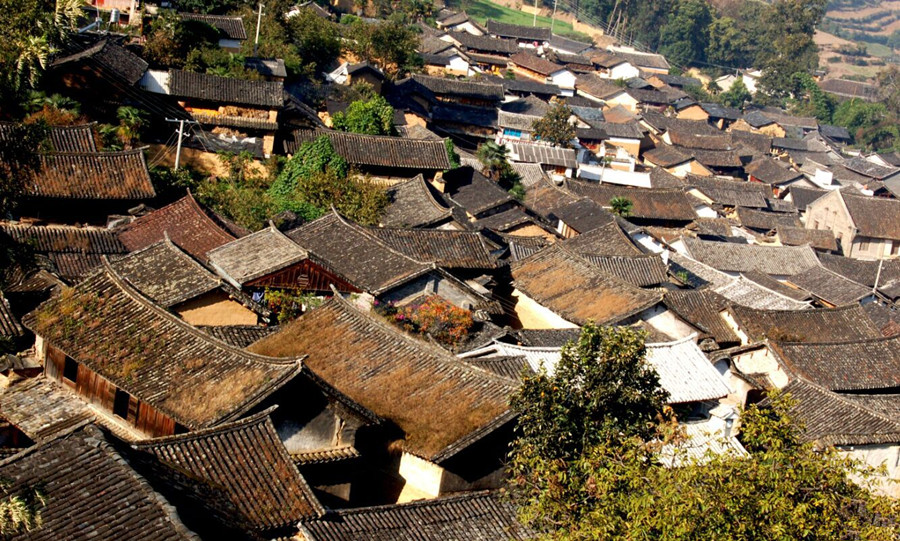
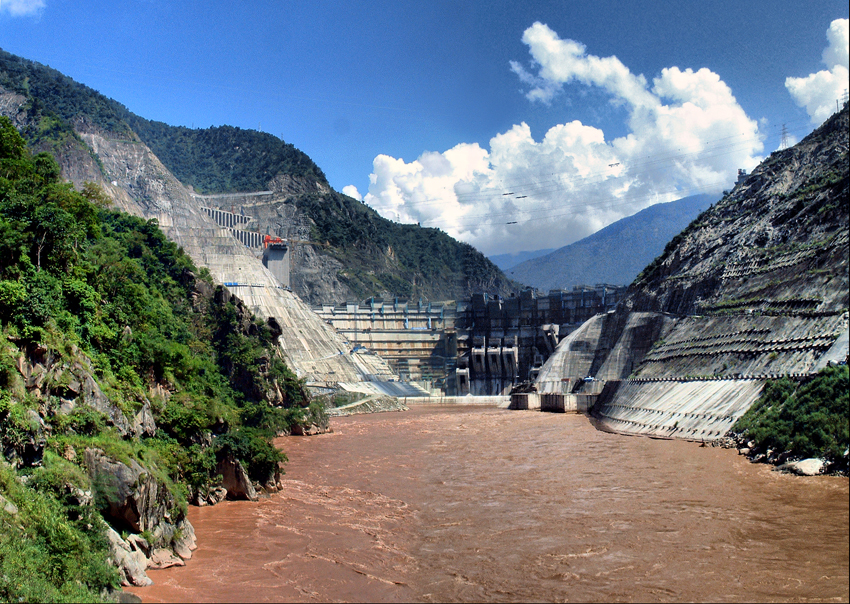
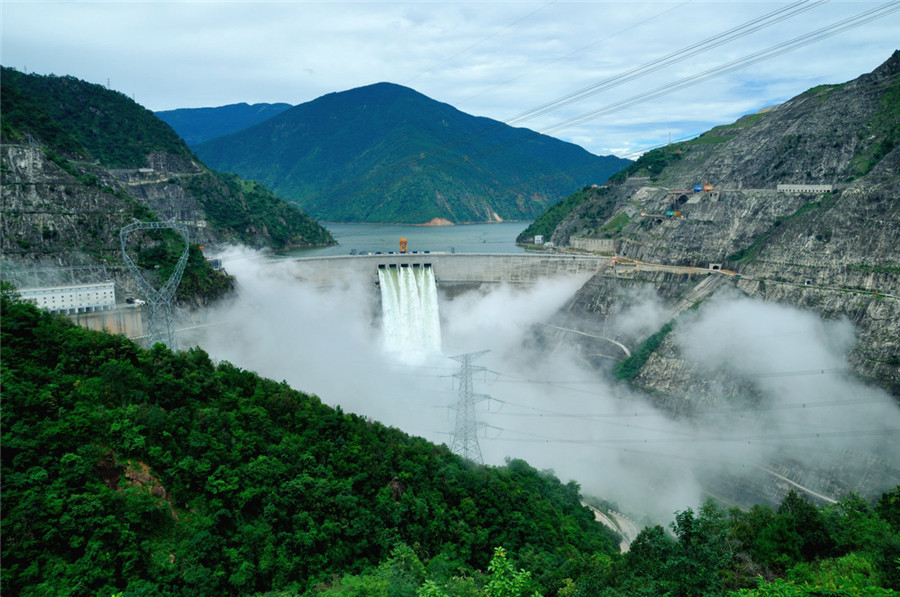
Scenic Spots: The combination of human landscape and natural landscape. Such as, Lushi Ancient Town(鲁史古镇), Xiaowan Dam(小湾电站), Fengqing Confucian Temple(凤庆文庙), Gumo village(古墨村), Fengshan Martyr Cemetery(凤山烈士墓园) and the Stone Temple(石洞寺).
Ethnic Culture: The earliest people living in Fengqing county are called pu people(濮人), the ancestors of the Bulang(布朗族) and Wa(佤族), followed by Dai(傣族), Yi(彝族), Bai(白族), Hui(回族), Miao(苗族), Lisu(傈僳族), Lahu(拉祜族), etc. entering to settle. In Ming and Qing dynasties, a great number of Han people settled in Fengqing county. As of July 2012, the county had 24 ethnic groups and a population of 422,800.
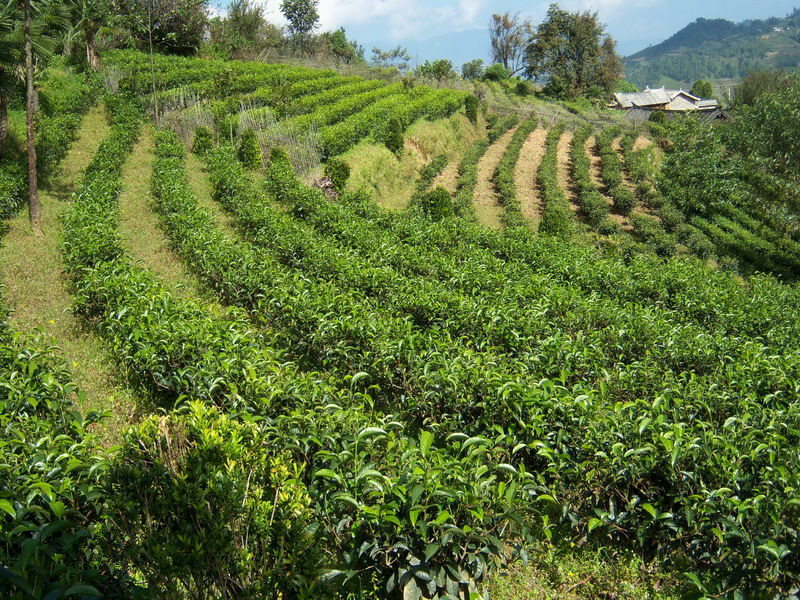
Special Local Products: Tea( ancient tea tree in Jinxiu village(锦绣山村) , Fengqing county) and walnut.
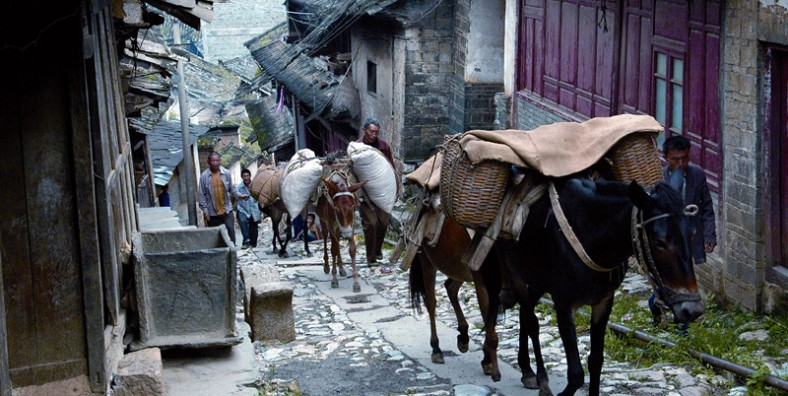
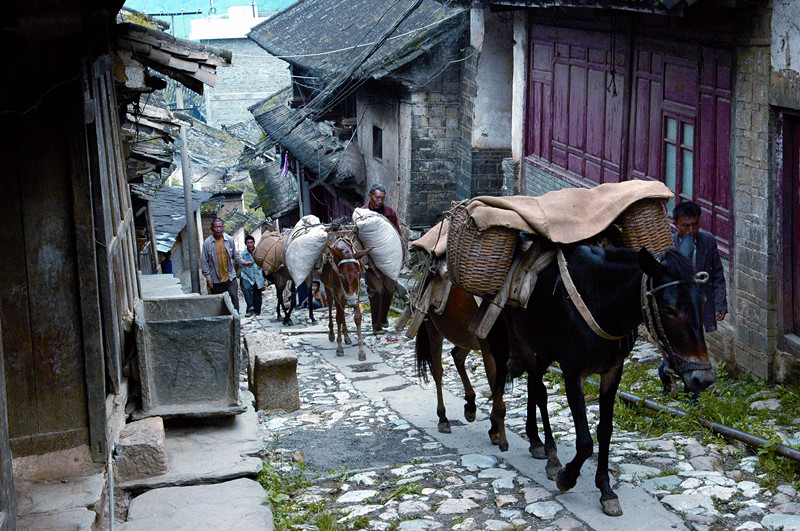
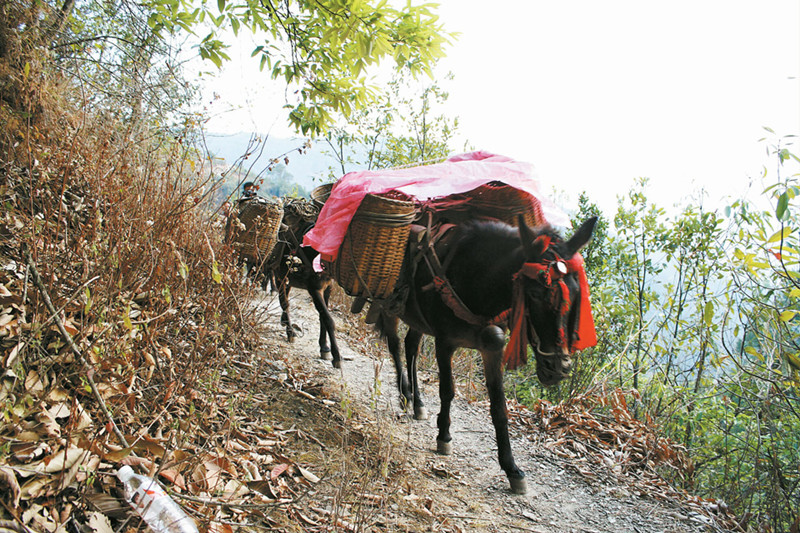
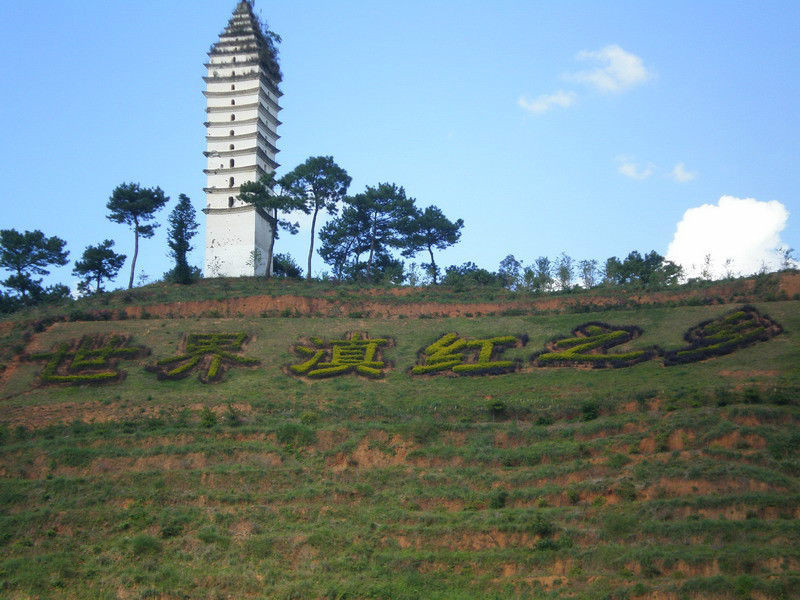
Tea Culture: Fengqing is the hometown of Dianhong Tea(Yunnan black tea), is the path of Ancient Tea-horse Road(茶马古道). It has a long history of tea culture.
Other Destinations in Fengqing County
Fengqing County Attractions
Tourist Attractions in Fengqing County 1. Xiaowan Dam Tourist Area of Mekong River in Fengqing County, Lincang. The Xiaowan Dam (simplified Chinese: 小湾坝) is an arch dam on the Lancang (Mekong) River in Fengqing County, Yunnan Province, southwest China. The primary purpose of the dam is hydroelectric power generation and it supports a 4,200 MW power station. 2. Fengshan Martyrs Cemetery in Yunxian County, Lincang The Martyrs Cemetery is on the Fengshan mountain. Sixteen martyrs tombs and one square martyrs memorial tower have been [...]
More Fengqing County Attractions >>


Fengqing County Tours
Fengqing is famous for its Dianhong Black Tea. Fengqing county has a long history of tea planting and tea making. There are ancient tea trees with 3,200-year-old history in Xiangzhuqing(香竹箐), Xiaowan town(小湾镇), Fengqing county. And there are over 20,000 mu of ancient tea garden and over 30,000 mu of wild ancient tea trees, which is cultivated before the republic of China. Moreover, like Yunnan other areas, there are many ethnic groups in Fengqing. More than 20 ethnic groups live here. Therefore, [...]


Climate & When to Go
 Climate & When to Go
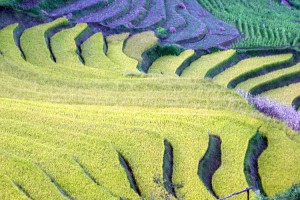
 The climate in Fengqing is mild, and generally warm and temperate. In summer, there is much more rainfall in Fengqing than in winter. The annual average temperature of Fengqing is 16.5 ℃, precipitation here averages 1051 mm. Fengqing enjoys subtropical monsoon climate, rain and heat over the same period, with characteristic dry and wet season. It offers a mild climate, abundant sunshine, enough rainfall, wet and dry seasons. It famous for "how high the mountain is, how deep the water [...]
More Fengqing County Climate & When to Go >>
Transportation
 Transportation
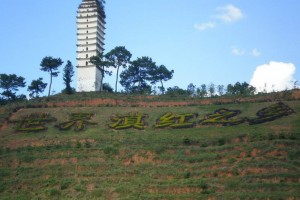
 Fengqing as "North Gate" of Lingcang, its external transportation has exit of east, west, south and north four directions, which plays a role of bridge and bond between Lincang and central and northwest Yunnan. Travel 39 kilometers toward the southeast to Yun County, and then it can be connected to Dali, Chuxiong and kunming by national highway 214 to the northeast. The southwest exit of fengqing can reach the sino-myanmar border through Guodazhai-Yongde-Zhenkang county. you can reach Nanjian from the east [...]
More Fengqing County Transportation >>
Festivals and Activities
Fengqing county, Yunnan province, is known as a place of tea produce, is a major tea producing county. It produces pure big-leaf tea. Fengqing county is the origin of Dianhong black tea, is the hometown of Dian Hong. The king of tea, which is in Jinxiu village(锦绣山村), Fengqing county, has been 3200 years of history. Tea Festival(茶叶节) In order to strengthen the communication of tea culture and the exchange of economy and trade, Fengqing county holds tea festival every year in May, [...]
More Fengqing County Festivals and Activities >>


Travel Tips
Here are some things you should notice if you have a plan to Fengqing. Useful Numbers Consumer complaint:12315 Tourist Complaint: 4215629 Telephone Number Inquiry: 114 Weather Forecast: 121 Taxi number :4214444 Fire: 119 Police: 110 Ambulance: 120 Where is Fengqing? Fengqing county, also known as Pumen(蒲门), is a county under the administration of Lincang city in Yunnan province. It is located in the southwest of Yunnan province. It is a poverty-stricken county where many ethnic groups inhabit. What to Prepare? The weather in Fengqing is rainy and hot in Summer and less rainfall [...]
More Fengqing County Travel Tips >>
Useful Maps
Fengqing county is one of the counties under the administration of Lincang city, Yunnan province. The county is located in the northwest of Lincang city, 580 kilometers away from Kunming, the provincial capital of Yunnan province, 123 kilometers away from Lincang. This part provides some traffic lines and maps which can help you to get to Fengqing. [...]
More Fengqing County Useful Maps >>
Fengqing County Accommodation
Fengqing county is a small and kind of remote, but ancient and pretty place. It is not well-known, but the environment is good and the air is fresh. It is still waiting to be developed, but the accommodation is convenient there. You can find a place to check in easily because Fengqing is a very small county. 1. Dianhong Hotel (滇红大酒店) Address: One Road of Fengshan Town (凤城一号路) Tel: 0883-4691777 [...]
More Fengqing County Accommodation >>
Other Hot Destinations in China
- Babao Town
- Baisha Ancient Town
- Baishuitai
- Baoshan Stone Town
- Bingzhongluo
- Dali Ancient Town
- Dashanbao
- Dongchuan Red Land
- Dulongjiang
- Feilaisi
- Haba Snow Mountain
- Heshun Ancient Town
- Honghe Hani Rice Terraces
- Jade Dragon Snow Mountain
- Jingmai
- Lashihai Lake
- Lijiang Ancient Town
- Lugu Lake
- Meili Snow Mountain
- Puzhehei
- Shuanglang Town
- Shuhe Ancient Town
- Stone Forest
- Three Parallel Rivers
- Tiger Leaping Gorge
- Yuanyang Hani Rice Terraces